From CCAs to creator booths: How student clubs are joining Singapore’s ACG scene
Student clubs in Singapore are evolving from traditional Japanese culture and visual arts groups into active participants in the Anime, Comics and Games (ACG) scene by hosting artist booths and cosplay.
Intelligence analysis by Llama
Student clubs in Singapore are expanding their activities to include cosplay, creator workshops, and performances, boosting membership and engagement in the ACG scene.
Student clubs in Singapore are now doing more than just traditional Japanese culture and visual arts. They're hosting artist booths, doing cosplay, and even performing at big anime and games conventions. This is helping them grow and become more creative, and it's also giving them a chance to show off their talents and maybe even get a job in the ACG industry someday.
Analysis
A New Era for Student Clubs in Singapore's ACG Scene
The traditional student clubs in Singapore, focusing on visual arts and Japanese culture, are undergoing a significant transformation. They are evolving beyond their traditional activities to embrace the growing Anime, Comics and Games (ACG) creator community. This shift is not only a reflection of the changing interests of students but also a testament to the vibrant and diverse nature of the ACG scene in Singapore.
Clubs like Singapore Polytechnic Japanese Cultural Club and NTU Visual Arts Society have expanded their activities to include cosplay, creator workshops, and performances. These new initiatives have not only boosted membership and engagement but also provided a platform for student creatives to showcase their talents. The ACG conventions now serve as a platform for student artists to display both fan art and original works, fostering community growth and potential future career opportunities in related fields.
The Rise of Student Artists in the ACG Scene
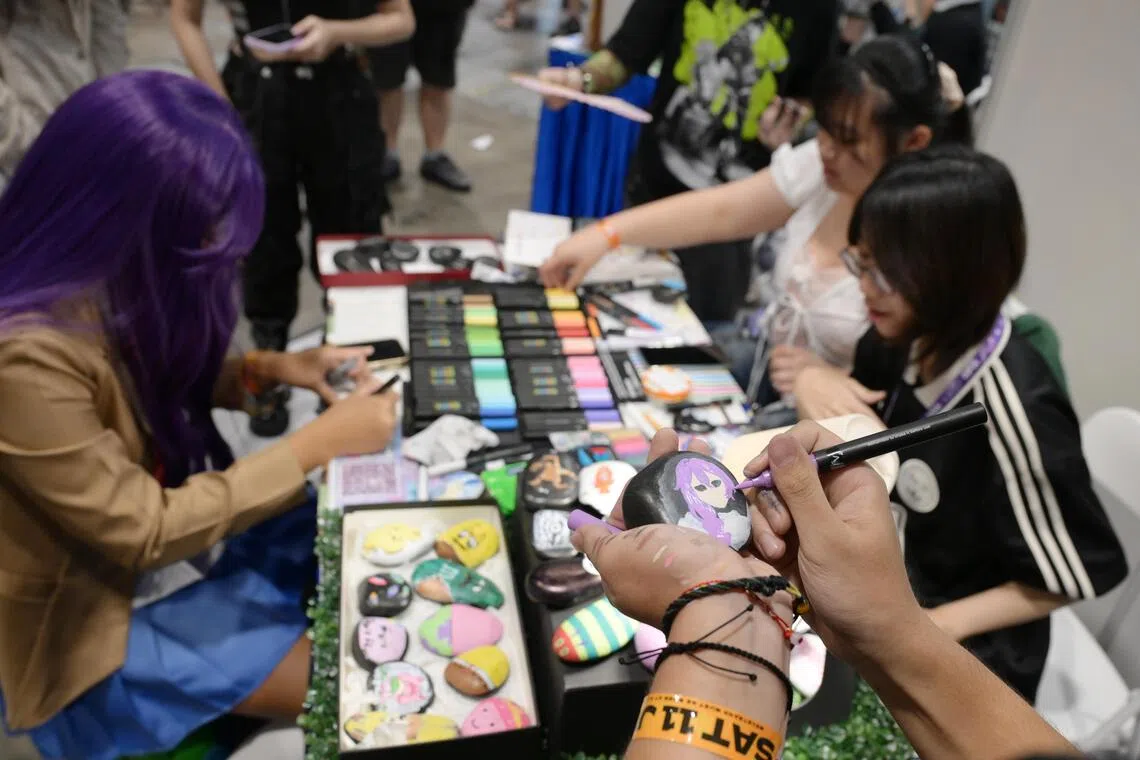
The student clubs' involvement in the ACG scene has led to a surge in creativity and innovation. Student artists are now taking center stage, showcasing their talents and skills to a wider audience. The Creators Super Fest Singapore 2026, held on July 11 and 12 at the Suntec Singapore Convention & Exhibition Centre, was a prime example of this. Student artists adjusted acrylic keychains hanging from display racks as visitors browsed stacks of colourful prints, stickers, and handmade merchandise. Conversations about favourite anime and games mixed with bursts of Japanese music drifted across the convention floor as students experienced running artist booths at a major anime, comics, and games (ACG) convention for the first time.
The Future of Student Clubs in Singapore's ACG Scene
As student clubs continue to evolve and grow in the ACG scene, it is clear that their involvement will have a lasting impact on the community. The potential for future career opportunities in related fields is vast, and the growth of student artists will undoubtedly contribute to the development of the ACG creator community in Singapore. With their creativity, innovation, and passion, student clubs are poised to take the ACG scene by storm, and their impact will be felt for years to come.
Key points
- Student clubs in Singapore are evolving from traditional Japanese culture and visual arts groups into active participants in the ACG scene.
- Clubs like Singapore Polytechnic Japanese Cultural Club and NTU Visual Arts Society have expanded their activities to include cosplay, creator workshops, and performances.
- The ACG conventions now serve as platforms for student artists to showcase both fan art and original works, fostering community growth and potential future career opportunities in related fields.
If this development continues, it could lead to more student artists showcasing their talents and skills, potentially leading to new career opportunities in the ACG industry. This could also contribute to the growth and development of the ACG creator community in Singapore.
However, there is a risk that the student clubs may struggle to maintain their involvement in the ACG scene due to lack of resources or support. This could lead to a decline in creativity and innovation, and potentially harm the growth of the ACG creator community in Singapore.