From high heels to 'Zara death pants': how fashion falls foul of women's safety
Zara's viral 'death pants' are the latest in a line of fashion items causing injuries, raising consumer-protection and product-liability questions for major high-street retailers.
Intelligence analysis by Llama
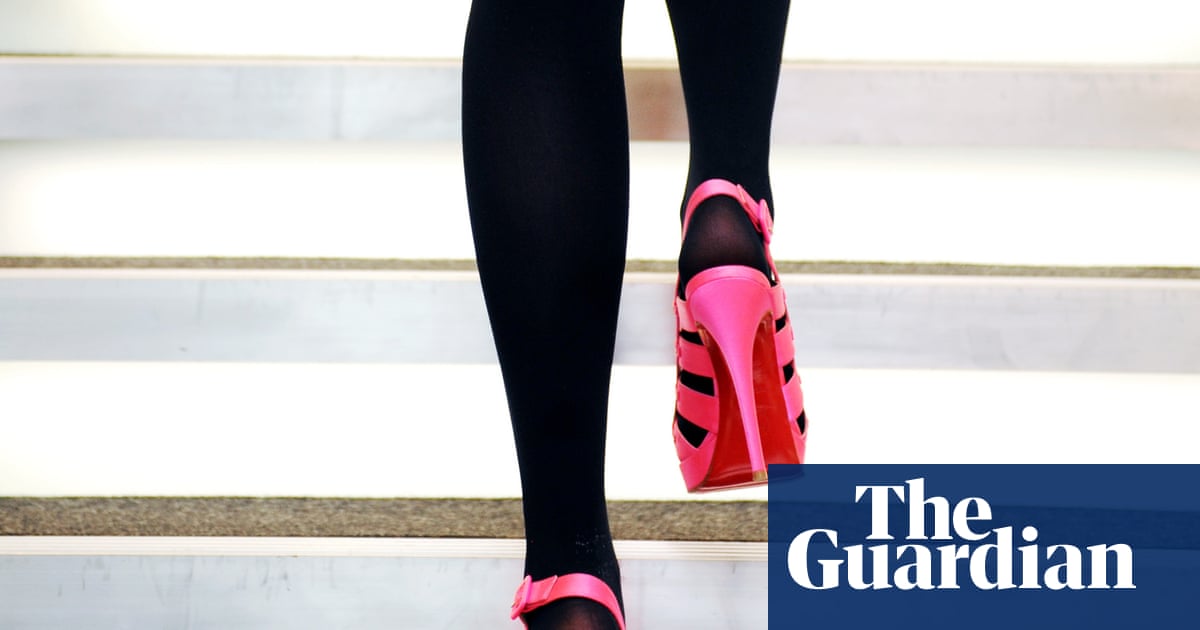
Zara's £25.99 wide-legged trousers have gone viral as 'death pants' after users posted videos of trips and fractures. Experts blame systemic sizing that uses tall fit models. Fashion history is littered with similar hazards, from hobble skirts to fatal scarves.
Some clothes are made for very tall people, so when shorter people wear them the fabric pools on the ground and every step becomes a trip. Many women have broken bones or torn ligaments falling over their own trousers. Fashion has had dangerous styles for over 100 years, from tight skirts to long scarves that can kill, yet stores keep selling them.
Analysis
The viral trousers and the fit-model blind spot
The £25.99 Zara wide-leg trousers have become a social-media phenomenon under the moniker "death pants" after wearers posted videos of themselves face-planting on pavements, fracturing knees, and showing bloodied elbows and broken fingernails. The viral moment has exposed a structural design issue: most high-street brands use a "fit model" averaging around 178cm (5ft 10in), well above the UK national average for women of 162.5cm (5ft 4in). To save costs, some brands use a stationary mannequin rather than a live fit model, widening the gap between how a garment is designed and how it performs on the average body. The result is trousers with an in-seam that pools on the floor for many customers, turning each step into a potential trip hazard. As tailor Ruby Slevin puts it, asking a 5ft 5in wearer to wear the same trouser width as a 5ft 10in wearer "is like wearing a pair of shoes that are the wrong size. It's not safe."
A long history of hazardous hemlines
The Zara incident is part of a long lineage of fashion items that have caused harm. Fashion historian Virginia Hill traces wide-legged trousers back to the 1920s women's house pyjamas, but the catalogue of dangerous style is much broader. Paul Poiret's 1910 hobble skirt was so tight at the ankle that a contemporary newspaper headline complained that "locomotion is seriously impeded and speed is impossible." Isadora Duncan died in 1927 when her long silk scarf caught in the wheel of an open-top car. More recently, model Abbey Lee Kershaw tore a ligament in 2009 when she fell on the Rodarte catwalk in high heels, and Lindsey Wixson revealed in 2017 that repeated catwalk injuries, including a linear tear on her big toe, forced her to take a year off work. The article notes that the most common fall injury is a fractured wrist from instinctively putting hands out to break impact, and recovery can stretch from six weeks to nine months or more.
Retail liability meets 'buyer beware'
For finance and consumer-watchers, the question is whether viral product-safety incidents translate into material risk for the retailers involved. The article frames the issue under the ancient "buyer beware" principle of English law, suggesting the legal burden still rests primarily with the consumer. Yet the viral backlash has not dented sales so far: Zara's wide-leg trousers remain a bestseller, and John Lewis reports that searches for the style are up 61% year-on-year, with linen versions up 225%. M&S, Mango, Next, and others are also pushing the look, mirroring catwalk shows from Victoria Beckham and Stella McCartney. For publicly listed retailers carrying the wide-leg category, the bigger risk is reputational and regulatory rather than immediate. A single viral product can attract consumer-protection scrutiny, design-liability claims, or pressure to overhaul sizing standards. The piece implicitly raises whether current "fit model" economics, built around tall, standard-sized mannequins, represents a hidden liability the industry has so far been able to absorb.
Key points
- Zara's £25.99 wide-leg trousers have gone viral as 'death pants' after wearers posted videos of trips, fractures, and other injuries.
- Most high-street brands use fit models averaging 178cm, well above the UK average for women of 162.5cm, creating a structural fit gap.
- Physiotherapist Lucy McDonald warns that high heels and long trousers are the most common culprits, with injuries taking six weeks to nine months to heal.
- Fashion historian Virginia Hill traces dangerous fashion back to Paul Poiret's 1910 hobble skirt and Isadora Duncan's 1927 fatal scarf accident.
- The wide-leg trend remains strong commercially: John Lewis reports searches up 61% year-on-year, with linen versions up 225%.
The viral attention could push high-street retailers to invest in more inclusive sizing, including a wider range of fit models that reflect average customer heights. Brands that move first to address trip hazards and length issues may capture goodwill and reduce the risk of consumer-protection scrutiny. Tailor Ruby Slevin suggests a simple workaround, taking trousers to a local drycleaner for adjustment, which could become a growing service category as consumers seek safety and fit.
The 'buyer beware' principle under English law still puts the legal burden on consumers, leaving retailers with limited immediate financial exposure. But the systemic use of tall fit models means each new style carries a hidden injury risk that becomes visible only after purchase. If viral injury videos accumulate, retailers could face consumer-protection scrutiny, returns pressure, and reputational damage that eventually shows up in same-store sales.

