From Okara to Y Combinator: The Full Story of the Pakistani Founders Who Got Rejected, Came Back, and Built a Company Backed by Kleiner Perkins
A Pakistani couple turned a small shoe business into Markhor, survived a YC rejection, then became the first Pakistan-based Pakistani company accepted by Y Combinator.
Intelligence analysis by GPT-5.4 Mini
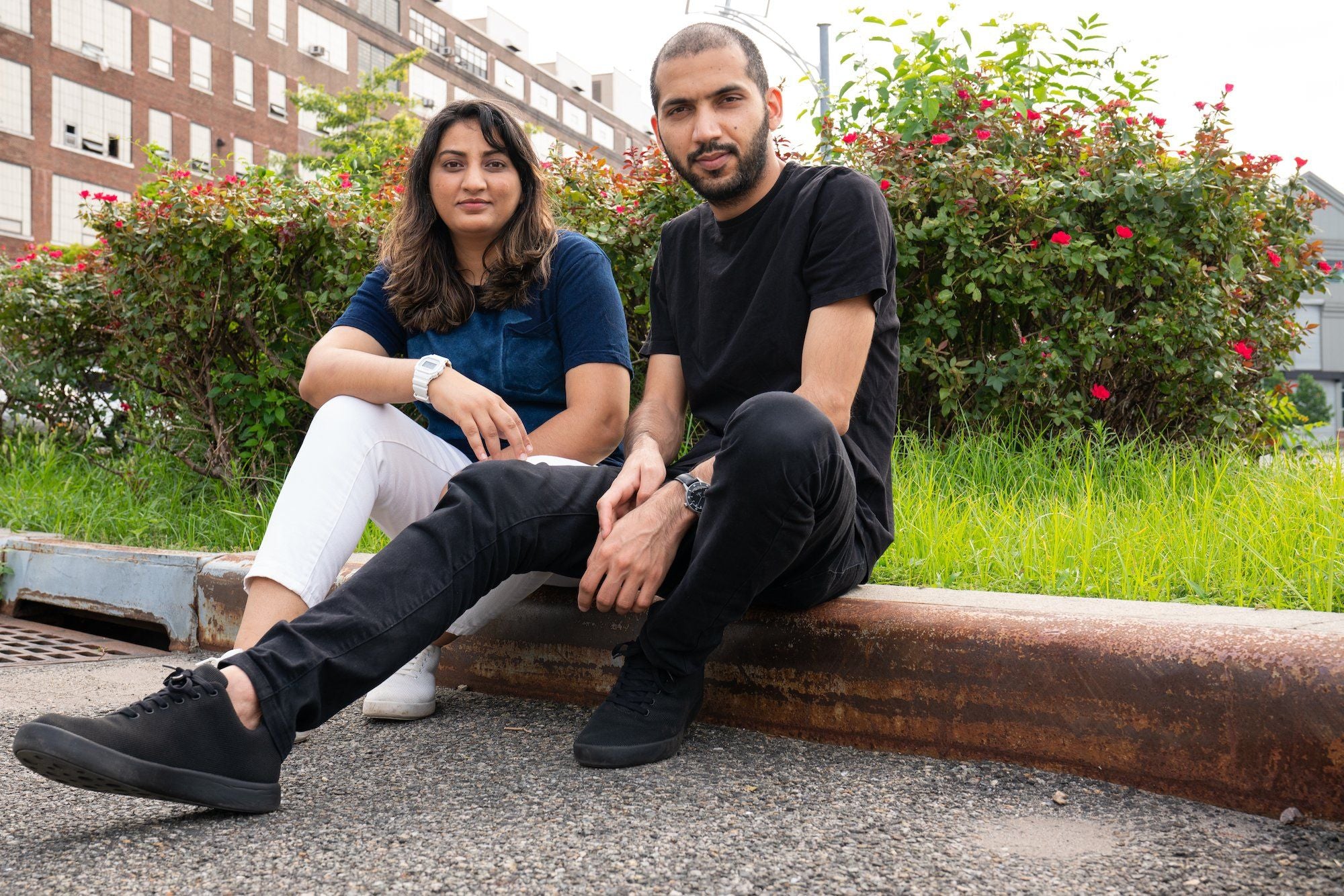
The story follows Waqas Ali and Sidra Qasim from an idea formed in Okara to Markhor's YC acceptance, showing a long path of rejection, small-scale sales, viral Kickstarter success, and later backing from top investors.
A founder from a small Pakistani town started a shoe business with his partner. After being told no by YC once, they kept going, sold shoes one by one, then won big on Kickstarter and later got into YC like finally getting into a very hard school.
Analysis
From Okara to a startup
The article traces Markhor back to Okara, where Waqas Ali, then a college student interested in technology and social media, met a shoemaker at a local panchayat. That meeting helped set the business in motion. Waqas and Sidra Qasim, who met online, first tried to partner directly with leather craftsmen, but when that did not work, they pivoted to an online shoe business that would have the craftsmen produce the shoes.
They applied to a Google startup program in Pakistan, got funding, and moved back to Lahore. The company started as Hometown before later becoming Markhor. For its first year, it sold only about 50 pairs a month, which the piece presents as the unglamorous part of the journey that is usually left out.
The Kickstarter break
The founders then tried crowdfunding, setting a $15,000 Kickstarter goal. The campaign reached that target within 22 hours and went on to raise more than $107,000. The article says this was Pakistan's most successful Kickstarter campaign at the time, with 700 orders delivered across 35 countries in summer 2015. It also says they had earlier connections to e-commerce founders in the United States and initial angel investors who helped them get started.
YC, rejection, and return
A key point in the story is that this was not Markhor's first YC application. Waqas had applied in 2012 and been rejected. Three years later, the company reapplied after incubating at Lahore's Plan9, getting advice from Zappos, and incorporating in the US. The article says Markhor became the first Pakistani company based in Pakistan to get into Y Combinator.
What came next
Four years after YC, the company reportedly raised $8.1 million from Kleiner Perkins, Reddit co-founder Alexis Ohanian, and LinkedIn CEO Jeff Weiner. The article frames that raise as the payoff for a long arc that began with a rejected application, a small-town partnership, and years of persistence.
Key points
- Waqas Ali and Sidra Qasim started Markhor after a meeting with a shoemaker in Okara and a pivot to online shoe sales.
- Their first year was slow, with sales of about 50 pairs a month.
- A Kickstarter campaign aimed at $15,000 passed that goal in 22 hours and raised more than $107,000.
- The article says Markhor became the first Pakistani company based in Pakistan to enter Y Combinator.
- The company later raised $8.1 million from Kleiner Perkins, Alexis Ohanian, and Jeff Weiner.
If the Markhor story is followed as a model, more Pakistani founders may try global markets earlier and keep going after rejection. The article shows that local skills, online selling, and international support can combine into a company that attracts major investors.
The path in the article also shows how long and uncertain startup building can be, with years of slow sales before a breakout. It suggests that without strong networks, funding, or persistence, many similar founders could stall before reaching YC or large-scale investment.