From the stage to the future: Where are Startup Battlefield’s alumni now?
TechCrunch looks at what recent Startup Battlefield alumni built after the stage, from acquisitions to space-grade adhesives and AI hiring tools.
Intelligence analysis by GPT-5.4 Mini

The piece argues that Startup Battlefield is more than a pitch contest: it is a durable launchpad for founders. It pairs aggregate outcomes, like funding and exits, with short updates on alumni who have kept building after their Battlefield appearances.
Startup Battlefield is like a big school talent show for new companies. A lot of famous tech companies once stood on that stage before they became well known.
This article checks in on some newer winners and runners-up to show that the show can help a startup get noticed, raise money, or even get bought by a bigger company.
It is a bit like getting picked early in a game: the moment does not finish the story, but it can give a team a strong start and make more people pay attention.
Analysis
Startup Battlefield as a signal
TechCrunch frames Startup Battlefield as a recurring proving ground where founders get early attention from investors, customers, and the wider tech press. The article says more than 1,700 companies have competed on the stage, and that alumni together have raised $32 billion and produced more than 250 exits. It uses those numbers to argue that the competition is not just theater; it is part of the startup pipeline.
What alumni are doing now
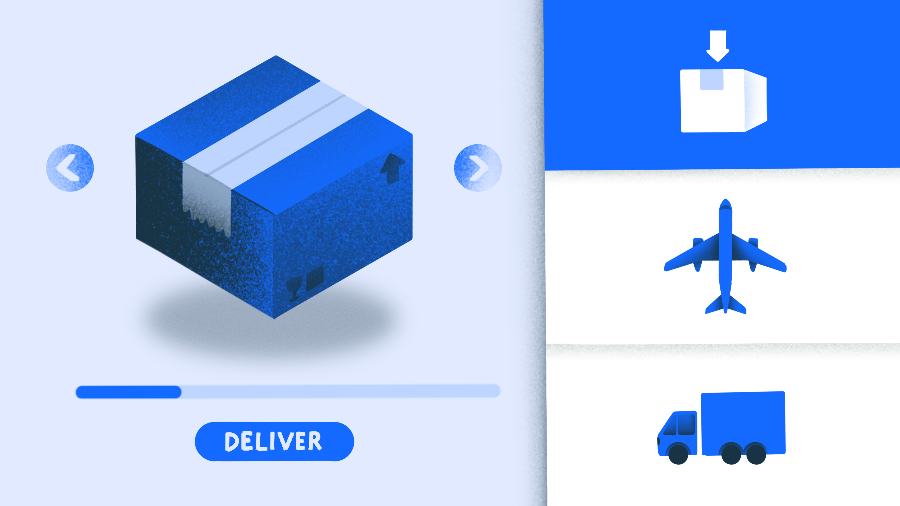
The story then spotlights a small set of recent alumni. Kevin Damoa, founder of Glīd and the 2025 winner, is described as coming from military logistics, which the article presents as useful preparation for building under pressure. Capella Kerst of geCKo Materials, a 2024 runner-up, is building gecko-inspired adhesive tech with uses that range from manufacturing to the International Space Station. Deon Nicholas of Forethought AI is highlighted as an example of a founder who argued for AI in customer support before it was widely accepted; Forethought was later acquired by Zendesk.
The broader alumni network
TechCrunch also points to other Battlefield alumni such as Narada, Mappa, Nowadays, Rivio, Alltroo, Luna, and Untapped Solutions, using them to show the range of paths after the stage. Some founders focus on fundraising lessons, some on AI-assisted hiring, and others on serving niche or underserved markets. The article closes by reinforcing that the stage matters because it creates a public moment where founders can test their ideas in front of people who are paying attention.
Key points
- TechCrunch positions Startup Battlefield as a launchpad, not just a pitch contest.
- The article says Battlefield alumni have raised $32 billion and produced more than 250 exits.
- Recent alumni include Glīd, geCKo Materials, and Forethought AI.
- The story emphasizes that visibility on stage can become a signal to investors and acquirers.
- TechCrunch also notes that the 2026 application deadline was pushed to June 8.
If Battlefield keeps surfacing strong founders early, more startups may get the attention they need to raise money, find customers, and grow faster. The alumni examples in the article suggest the stage can help convert technical ideas into real businesses and exits.
The article also implies that the stage is only a starting point, not a guarantee. Founders still have to turn attention into product-market fit, durable revenue, and execution, and the roundup itself shows how varied and uncertain those paths can be.