From the Strait of Hormuz to Bab al-Mandab; Are the Houthis Opening a New Front for Iran?
Houthi rebels have declared a naval blockade against Saudi-linked ships in the Red Sea, escalating tensions and raising concerns about global energy supply security, particularly for Saudi oil exports from Yanbu port.
Intelligence analysis by Gemini 2.5 Flash

Following increased Saudi oil exports via the Red Sea to bypass the Strait of Hormuz, Houthi rebels have launched attacks on shipping in the Bab al-Mandab strait, threatening to disrupt a vital global oil transit route and potentially opening a new strategic front linked to Iran.
Imagine a very important shortcut for big ships carrying oil, like a busy road. Some rebels, called Houthis, are now saying they will stop ships connected to a country called Saudi Arabia on another part of this shortcut. This makes it scary for ships to use that path, which could make oil more expensive for everyone, and it's like these rebels are helping a bigger country, Iran, cause trouble.
Analysis
Houthi's Expanding Maritime Threat
The Houthi rebels in Yemen have significantly escalated their maritime activities, declaring a "naval blockade" against Saudi-affiliated vessels in the Red Sea and Bab al-Mandab strait. This move follows a period where Saudi Arabia had increasingly relied on its Red Sea ports, particularly Yanbu, to export oil, thereby reducing its dependence on the Strait of Hormuz. The Houthis have demonstrated a growing capacity for naval disruption, employing a range of tactics including missiles, drones, sea mines, and explosive boats. Their past actions, such as targeting over a hundred commercial ships during the Gaza conflict, underscore their ability to create substantial insecurity, even if a full physical blockade is not achieved.
The strategic intent behind these actions appears to be to raise the costs and risks for maritime trade linked to Saudi Arabia, rather than necessarily closing the Bab al-Mandab entirely. As noted by Farea al-Muslimi of Chatham House, even symbolic attacks can instill enough fear among insurance companies, shipping firms, and oil suppliers to significantly disrupt traffic. This strategy aims to force shipping companies to reroute vessels, leading to increased transit times and higher operational costs, which ultimately impacts global supply chains and energy prices. The Houthis' control over a significant portion of Yemen's western Red Sea coastline provides them with a strategic advantage for launching such operations.
Saudi Arabia's Vulnerable Alternative Route
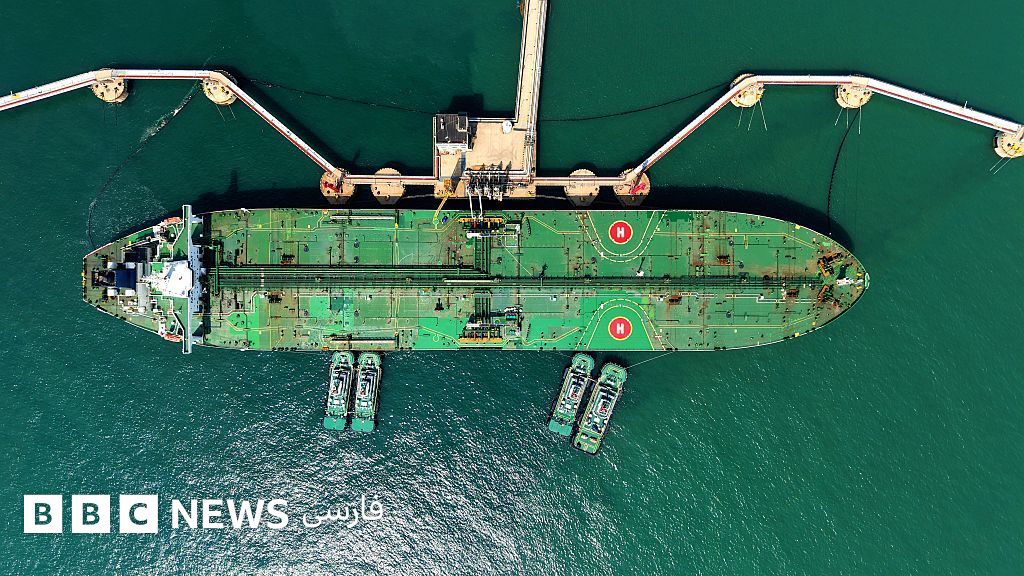
Saudi Arabia's decision to boost oil exports from its Red Sea port of Yanbu was a strategic response to the vulnerabilities of the Strait of Hormuz, a critical chokepoint often subject to regional tensions. The East-West pipeline, built years ago, facilitates the transfer of oil from the kingdom's eastern fields to Yanbu, allowing for an alternative export route. While previously exporting around 770,000 barrels per day from Yanbu, this figure has now surged to approximately four million barrels daily. This shift highlights the increasing importance of the Red Sea route for Riyadh's energy security and global market access.
However, this alternative route is now under direct threat from the Houthis. While oil tankers heading to Europe from Yanbu can bypass Bab al-Mandab by using the Suez Canal or the SUMED pipeline, over three million barrels per day destined for Asia must still traverse the Bab al-Mandab strait. This makes a significant portion of Saudi Arabia's Red Sea exports vulnerable to Houthi attacks. The distance of Yanbu from Houthi-controlled areas (around 1300 km) does not entirely negate the threat, as the group has previously demonstrated the capability to strike targets at similar ranges, though sustained disruption of a major port remains a higher bar.
Broader Regional Implications
The Houthi's actions in the Red Sea carry significant broader implications for regional stability and global energy markets. By targeting a vital maritime chokepoint, the Houthis are effectively opening a new front in the ongoing regional power struggles, potentially with strategic backing from Iran. This move could be interpreted as an attempt to exert pressure on Saudi Arabia and its allies, diverting attention and resources from other regional conflicts. The increased risk to shipping in Bab al-Mandab, which handles 10-12% of global seaborne oil trade, could lead to a substantial increase in global oil prices and insurance premiums, impacting economies worldwide.
Furthermore, the escalation risks drawing in other regional and international actors. Saudi Arabia has already responded with airstrikes against Houthi positions, indicating a willingness to defend its interests. A prolonged period of instability in the Red Sea could necessitate increased naval presence from international powers to protect commercial shipping, further militarizing an already volatile region. The situation underscores the complex interplay of proxy conflicts, energy security, and geopolitical rivalries in the Middle East, with Iran's potential strategic influence over the Houthis adding another layer of complexity to the crisis.
Key points
- Houthis declared a naval blockade targeting Saudi-linked ships in the Red Sea and Bab al-Mandab.
- Saudi Arabia increased oil exports from Yanbu port via the Red Sea to bypass the Strait of Hormuz, making this route critical.
- Houthis possess capabilities like missiles, drones, and sea mines, demonstrated in previous Red Sea attacks.
- Disruption in Bab al-Mandab, even if not a full closure, can significantly increase shipping costs and insurance premiums.
- A substantial portion of Saudi oil exports to Asia relies on the Bab al-Mandab strait.
If diplomatic efforts succeed in de-escalating the Houthi threats, shipping through Bab al-Mandab could normalize, preventing significant disruptions to global oil supplies and stabilizing insurance costs for maritime trade.
Continued Houthi attacks could lead to a sustained closure or severe disruption of the Bab al-Mandab strait, forcing widespread rerouting of ships, significantly increasing global oil prices, and potentially drawing regional powers into a broader conflict.
Market signals
- OIL Houthi threats to shipping in Bab al-Mandab increase supply-route risk for global oil, potentially driving prices higher.
AI-generated analysis of potential market relevance. Not financial advice.