From the strait of Hormuz to the North Sea, a global maritime war rages around us – and more than the price of oil is at stake
The Guardian's Simon Tisdall argues that the US-Iran standoff in the Strait of Hormuz is unraveling centuries of maritime law, with copycat blockades, toll proposals, and great-power naval brinkmanship now spanning the Hormuz, Malacca, South China Sea, and North Sea.
Intelligence analysis by Llama
A widening global maritime war is destabilizing the rules-based order. From Hormuz to the North Sea, copycat blockades, proposed transit tolls, and great-power naval posturing are reshaping sea-borne trade and threatening far more than oil prices.
Imagine the world's oceans as a giant highway that everyone shares for free. For a long time, big countries followed rules that let ships pass safely. Now some countries are setting up toll booths, blocking roads, and pointing weapons at each other on that highway. That makes shipping things more expensive and could make gas, food, and toys cost more for everyone.
Analysis
"Mare Liberum" Erodes
The principle of mare liberum, the free sea articulated by the 17th-century Dutch jurist Hugo Grotius, has long underwritten global commerce. The Guardian's Simon Tisdall argues that foundation is now crumbling, starting in the Strait of Hormuz. Although the United States has never ratified the 1982 UN convention on the law of the sea, Washington has historically upheld freedom of navigation. Secretary of State Marco Rubio declared in June that "no country is allowed to charge tolls or fees on an international waterway." Yet, according to Tisdall, Donald Trump has since floated the same practice himself, and last month's US-Iran memorandum of understanding explicitly accepts Iran's right, with Oman, to monetize transit through the strait. The two-faced stance, the author writes, reflects an accelerating breakdown of the legal order that has governed the world's oceans.
Copycat Blockades and Toll Drift
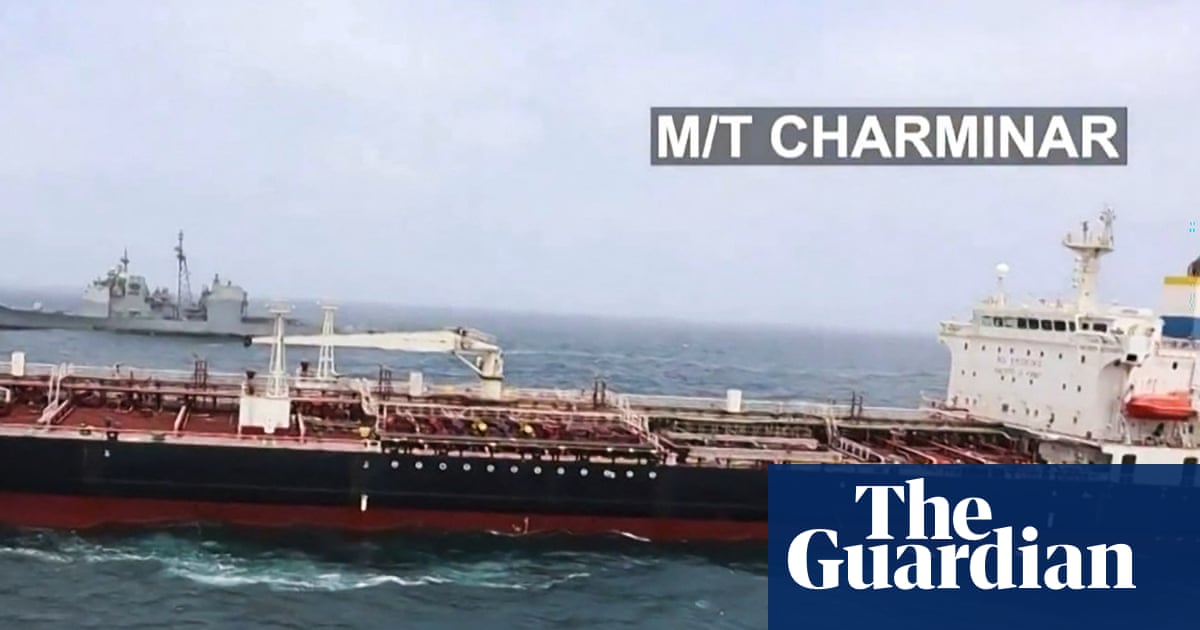
The Hormuz precedent is already being emulated. Tisdall reports that Iran-aligned Houthi militias have begun a copycat blockade of the Bab al-Mandab strait at the mouth of the Red Sea, with two oil tankers struck this week, spooking energy markets. Indonesia is debating tolls in the Strait of Malacca, through which 22% of global maritime shipping passes. The author poses a pointed question: might Turkey charge for passage through the Bosphorus, or Spain through the Strait of Gibraltar? If even a handful of chokepoints begin extracting rents, the implications for trade flows, insurance premiums, and consumer prices would be substantial. About 80% of goods traded worldwide by volume go by sea, and seaborne trade has historically been a powerful deflationary force.
A Multi-Theater Naval Confrontation
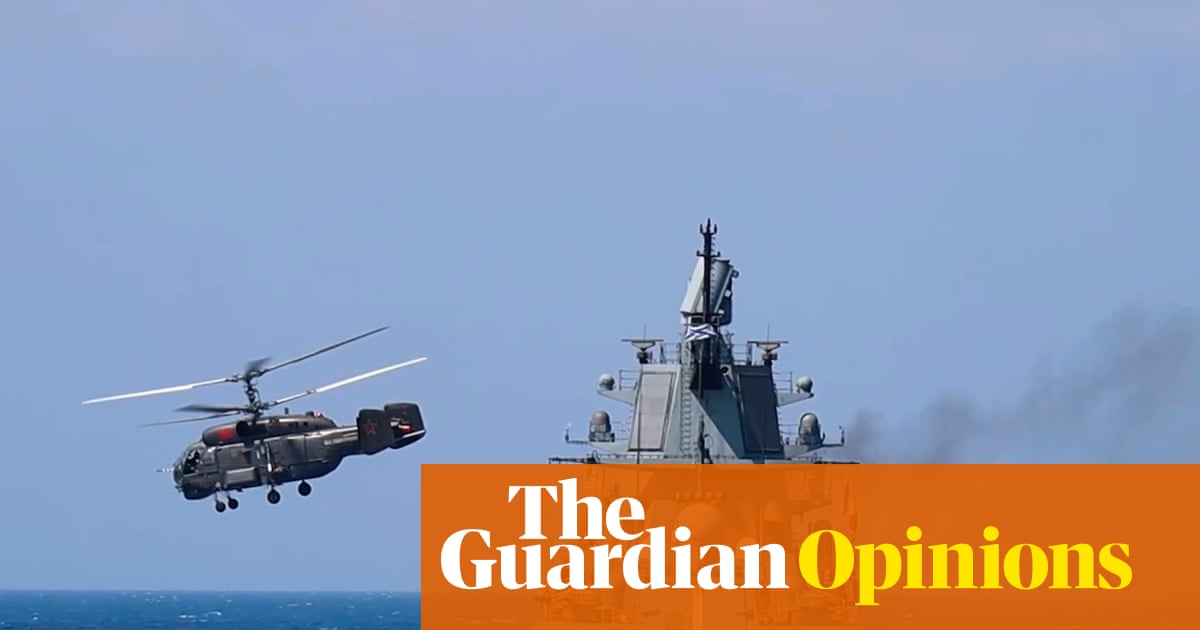
Tisdall widens the lens to a genuine 21st-century war of the sea, fought across multiple theaters simultaneously. In East Asia, China has militarized artificial islands in the South China Sea and rejected the 2016 Permanent Court of Arbitration ruling against its sovereignty claims. A Chinese missile destroyer last week conducted a live-fire drill inside Japan's exclusive economic zone, near Okinotori, and was accompanied by a Russian frigate, a pointed signal given new Japanese Prime Minister Sanae Takaichi's warnings that a Chinese move on Taiwan could trigger a Japanese military response. In Europe, Russia's battered Black Sea fleet has shifted to hybrid "grey zone" operations, mapping and probing undersea infrastructure in the Baltic, North Sea, and the Channel, raising the prospect of sabotage. The combined picture, Tisdall suggests, is not a single crisis but a systemic unraveling of the maritime rules-based order, with consequences that will reach well beyond the price of oil.
Key points
- Roughly 80% of world trade by volume moves by sea, making the erosion of freedom-of-navigation norms a systemic economic risk.
- The US-Iran memorandum of understanding accepts Iran's right, with Oman, to monetize Strait of Hormuz transit, even as Washington publicly denounces such tolls.
- Houthi copycat actions in the Bab al-Mandab have already produced tanker strikes this week, and Indonesia is debating Malacca tolls that would affect 22% of global maritime shipping.
- China conducted a live-fire drill inside Japan's exclusive economic zone near Okinotori, accompanied by a Russian frigate, escalating a standoff with new PM Sanae Takaichi.
- Russia's depleted Black Sea fleet is being offset by grey-zone operations targeting undersea infrastructure in the Baltic, North Sea, and the Channel.
If the US-Iran memorandum of understanding holds and wider de-escalation follows, the immediate upward pressure on oil tanker rates and war-risk insurance premiums could ease. A return to a coordinated freedom-of-navigation posture among the major maritime powers would also relieve stress on supply chains that have already absorbed several years of disruption.
If the Hormuz precedent cascades, with Malacca, Bosphorus, and Gibraltar following, seaborne shipping costs and insurance premiums would rise sharply, feeding broader inflation. Simultaneous escalation in the South China Sea, around Taiwan, and in the North Sea could also expose critical undersea cables and pipelines, with systemic risks for global trade and finance that go well beyond the oil market.
Market signals
- OIL Tankers struck in the Red Sea and renewed Hormuz uncertainty are already spooking energy markets, per the article's framing of supply-route risk.
- XAU A widening global maritime war across multiple theaters supports safe-haven demand for gold, consistent with the article's risk-off framing.
AI-generated analysis of potential market relevance. Not financial advice.