Fuel: Niger seeks levers to exit the crisis
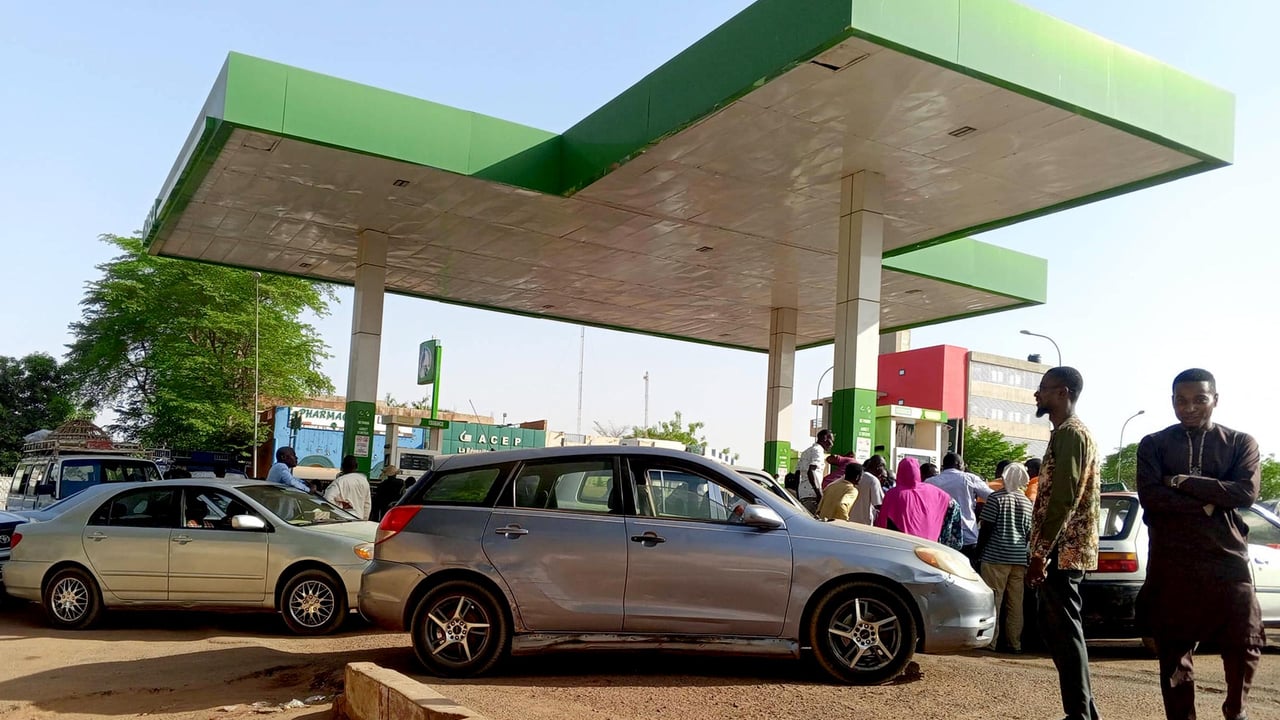
Niger is grappling with a severe fuel shortage despite being an oil producer, leading to suspended exports and long queues at service stations.
Intelligence analysis by Gemini 2.5 Flash
Despite producing 110,000 barrels of oil daily, Niger faces a significant domestic fuel crisis, marked by shortages and export suspensions. The situation is exacerbated by high import costs and an ongoing fiscal dispute with China National Petroleum Corporation (CNPC), a major stakeholder in its refinery.
Niger makes a lot of oil, but people there can't get enough gas for their cars. It's like a big cookie factory that sells most of its cookies to other countries, and now there's a fight with the company that helps make the cookies, so there aren't enough for the people at home.
Analysis
China National Petroleum Corporation (CNPC)
Niger's ongoing fuel crisis is significantly complicated by its strategic partnership with the China National Petroleum Corporation (CNPC). CNPC holds a controlling 60% stake in the country's refinery, with the remaining 40% owned by the state-run Société Nigérienne des Produits Pétroliers (Sonidep). This joint venture is central to Niger's refining capabilities, making any disruption to its operations or management profoundly impactful on national fuel supply.
A critical impediment to resolving the current shortages is an unresolved fiscal dispute between the Nigerien government and CNPC. While the specifics of this disagreement are not detailed, such a standoff typically involves disagreements over tax obligations, revenue sharing, or operational costs. This dispute likely affects the refinery's operational stability, its capacity utilization, and the consistent flow of refined products to the domestic market, thereby exacerbating the existing supply challenges.
Resolving this fiscal impasse is paramount for Niger to stabilize its fuel supply chain. A prolonged dispute could deter necessary investments in refinery maintenance or expansion, further entrenching the country's reliance on costly imports and hindering its ability to leverage its own oil production for national benefit. Diplomatic and economic negotiations will be essential to find a mutually agreeable solution that ensures both the government's fiscal interests and CNPC's operational viability.
110,000 Barrels
The paradox of Niger's fuel crisis lies in its substantial crude oil production, estimated at 110,000 barrels per day. Despite this significant output, the nation struggles to meet its internal demand for refined products. The article highlights that only 20,000 barrels per day are allocated for the domestic market, indicating a strong export orientation for the vast majority of its crude oil. This imbalance points to a structural issue where the economic benefits of crude exports may not be adequately translating into sufficient domestic fuel availability.
The government's recent decision to suspend exports of gasoline and diesel is a direct, albeit temporary, measure to address this domestic shortfall. By redirecting available refined products to local consumers, authorities aim to alleviate immediate pressure and reduce the visible signs of scarcity. However, this reactive approach underscores the need for a more sustainable, long-term strategy.
A lasting solution would involve either a significant expansion of domestic refining capacity to process more of Niger's own crude or a renegotiation of existing agreements with international partners. Such renegotiations should aim to secure a larger, more consistent share of refined products for the local market at stable prices, thereby reducing the country's vulnerability to fluctuating import costs and ensuring energy security for its citizens.
Niamey
The immediate and tangible consequences of the fuel crisis are most acutely felt in Niger's capital city, Niamey. Residents are confronted with interminable queues at petrol stations, many of which are completely dry, forcing motorists to embark on extensive and often fruitless searches for fuel. This daily struggle disrupts personal routines, increases the cost and time associated with transportation, and generates widespread frustration among the populace.
The visible signs of scarcity in Niamey, such as empty pumps and long lines, are not merely inconveniences; they reflect broader economic vulnerabilities within Niger. Access to essential resources like fuel directly impacts productivity across various sectors, from commerce and agriculture to public services. Businesses reliant on transportation and energy face operational challenges, potentially stifling economic growth and deterring investment.
Addressing the fuel shortage in Niamey and across the country is therefore not just an economic imperative but also a social and political one. Ensuring a stable and accessible fuel supply is crucial for maintaining public order, fostering social stability, and reinforcing confidence in the government's capacity to effectively manage national resources. The crisis highlights the urgent need for comprehensive solutions that go beyond temporary fixes.
Key points
- Niger faces a severe fuel shortage despite producing 110,000 barrels of oil daily.
- The country has suspended gasoline and diesel exports to address domestic demand.
- High import costs contribute to the crisis, making it difficult to secure refined products.
- A fiscal dispute with China National Petroleum Corporation (CNPC), which holds a 60% stake in the national refinery, complicates efforts to resolve the issue.
- Only 20,000 barrels per day of oil production are currently allocated for the domestic market.
If the fiscal dispute with CNPC is resolved and effective strategies are implemented to prioritize domestic fuel allocation, Niger could stabilize its supply, alleviate the current crisis, and ensure smoother daily life and economic activity for its citizens.
The ongoing fiscal dispute with CNPC, coupled with persistently high import costs and insufficient domestic refining capacity, could prolong the fuel crisis, leading to continued economic disruption, public discontent, and potential instability in Niger.