Fuel Price Update! Petrol Increased by Rs. 3.66, Diesel by Rs. 4.80
The federal government has announced an increase in petroleum prices, raising the cost of petrol by Rs. 3.66 per litre and diesel by Rs. 4.80 per litre. The updated prices are expected to impact transportation costs and may contribute to higher prices of goods and service…
Intelligence analysis by Llama
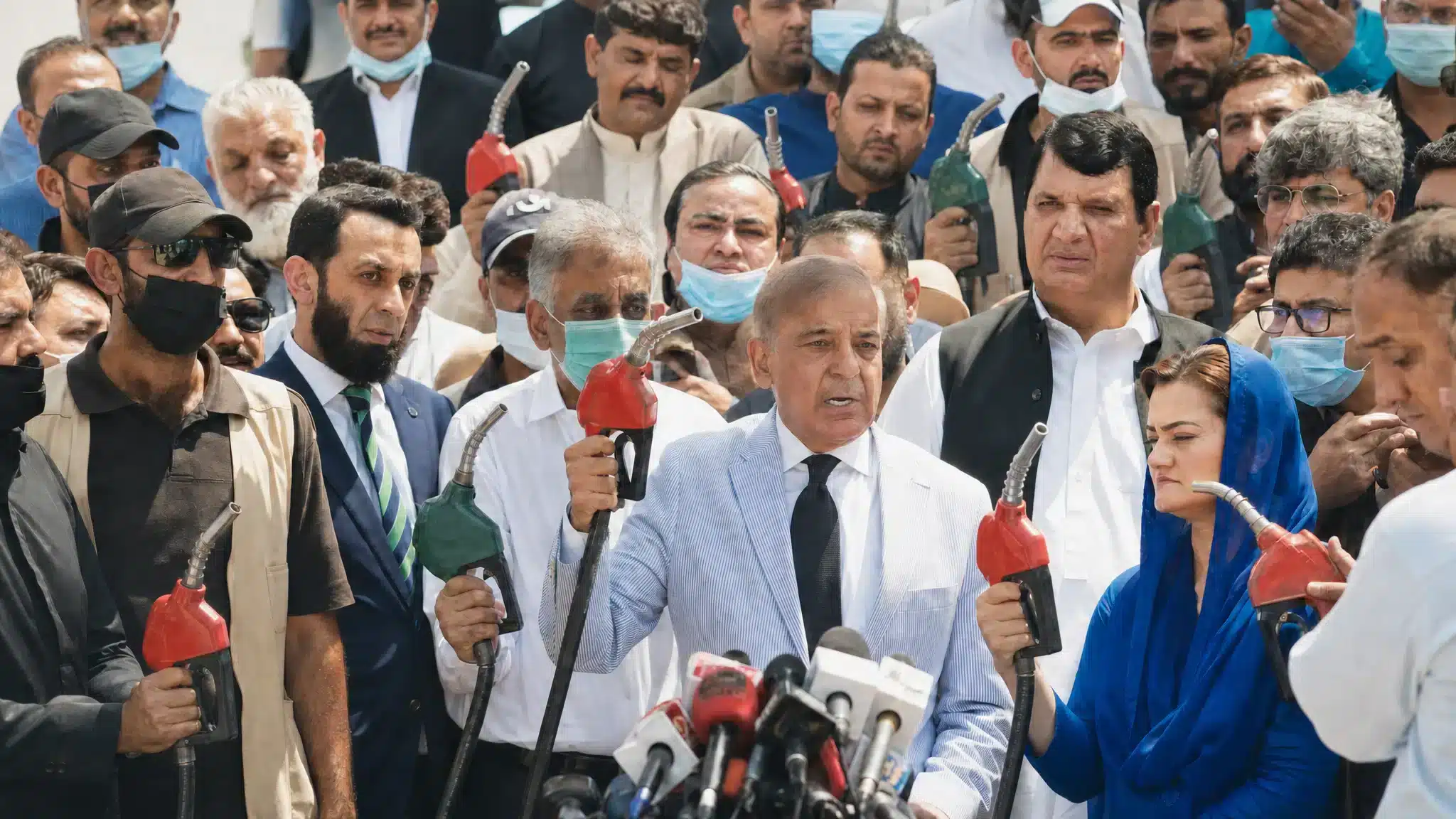
The federal government has increased petroleum prices, raising the cost of petrol by Rs. 3.66 per litre and diesel by Rs. 4.80 per litre. This is expected to impact transportation costs and contribute to higher prices of goods and services across the country.
Imagine you're driving a car, and suddenly the fuel becomes more expensive. That's what's happening in Pakistan right now. The government has increased the price of petrol and diesel, which means people will have to pay more money for fuel. This can make transportation more expensive and affect the prices of goods and services across the country.
Analysis
A $60B Vote of Confidence
The federal government's decision to increase petroleum prices is a significant development for the country's economy. The increase in petrol prices by Rs. 3.66 per litre and diesel by Rs. 4.80 per litre is expected to impact transportation costs and contribute to higher prices of goods and services across the country. This move is likely to have a ripple effect on the economy, particularly on the common man who relies heavily on transportation for daily activities.
Why Cursor?
The government's decision to increase petroleum prices is a clear indication of its priorities. The government has been facing pressure from various quarters to reduce the prices of petroleum products, but it seems that it has chosen to ignore these demands. This move is likely to have a negative impact on the common man, who will have to bear the brunt of the increased prices.
The Road Ahead
The government's decision to increase petroleum prices is a short-term solution to the country's economic woes. However, it is unlikely to address the underlying issues that have led to the current economic crisis. The government needs to take a more comprehensive approach to address the economic challenges facing the country. This includes reducing the prices of petroleum products, increasing the supply of essential commodities, and implementing policies that promote economic growth and development.
Key points
- The federal government has increased petroleum prices, raising the cost of petrol by Rs. 3.66 per litre and diesel by Rs. 4.80 per litre.
- The updated prices are expected to impact transportation costs and contribute to higher prices of goods and services across the country.
- The government's decision to increase petroleum prices is a clear indication of its priorities and might have a negative impact on the common man.
If the government can implement policies that promote economic growth and development, the increased prices of petroleum products might not have a significant impact on the economy. Additionally, if the government can reduce the prices of petroleum products in the future, it might help to mitigate the effects of the current price hike.
The increased prices of petroleum products are likely to have a negative impact on the economy, particularly on the common man who relies heavily on transportation for daily activities. This might lead to higher prices of goods and services across the country, making it difficult for people to afford basic necessities.