Fuel theft from British petrol pumps has increased by 24% since Iran war began
Fuel theft from British petrol pumps has increased by 24% since the Iran war began, with drivers stealing an average of £194,000 worth of fuel per day, according to a new analysis.
Intelligence analysis by Llama
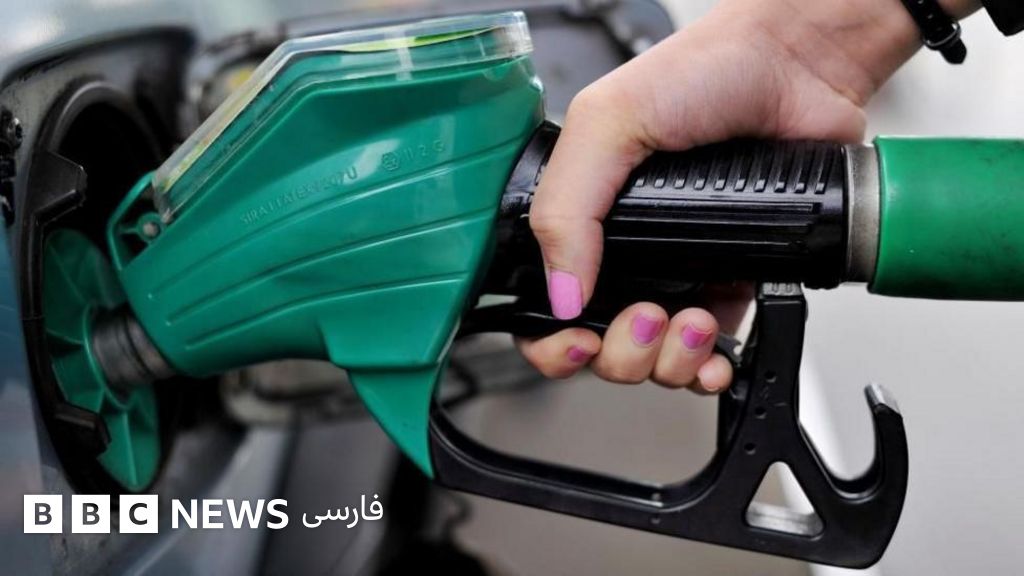
Fuel theft from British petrol pumps has increased by 24% since the Iran war began, with drivers stealing an average of £194,000 worth of fuel per day, according to a new analysis. The analysis, by the company Forecourt IQ, found that the value of stolen fuel has increased by 48% since the war began, with an average of £194,000 worth of fuel being stolen per day.
Imagine you're driving a car and you need to fill up with gas. But instead of paying for the gas, you just take it and leave. That's what's been happening a lot since the war in Iran started. People are stealing a lot of gas from gas stations, and it's causing problems for the government and for people who need gas to drive their cars.
Analysis
A 24% Increase in Fuel Theft Since the Iran War Began
The Iran war has had a significant impact on the UK's economy, and one of the most notable effects is the increase in fuel theft from petrol pumps. According to a new analysis by Forecourt IQ, the value of stolen fuel has increased by 48% since the war began, with an average of £194,000 worth of fuel being stolen per day. This is a 24% increase compared to the five months before the war began.
The analysis found that the increase in fuel theft is not just limited to the value of the fuel stolen, but also the number of incidents. In the five months after the war began, there were an average of 2,872 incidents of fuel theft per day, compared to 2,400 incidents per day in the five months before the war began. These incidents include drivers who leave the pump without paying, as well as those who claim to have no money or card to pay.
The increase in fuel theft is a concern for the UK government, which is already dealing with the impact of the war on the country's economy. The government has promised to take action to prevent fuel theft and to ensure that petrol prices remain low for consumers.
The Government's Response
The UK government has promised to take action to prevent fuel theft and to ensure that petrol prices remain low for consumers. In a statement, the government said that it would be working with the oil industry to prevent fuel theft and to ensure that petrol prices remain low. The government also promised to take action against those who are responsible for fuel theft.
The Impact on Consumers
The increase in fuel theft is a concern for consumers, who are already feeling the impact of the war on their wallets. The increase in petrol prices has made it more expensive for people to travel, and the increase in fuel theft has made it more difficult for people to get the fuel they need. The government's promise to take action to prevent fuel theft and to ensure that petrol prices remain low is a welcome relief for consumers.
The Future of Fuel Theft
The increase in fuel theft is a concern for the future of the oil industry. If the trend continues, it could lead to a shortage of fuel, which would have a significant impact on the economy. The government's promise to take action to prevent fuel theft is a step in the right direction, but it remains to be seen whether it will be enough to prevent a shortage of fuel.
Key points
- Fuel theft from British petrol pumps has increased by 24% since the Iran war began.
- The value of stolen fuel has increased by 48% since the war began.
- An average of £194,000 worth of fuel is being stolen per day.
- The government has promised to take action to prevent fuel theft and to ensure that petrol prices remain low for consumers.
If the government is able to take action to prevent fuel theft, it could lead to a decrease in petrol prices and make it easier for people to travel. Additionally, the government's promise to work with the oil industry to prevent fuel theft could lead to a more stable and secure supply of fuel.
If the trend of fuel theft continues, it could lead to a shortage of fuel, which would have a significant impact on the economy. Additionally, the increase in petrol prices could make it more difficult for people to travel and could have a negative impact on the country's economy.


