Future AI weapons such as drones should have moral code, says former UK spy chief
Former GCHQ chief David Omand now says AI weapons should be given moral rules so drones can better follow humanitarian law.
Intelligence analysis by GPT-5.4 Mini
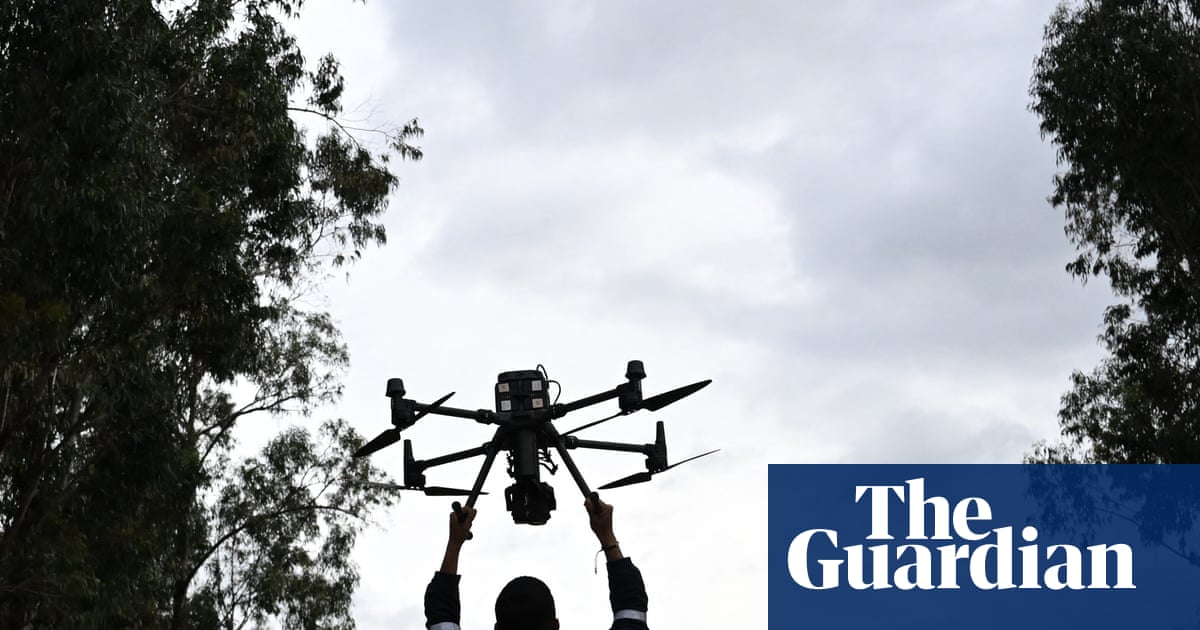
David Omand says fast-moving AI warfare may require drones to make some targeting decisions within human-set moral limits. He argues generative AI could help systems weigh civilian risk and target legitimacy better than stressed humans in the heat of combat.
A former spy chief says robot drones should be taught rules about what is fair and what is not, like a strict referee. He thinks fast wars may move too quickly for people to decide every shot, so machines may need to help make safer choices.
Analysis
What changed
David Omand, the former head of GCHQ, says he has reversed his earlier view that autonomous drones could not comply with international humanitarian law. He now believes AI can be programmed with a moral framework that helps distinguish combatants from civilians and makes better targeting decisions under pressure.
Why he changed his mind
Omand points to the increasing speed of modern warfare, including drones and hypersonic missiles, and to generative AI as the main reasons for his shift. He says AI can now be used to apply the same military ethics humans already use, but in a machine-readable form that can work when there is no time for a person to decide every strike.
Human oversight, but less direct control
He distinguishes between being “in the loop” and being “on the loop.” In his view, humans should still set mission parameters and supervise the system, but they will not always be able to authorise every action in real time. He says this is a practical consequence of warfare moving too fast for constant human approval.
The policy backdrop
The debate is already active in defence policy. UK military guidance says there must be context-appropriate human involvement when weapons identify, select and attack targets. In the US, the 2027 budget sets aside $54bn for autonomous and remotely operated systems across air, land, sea, and below the sea, including a “drone dominance” programme.
Omand’s position is notable because he chaired a 2014 commission that had doubts about whether autonomous weapons could reliably tell civilians from combatants or meet proportionality rules. He now argues the technology may be moving toward a system that can support ethically grounded decisions, though still under human oversight.
Key points
- David Omand says AI weapons should have moral rules built into them.
- He now believes autonomous drones can comply with international humanitarian law.
- He argues humans should supervise missions, even if they do not approve every strike.
- The US is already budgeting heavily for autonomous and remotely operated military systems.
- Omand had previously expressed doubts about whether such weapons could meet legal and ethical standards.
If the approach works, autonomous systems could help reduce mistakes in fast-moving combat by applying clearer rules about civilians, targets and proportionality. The article suggests this could let humans keep oversight while giving machines enough structure to act within humanitarian law. It could also make military decision-making more consistent than split-second human judgment under extreme stress. Omand argues that the underlying ethics already exist; AI would simply help apply them at speed.
The main risk is that machines may still misread the situation, especially when identifying targets or estimating civilian harm. Omand’s own earlier commission warned that autonomous systems might struggle with distinction and proportionality. There is also a broader concern that moving humans “on the loop” rather than “in the loop” lowers the barrier to machine-led targeting. The article notes that doctrine and policy are still catching up, even as defence spending on autonomous systems grows.