Gas Bills to Spike After OGRA Hikes RLNG Rates by One-Third
Pakistan's OGRA has raised RLNG prices by over one-third for July 2026, driven by a sharp drop in LNG imports. Only five LNG cargoes arrived in July, with prices rising by $6.4512 per MMBtu to $25.087 for SSGC consumers in the south.
Intelligence analysis by Llama
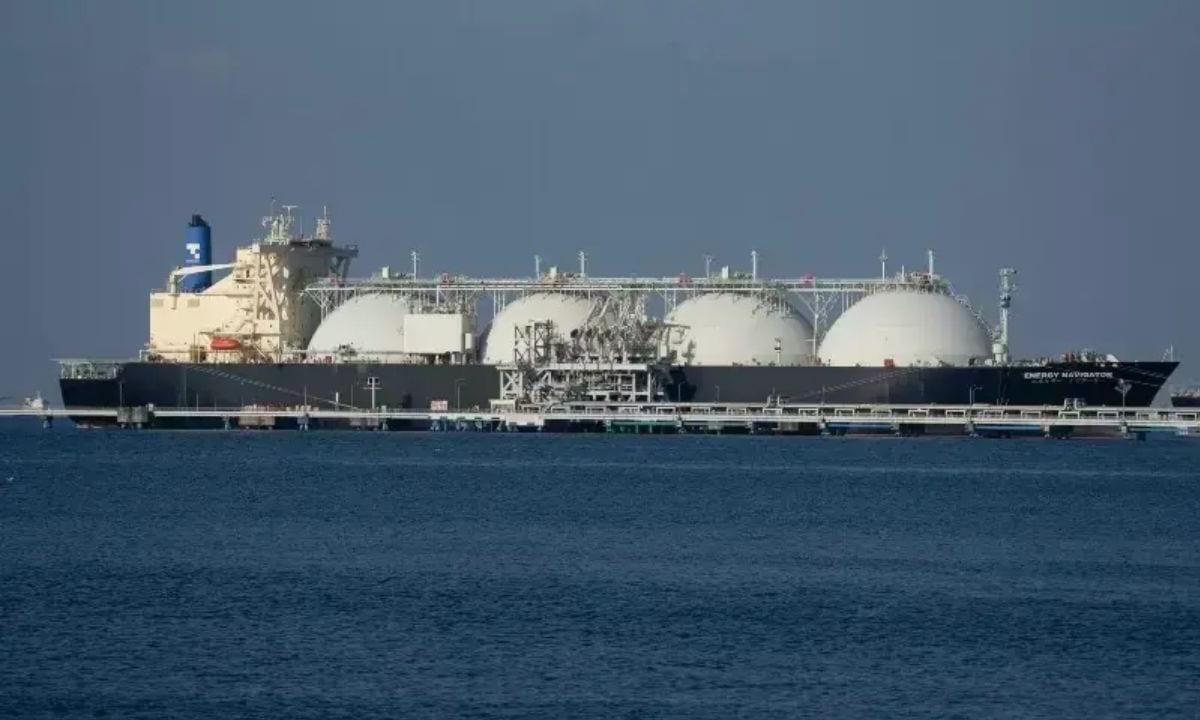
Pakistan's OGRA has raised RLNG prices by over one-third for July 2026, driven by a sharp drop in LNG imports. The price surge is expected to continue unless the regional situation eases.
Pakistan's energy prices are going up because the country is not getting enough gas from its usual supplier. This means that people will have to pay more for their energy bills.
Analysis
A $60B Vote of Confidence
Pakistan's energy sector is facing a significant challenge as the country's RLNG prices have climbed more than 144 percent since the start of unrest in the Middle East. The recent price hike by OGRA is driven by a sharp drop in LNG imports, with only five LNG cargoes arriving in July. This has led to a significant increase in prices, with SSGC consumers in the south facing a jump of 34.6 percent. The state-run Pakistan LNG Limited purchased all five July cargoes from the international spot market, where prices are higher and more volatile. The shortfall in Qatari gas supplies, which was suspended following drone strikes in March, has driven the price surge. With no clear timeline for a return to cheaper Qatari supplies, Pakistan is expected to continue relying on the more expensive spot market for LNG, keeping costs elevated for consumers unless the regional situation eases.
Why Cursor?
The recent price hike is a significant concern for Pakistan's economy, which is already facing high inflation. The price increase will add further pressure on consumers, who are already struggling to make ends meet. The government will need to take steps to mitigate the impact of the price hike and ensure that the energy sector is stable.
The Road Ahead
The future of Pakistan's energy sector is uncertain, with the country's reliance on expensive spot market LNG imports expected to continue unless the regional situation eases. The government will need to take steps to diversify the energy mix and reduce dependence on imported fuels. This will require significant investment in renewable energy sources and infrastructure development.
Key points
- Pakistan's OGRA has raised RLNG prices by over one-third for July 2026.
- The price surge is driven by a sharp drop in LNG imports, with only five LNG cargoes arriving in July.
- SSGC consumers in the south face a jump of 34.6 percent in prices.
- Pakistan is expected to continue relying on the more expensive spot market for LNG unless the regional situation eases.
If the regional situation eases, Pakistan may be able to return to cheaper Qatari gas supplies, which could help to reduce energy costs for consumers.
The price hike is a significant concern for Pakistan's economy, and the country's reliance on expensive spot market LNG imports is expected to continue unless the regional situation eases.