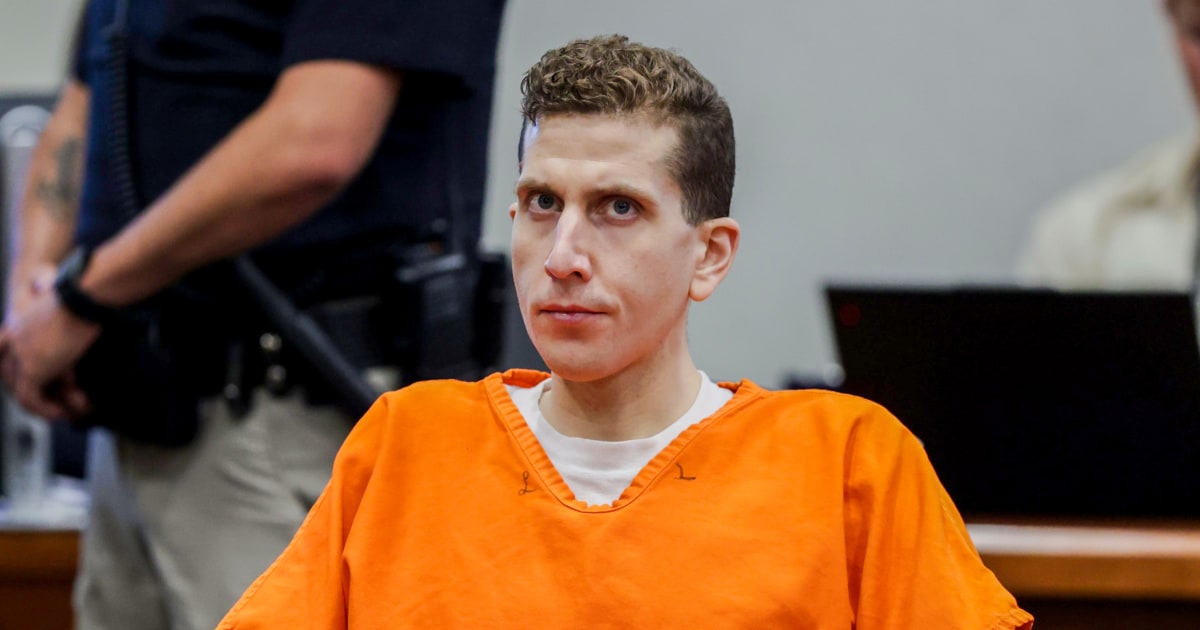
Georgia man who ran toward Capitol with shotgun pleads guilty
A Georgia man who charged at the U.S. Capitol armed with a loaded shotgun and wearing body armor and camouflage clothing pleaded guilty to illegally carrying a firearm.
Intelligence analysis by Llama
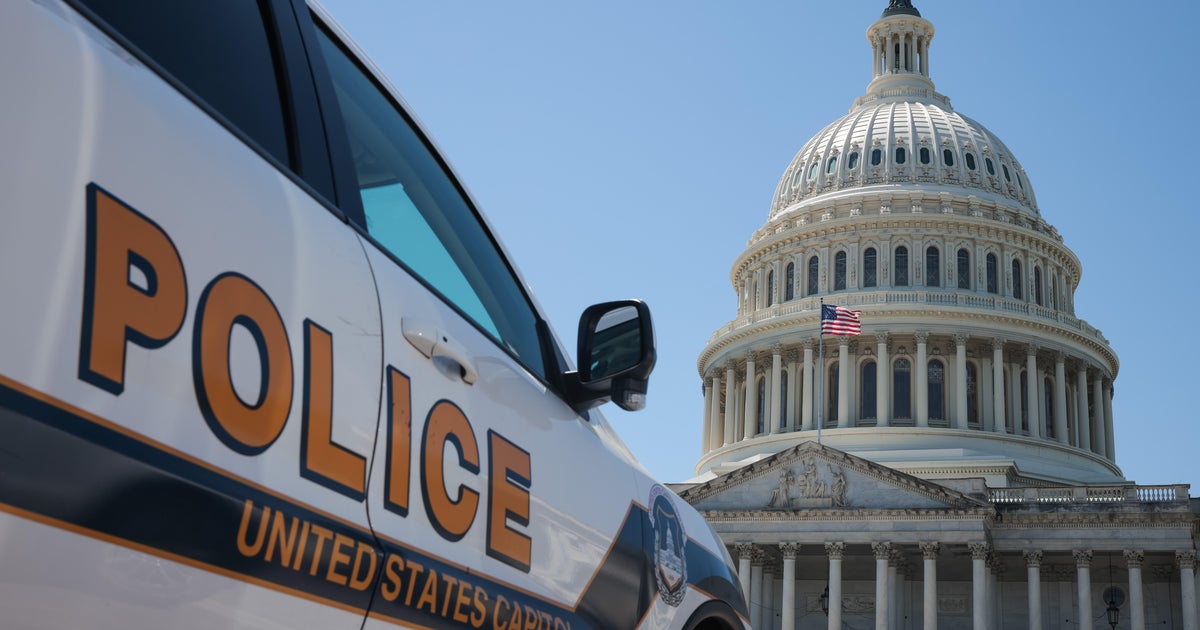
Carter Camacho, 18, of Smyrna, Georgia, told police officers who apprehended him outside the Capitol on Feb. 17 that he intended to confront members of Congress and 'scare them into speaking the truth'.
Imagine someone wearing a big backpack and carrying a big gun, trying to get into a very important building where important people work. He wanted to scare them into telling the truth, but he got caught by the police before he could do anything bad. This is a very serious situation because it could have hurt a lot of people.
Analysis
A Threat to Democracy
Carter Camacho's actions on February 17 were a stark reminder of the threats to democracy in the United States. Armed with a loaded shotgun and wearing body armor and camouflage clothing, he charged at the U.S. Capitol, intent on confronting members of Congress and 'scaring them into speaking the truth'.
While Camacho's actions were ultimately thwarted, the incident raises important questions about the role of law enforcement in preventing and responding to extremist threats. The U.S. Capitol Police, who apprehended Camacho, have been praised for their bravery and professionalism in the face of this threat.
The Psychology of Extremism
Camacho's motivations for his actions are complex and multifaceted. According to prosecutors, he told police that he intended to 'scare' members of Congress into speaking the truth, suggesting a deep-seated distrust of the government and a desire for radical change. This kind of thinking is all too common among extremist groups, who often use violence and intimidation to achieve their goals.
The Importance of Addressing Extremism
The Camacho case highlights the importance of addressing extremism and radicalization in all its forms. This requires a multifaceted approach, involving law enforcement, community organizations, and other stakeholders. By working together, we can prevent incidents like this from occurring and promote a more peaceful and inclusive society.
The Road Ahead
As we move forward, it is essential that we continue to prioritize the safety and security of our democracy. This includes investing in law enforcement and community programs, as well as promoting education and awareness about the dangers of extremism. By working together, we can build a brighter future for ourselves and for generations to come.
Key points
- Carter Camacho, 18, of Smyrna, Georgia, pleaded guilty to illegally carrying a firearm on Capitol grounds.
- Camacho told police that he intended to confront members of Congress and 'scare them into speaking the truth'.
- He was apprehended by U.S. Capitol Police officers outside the Capitol on Feb. 17.
- Camacho is scheduled to be sentenced on Dec. 8 by U.S. District Judge Amit Mehta in Washington, D.C.
If this development plays out positively, it could lead to increased awareness and education about the dangers of extremism, which could help prevent similar incidents in the future.
The realistic downside risks or failure modes of this story are that it could lead to increased polarization and division in the United States, making it more difficult to address the underlying issues of extremism and radicalization.