German air show opens under shadow of Iran war, fighter project collapse
Germany’s ILA air show opened amid fallout from the Iran war and the collapse of the Franco-German FCAS fighter project.
Intelligence analysis by GPT-5.4 Mini
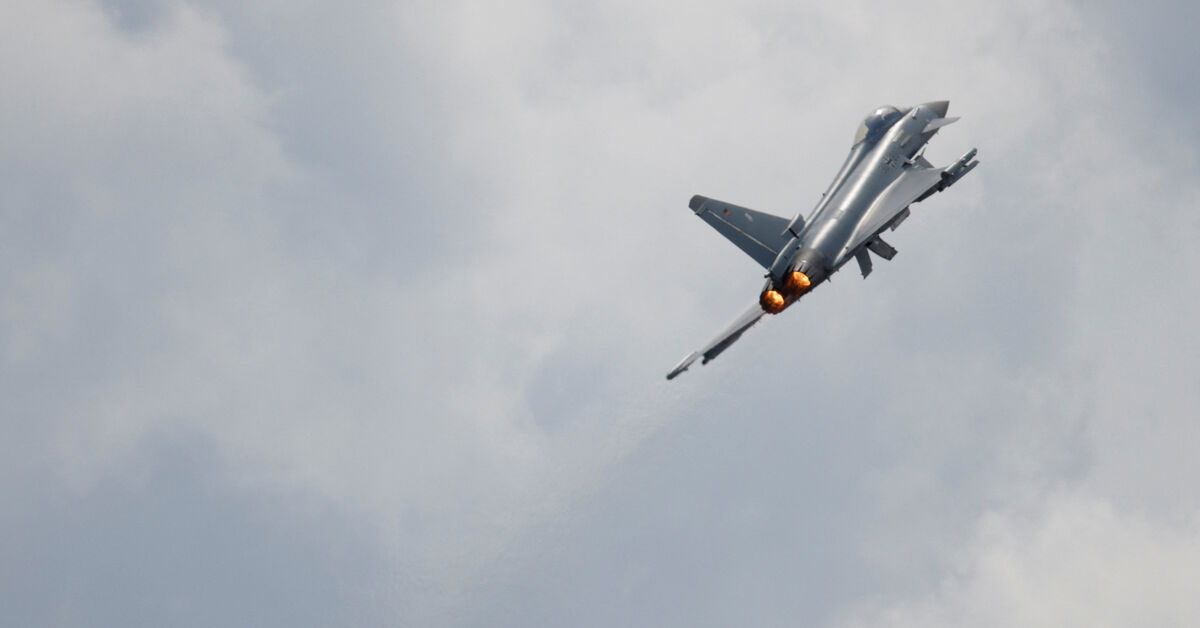
Europe’s premier aerospace showcase is being overshadowed by the war in Iran and the end of FCAS, the flagship Franco-German fighter program. The event also reflects Europe’s effort to rebuild defense capacity, even as protests and airline disruption add pressure.
A big airplane show in Germany got overshadowed by a war in Iran and a failed fighter-jet project. It was supposed to be a showcase, but it felt more like a test of whether Europe can still build strong planes and defenses.
Analysis
What happened
Germany’s ILA air show opened in Berlin on June 10 under the combined pressure of the Iran war and the collapse of the Franco-German Future Combat Air System, or FCAS. Reuters says the project had been billed as Europe’s most ambitious defense effort, but industrial rivalry helped bring it down.
The show is meant to be a major display of European aerospace and defense capabilities, with more than 750 exhibitors from 37 countries expected over June 10 to 14. It comes at a time when Western officials are warning about Russia and the United States is pressing Europe to rearm faster.
Why it matters
The article frames FCAS’s failure as another sign that Europe still struggles to build military capacity at scale. Airbus, which represented Germany and Spain in the project, is now said to be looking more closely at Sweden’s Saab as a possible partner, according to three people familiar with the matter.
The Iran war adds another layer of strain. Reuters says it has exposed tensions in transatlantic ties and raised questions about NATO, while also hitting airlines through flight cancellations and higher jet-fuel costs. That is relevant to the region because Gulf aviation interests are directly tied to European air routes and market access.
Germany’s Chancellor Friedrich Merz, who has questioned whether a manned sixth-generation fighter still makes sense for the German air force, is due to address the show. Meanwhile, Germany’s cabinet approved a new 15-year aviation strategy on the opening day, aimed at lowering costs and boosting research in response to rising expenses and foreign competition.
The opening was also disrupted by protesters blocking roads to the venue and chanting “Free Palestine,” forcing some visitors to walk in after buses could not reach the site.
Key points
- Germany’s ILA air show opened in Berlin on June 10 under the shadow of the Iran war.
- The collapse of the Franco-German FCAS fighter project dominated the run-up to the event.
- Reuters says Airbus may be looking more closely at Sweden’s Saab as alliances shift.
- The Iran war has added strain to airlines, NATO politics, and transatlantic ties.
- Germany also approved a 15-year aviation strategy to cut costs and boost research.
If the new aviation strategy works, Germany could lower costs and strengthen research, helping its aerospace sector compete better. The reshuffling after FCAS could also lead to new partnerships and newer technologies being folded into future defense systems.
The collapse of FCAS may leave Europe still unable to build major military projects at scale, especially if rivalries keep blocking cooperation. The Iran war could keep adding pressure through airline disruptions, higher fuel costs, and deeper uncertainty around transatlantic security.