Germany Expected to See Lower Grain Harvests Than in Previous Years
Germany is expected to see lower grain harvests than in previous years, with a projected 2.2 million tons of grain to be harvested this year, down 8% from the long-term average. The winter wheat crop is expected to be particularly affected, with a projected yield of 7.2 t…
Intelligence analysis by Llama
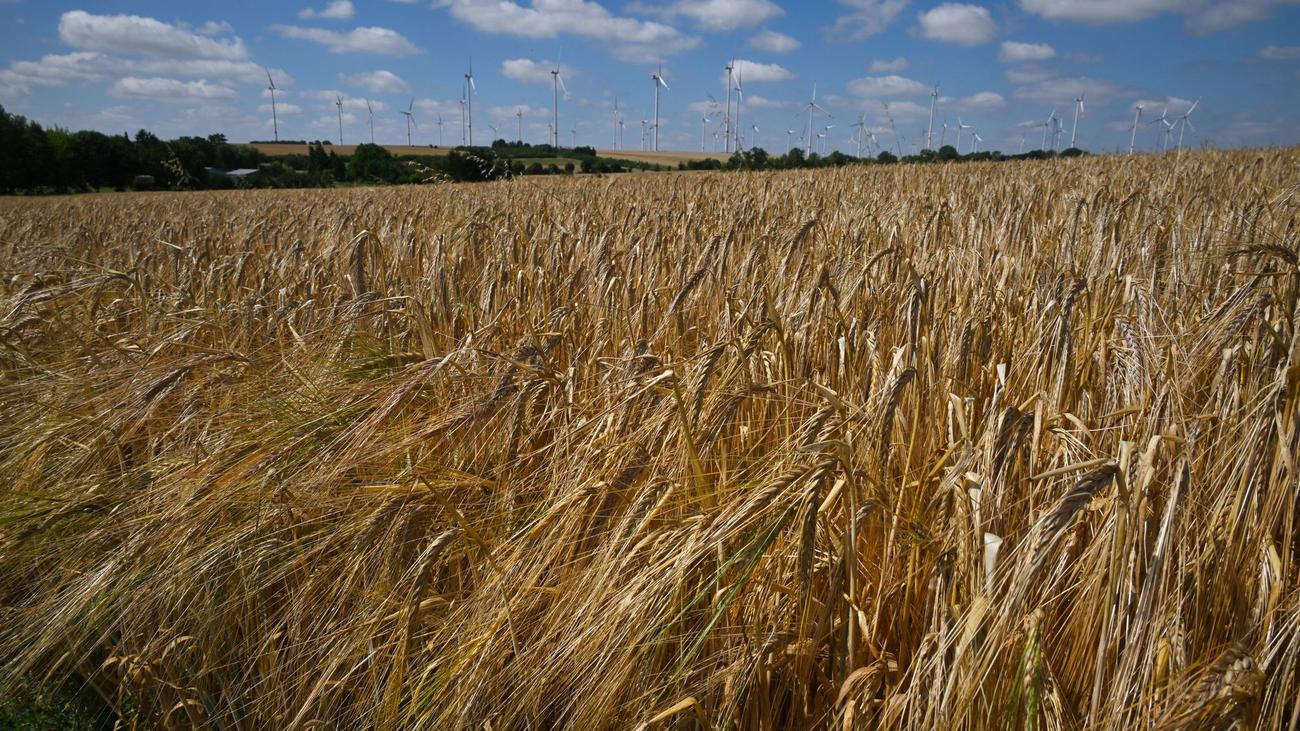
Germany's grain harvest is expected to be lower than in previous years, with a projected 2.2 million tons of grain to be harvested. The winter wheat crop is expected to be particularly affected, with a projected yield of 7.2 tons per hectare.
Germany is expecting a lower grain harvest than usual, which means they might not have as much food as they need. This could make food more expensive and affect people who can't afford it.
Analysis
A Lower Grain Harvest Than Expected
Germany's agricultural industry is facing a challenging year, with a projected grain harvest of 2.2 million tons, down 8% from the long-term average. The winter wheat crop is expected to be particularly affected, with a projected yield of 7.2 tons per hectare, down from 7.5 tons per hectare in the previous year. This decline in grain production is attributed to a combination of factors, including unfavorable weather conditions and a decrease in the area under cultivation.
The Impact on Food Prices
The lower grain harvests are likely to have a significant impact on food prices in Germany. With a decrease in grain production, the country's food industry may face shortages and increased costs, which could be passed on to consumers. This could have far-reaching consequences for the country's economy, particularly for low-income households that rely heavily on affordable food.
The Road Ahead
To mitigate the effects of the lower grain harvests, the German government may need to implement measures to support the agricultural industry, such as providing subsidies to farmers or investing in research and development to improve crop yields. Additionally, the government may need to consider implementing policies to address the impact of the lower grain harvests on food prices and the economy as a whole.
Key points
- Germany is expected to see lower grain harvests than in previous years.
- The winter wheat crop is expected to be particularly affected, with a projected yield of 7.2 tons per hectare.
- The lower grain harvests are significant for Germany's agricultural industry and could have implications for food prices and the country's economy.
- The German government may need to implement measures to support the agricultural industry and address the impact of the lower grain harvests on food prices and the economy.
If the German government implements measures to support the agricultural industry, such as providing subsidies to farmers or investing in research and development, it could help improve crop yields and mitigate the effects of the lower grain harvests. Additionally, the government may be able to implement policies to address the impact of the lower grain harvests on food prices and the economy as a whole.
If the lower grain harvests persist, it could lead to food shortages and increased costs, which could have far-reaching consequences for the country's economy, particularly for low-income households that rely heavily on affordable food.