Germany's Bundesregierung Approves Two Controversial Energy Laws
Germany's Bundesregierung has approved two key energy laws aimed at promoting renewable energy sources. The laws, which include a revised version of the Erneuerbare-Energien-Gesetzes (EEG) and the 'Netzpaket', aim to increase the use of solar and wind power in the country.
Intelligence analysis by Llama
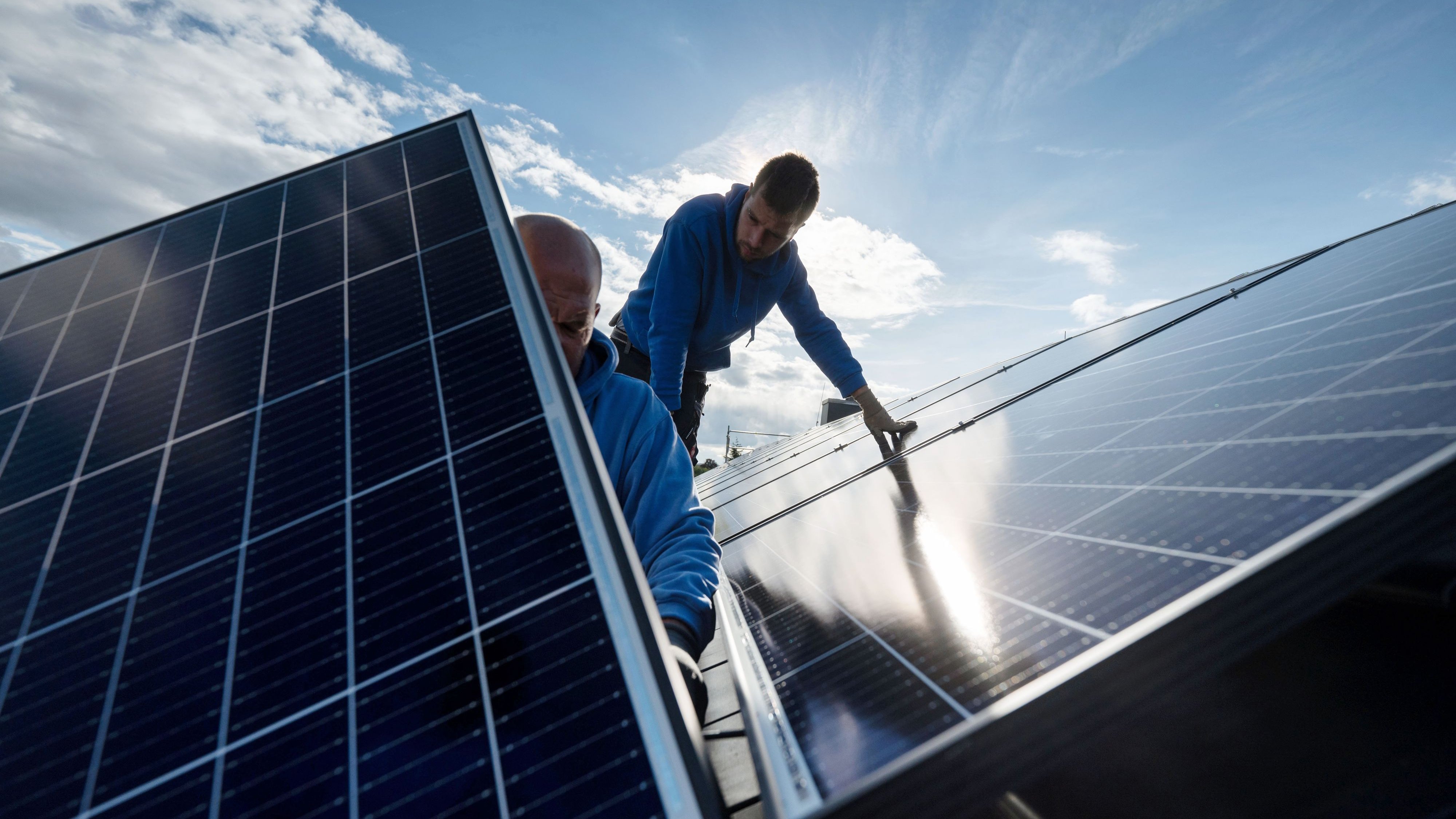
Germany's Bundesregierung has approved two key energy laws aimed at promoting renewable energy sources. The laws, which include a revised version of the Erneuerbare-Energien-Gesetzes (EEG) and the 'Netzpaket', aim to increase the use of solar and wind power in the country. The EEG-Novelle will regulate the future Vergütung for Solarstrom from private homes, while the Netzpaket will de…
Imagine you have a solar panel on your roof, and you want to sell the electricity you generate to the grid. The new laws in Germany will make it easier for you to do that. They will also help to create new jobs and opportunities for businesses to invest in renewable energy projects.
Analysis
A $60B Vote of Confidence
The Bundesregierung's approval of the two energy laws is a significant vote of confidence in Germany's renewable energy sector. The laws, which include a revised version of the Erneuerbare-Energien-Gesetzes (EEG) and the 'Netzpaket', aim to increase the use of solar and wind power in the country. The EEG-Novelle will regulate the future Vergütung for Solarstrom from private homes, while the Netzpaket will determine where and how quickly new wind and solar parks can be built.
The approval of these laws is a major step forward for Germany's energy transition. The country has set ambitious targets to increase its use of renewable energy sources, and these laws will help to achieve those targets. The laws will also create new opportunities for businesses and individuals to invest in renewable energy projects.
However, not everyone is happy with the approval of these laws. Some critics argue that the laws do not go far enough in promoting renewable energy sources, while others argue that they will lead to job losses in the fossil fuel industry.
Why Cursor?
The Bundesregierung's approval of the two energy laws is also significant because it shows that the government is committed to promoting renewable energy sources. The laws will help to reduce Germany's reliance on fossil fuels and will create new opportunities for businesses and individuals to invest in renewable energy projects.
The approval of these laws is also a major step forward for Germany's energy transition. The country has set ambitious targets to increase its use of renewable energy sources, and these laws will help to achieve those targets. The laws will also create new opportunities for businesses and individuals to invest in renewable energy projects.
The Road Ahead
The approval of these laws is a major step forward for Germany's energy transition. The country has set ambitious targets to increase its use of renewable energy sources, and these laws will help to achieve those targets. The laws will also create new opportunities for businesses and individuals to invest in renewable energy projects.
However, there are still many challenges ahead. The laws will need to be implemented effectively, and there will need to be ongoing investment in renewable energy projects. Additionally, there will need to be a continued commitment to promoting renewable energy sources.
Overall, the approval of these laws is a significant step forward for Germany's energy transition. The laws will help to reduce the country's reliance on fossil fuels and will create new opportunities for businesses and individuals to invest in renewable energy projects.
Key points
- Germany's Bundesregierung has approved two key energy laws aimed at promoting renewable energy sources.
- The laws, which include a revised version of the Erneuerbare-Energien-Gesetzes (EEG) and the 'Netzpaket', aim to increase the use of solar and wind power in the country.
- The EEG-Novelle will regulate the future Vergütung for Solarstrom from private homes, while the Netzpaket will determine where and how quickly new wind and solar parks can be built.
- The approval of these laws is a major step forward for Germany's energy transition.
- The laws will help to reduce the country's reliance on fossil fuels and will create new opportunities for businesses and individuals to invest in renewable energy projects.
The approval of these laws is a major step forward for Germany's energy transition. The country has set ambitious targets to increase its use of renewable energy sources, and these laws will help to achieve those targets. The laws will also create new opportunities for businesses and individuals to invest in renewable energy projects.
However, there are still many challenges ahead. The laws will need to be implemented effectively, and there will need to be ongoing investment in renewable energy projects. Additionally, there will need to be a continued commitment to promoting renewable energy sources.