Germany's Gas Storage Levels Reach Record Low
Germany's gas storage levels have reached a record low, with only 49% of capacity filled, according to the Initiative Energien Speichern (Ines). This is a significant decrease from last year's levels, which were at 67% at the same time. The current low levels are attribut…
Intelligence analysis by Llama
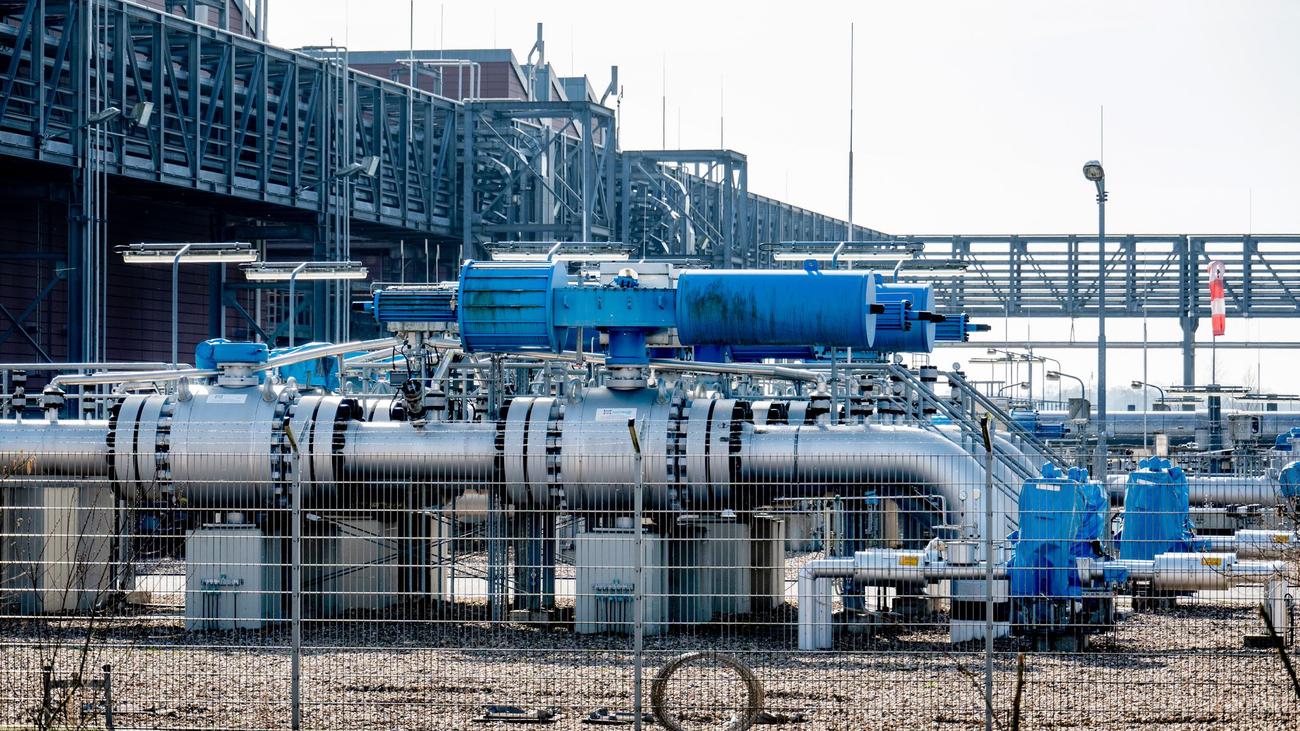
Germany's gas storage levels have hit a record low, with only 49% of capacity filled. This is a significant decrease from last year's levels, which were at 67% at the same time. The current low levels are attributed to high gas prices due to the Iran-Krieg and the blockade of the Strait of Hormus.
Imagine you have a big tank to store gas for the winter. But this year, the gas prices are so high that it's not worth storing gas in the tank. As a result, the tank is almost empty. This is what's happening in Germany right now. The country's gas storage levels are at a record low, and it's causing concerns about energy security.
Analysis
Historical Context of Gas Storage Levels in Germany
Germany's gas storage levels have been declining steadily over the past few years. According to the Initiative Energien Speichern (Ines), the current gas storage levels are the lowest since the start of record-keeping in 2011. This is a significant concern for the country's energy security, as it raises questions about the ability to meet energy needs during the winter months.
Impact of High Gas Prices on Gas Storage Levels
The high gas prices due to the Iran-Krieg and the blockade of the Strait of Hormus have made it unprofitable for companies to store gas for the winter months. As a result, the gas storage levels have declined significantly. According to Sebastian Heinermann, the Geschäftsführer of Ines, the current gas storage levels are at 49%, which is a significant decrease from last year's levels, which were at 67% at the same time.
Government Response to Gas Storage Levels
The German government has acknowledged the concerns about gas storage levels and has taken steps to address the issue. According to the Bundeswirtschaftsministerium, the government is preparing for a potential gas shortage by working with private companies and traders to ensure a stable gas supply. However, the government has also emphasized that a state-led intervention in the gas market would be risky and could have unintended consequences.
Implications of Low Gas Storage Levels
The low gas storage levels have significant implications for Germany's energy security. If the country is unable to meet its energy needs during the winter months, it could lead to power outages and disruptions to critical infrastructure. Therefore, it is essential for the government and private companies to work together to address the issue and ensure a stable gas supply.
Key points
- Germany's gas storage levels have reached a record low, with only 49% of capacity filled.
- The high gas prices due to the Iran-Krieg and the blockade of the Strait of Hormus have made it unprofitable for companies to store gas for the winter months.
- The German government has acknowledged the concerns about gas storage levels and is working with private companies and traders to ensure a stable gas supply.
If the government and private companies work together to address the issue, it's possible that the gas storage levels could be increased in the coming months. This would help to alleviate concerns about energy security and ensure a stable gas supply.
If the high gas prices continue, it's possible that the gas storage levels could remain low for an extended period. This would increase the risk of power outages and disruptions to critical infrastructure, which could have significant economic and social impacts.