Germany’s opaque arms export policy toward Israel comes under renewed scrutiny
Germany's arms export policy toward Israel is facing scrutiny after Berlin approved nearly €800 million in military export licenses to Israel during the first five months of 2026. The sharp increase has raised questions about the transparency and consistency of Germany's …
Intelligence analysis by Llama
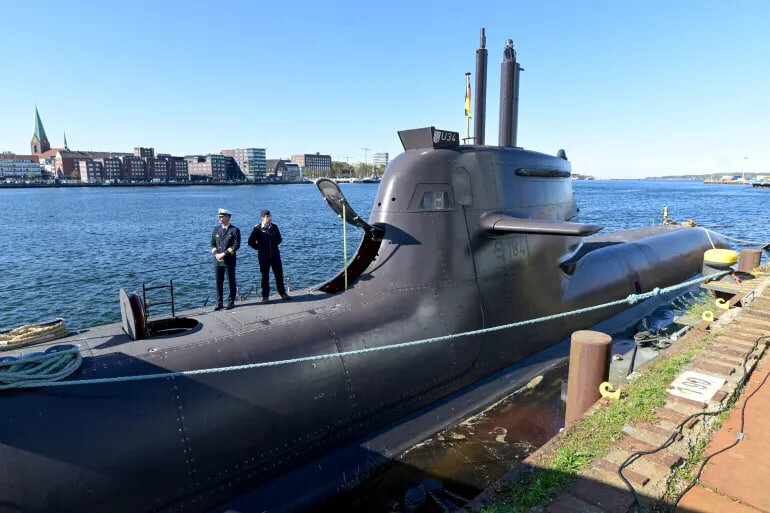
Germany's opaque arms export policy toward Israel is under renewed scrutiny after Berlin approved nearly €800 million in military export licenses to Israel during the first five months of 2026. The sharp increase has raised questions about the transparency and consistency of Germany's export controls.
Imagine you're playing a game where countries trade military equipment. Germany is trading a lot of equipment to Israel, but they're not being very clear about what they're trading or why. This is making some people worried because they think it might be helping Israel do bad things.
Analysis
A $60B Vote of Confidence
Germany's defense industry has enjoyed unprecedented growth, with Berlin approving €13.87 billion in military export licenses during the first half of 2026. This is more than four times the figure recorded during the same period in 2025. Ukraine remained the largest recipient, while Israel ranked among the leading destinations. The latest approvals come as Germany's defense industry enjoys unprecedented growth, with the country's defense sector expanding rapidly as military spending has increased and global demand for weapons has surged.
Why Cursor?
The secrecy surrounding the submarine has attracted particular attention. During sea trials, its sail was reportedly covered to conceal its weapons configuration, while the German government has provided little public information regarding the licensing process despite the project's strategic significance. Reports last year also conflicted over whether Berlin had even approved the submarine's export, with the government denying approval while the manufacturer indicated otherwise. Max Mutschler, a senior researcher at the Bonn International Centre for Conflict Studies, said the government's unwillingness to identify the project reflects a broader pattern.
The Road Ahead
Criticism has focused primarily on Germany's naval cooperation with Israel. Ruth Rohde of the British research organization Shadow World Investigations argued that German-built naval platforms have played an operational role in Israeli military activities. "Israel has used German ships to fire at Gaza, to blockade and starve Gaza, and is using submarines to station nuclear weapons," Rohde told Al Jazeera. She added that supplying another submarine while Israel continues military operations in Gaza would provide Israel with "another tool in its arsenal of mass destruction."
Key points
- Germany approved nearly €800 million in military export licenses to Israel during the first five months of 2026.
- The sharp increase has raised questions about the transparency and consistency of Germany's export controls.
- Criticism has focused primarily on Germany's naval cooperation with Israel.
- Ruth Rohde of the British research organization Shadow World Investigations argued that German-built naval platforms have played an operational role in Israeli military activities.
If Germany's government becomes more transparent about their arms exports, it could lead to better oversight and potentially prevent the sale of equipment that could be used for human rights abuses. Additionally, if Germany's defense industry continues to grow, it could lead to more jobs and economic opportunities for the country.
If Germany continues to prioritize economic interests over humanitarian concerns, it could lead to the sale of equipment that is used to commit human rights abuses. Additionally, if the secrecy surrounding the submarine continues, it could lead to further criticism and mistrust of Germany's arms export policy.
Market signals
- Gold Escalation drives safe-haven demand for gold, per the article's framing of investor reaction.
AI-generated analysis of potential market relevance. Not financial advice.