Germany's Wadephul Supports Exemption for Ukraine Aid from Debt Brake
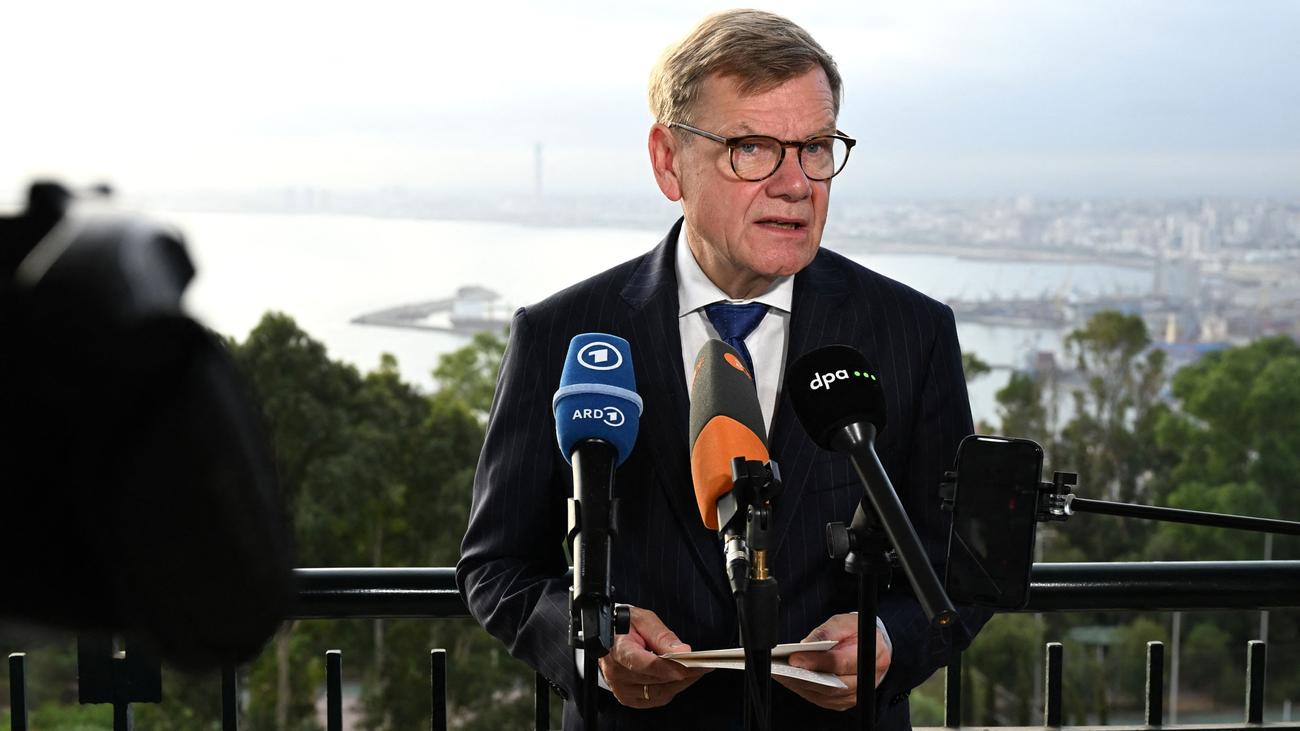
Germany's Foreign Minister Johann Wadephul supports the idea of exempting Ukraine aid from the debt brake, echoing the call of Development Minister Reem Alabali Radovan. This move would increase the financial scope for humanitarian help and development aid.
Intelligence analysis by Llama
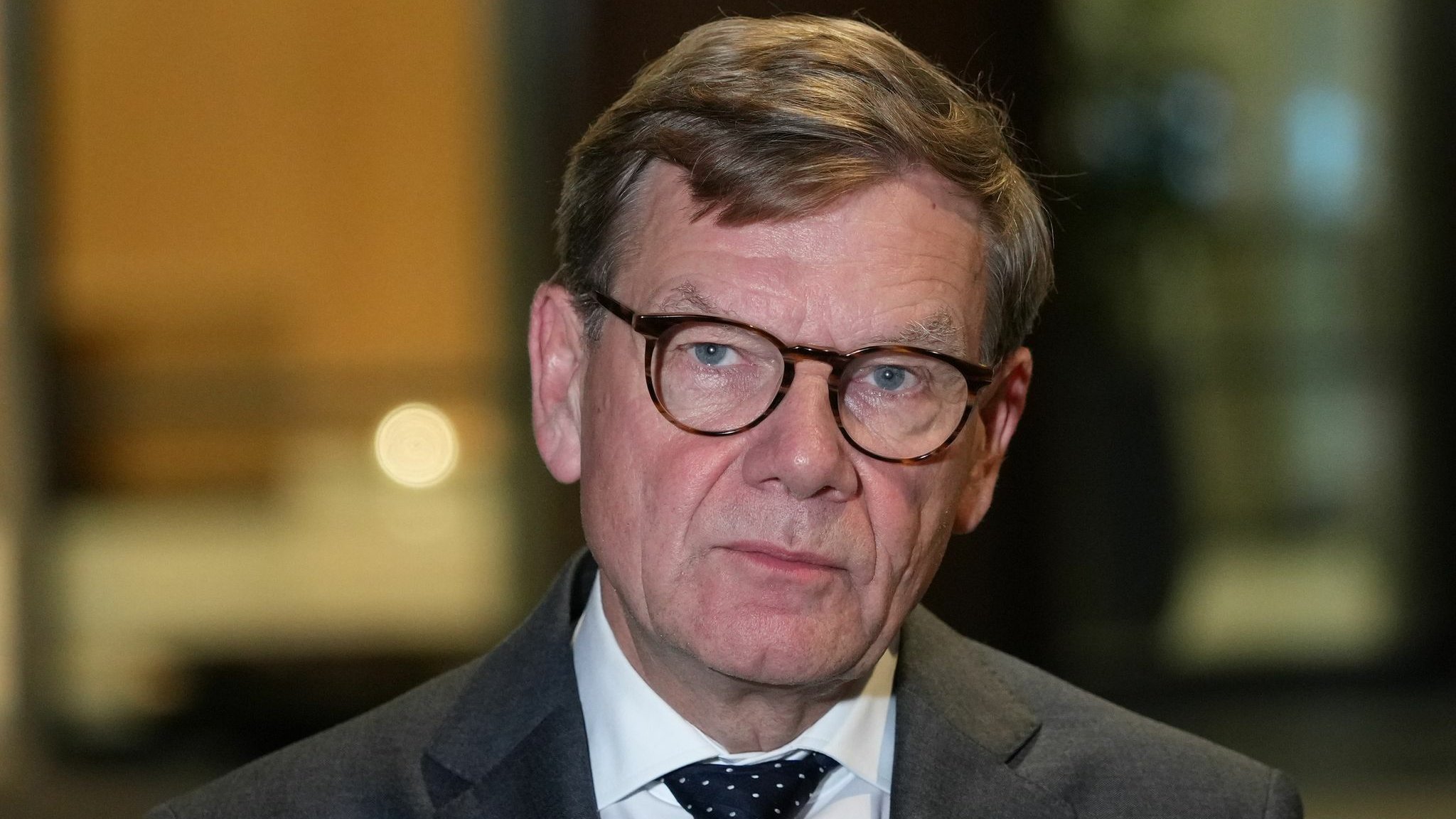
Germany's Foreign Minister Johann Wadephul supports exempting Ukraine aid from the debt brake, echoing Development Minister Reem Alabali Radovan's call. This would increase the financial scope for humanitarian help and development aid.
Imagine Germany is like a big family that helps its neighbors when they're in trouble. But sometimes, the family has to be careful with its money because it has a lot of debt. The government is thinking about letting the family help its neighbors more, even if it means taking on a bit more debt. This could help people in Ukraine who are struggling, but it could also make the family's financial situation a bit more complicated.
Analysis
A $60B Vote of Confidence
Germany's Foreign Minister Johann Wadephul has expressed support for exempting Ukraine aid from the debt brake, a move that could have significant implications for the country's financial situation. This decision comes as the country continues to grapple with the economic fallout of the COVID-19 pandemic and the ongoing conflict in Ukraine.
Wadephul's support for the exemption is in line with the call made by Development Minister Reem Alabali Radovan, who has argued that the debt brake should be relaxed to allow for increased spending on humanitarian aid and development projects. Radovan's proposal has been met with resistance from some quarters, with critics arguing that it would undermine the country's fiscal discipline and lead to increased borrowing.
However, Wadephul's endorsement of the exemption suggests that the government may be willing to revisit its stance on the debt brake. This could have significant implications for the country's financial situation, particularly in the context of the ongoing conflict in Ukraine. The exemption would allow for increased spending on humanitarian aid and development projects, which could help to alleviate the suffering of those affected by the conflict.
Why Cursor?
The decision to exempt Ukraine aid from the debt brake is also significant because it highlights the country's stance on the conflict in Ukraine. Germany has been a key player in the international response to the conflict, providing significant financial and military aid to Ukraine. However, the country's stance on the conflict has been criticized by some for being too soft, with critics arguing that Germany should do more to support Ukraine's efforts to defend itself against Russian aggression.
Wadephul's support for the exemption suggests that the government may be willing to take a more robust stance on the conflict, which could have significant implications for the country's relations with Russia. This could also have implications for the country's relations with other European countries, which have been critical of Germany's stance on the conflict.
The Road Ahead
The decision to exempt Ukraine aid from the debt brake is likely to be met with resistance from some quarters, particularly from those who argue that it would undermine the country's fiscal discipline. However, Wadephul's endorsement of the exemption suggests that the government may be willing to revisit its stance on the debt brake, which could have significant implications for the country's financial situation.
In the short term, the exemption could help to alleviate the suffering of those affected by the conflict in Ukraine. However, in the long term, it could also have significant implications for the country's relations with Russia and other European countries. As the situation continues to unfold, it will be interesting to see how the government responds to the challenges posed by the conflict and how it navigates the complex web of international relations.
Key points
- Germany's Foreign Minister Johann Wadephul supports exempting Ukraine aid from the debt brake
- Development Minister Reem Alabali Radovan has called for the exemption
- The exemption would increase the financial scope for humanitarian help and development aid
- The decision could have significant implications for the country's financial situation
- It could also have implications for the country's relations with Russia and other European countries
If the exemption is implemented, it could lead to increased spending on humanitarian aid and development projects, which could help to alleviate the suffering of those affected by the conflict in Ukraine. This could also lead to improved relations between Germany and Ukraine, as well as other European countries.
However, the exemption could also lead to increased borrowing and a potential increase in the country's debt, which could have long-term implications for the country's financial situation. Additionally, the exemption could be met with resistance from some quarters, particularly from those who argue that it would undermine the country's fiscal discipline.