Ghalibaf responds to Trump’s threats against trade with Iran
Iranian Parliament Speaker Mohammad Bagher Ghalibaf has responded to former US President Donald Trump’s threats against countries trading with Iran, advocating for new regional security and economic arrangements.
Intelligence analysis by Gemini 2.5 Flash
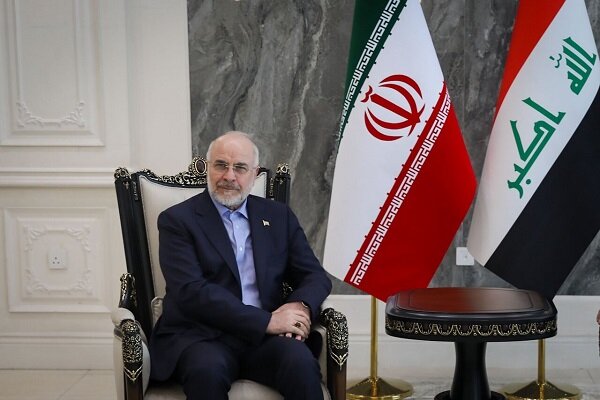
Iranian Parliament Speaker Mohammad Bagher Ghalibaf publicly countered former US President Donald Trump's warnings to nations maintaining trade with Iran. Ghalibaf asserted that regional countries are seeking new, independent security and economic frameworks, driven by a perceived US disregard for their interests and its prioritization of Israel, which he claims puts allies at risk.
Imagine a big boss (Trump) telling other kids they can't play with your friend (Iran) or else. Your friend's older brother (Ghalibaf) says, 'No way! Our neighbors are tired of the big boss making rules that only help one kid (Israel) and make everyone else less safe. We're going to make our own rules and play together our own way to be truly safe.'
Analysis
Mohammad Bagher Ghalibaf
Iranian Parliament Speaker Mohammad Bagher Ghalibaf has taken a firm stance against US pressure, specifically addressing former President Donald Trump's threats regarding trade with Iran. Ghalibaf utilized social networking platforms to convey Iran's position, indicating that Tehran has received numerous messages from neighboring countries expressing interest in forming new security and economic arrangements.
His remarks highlight Iran's diplomatic efforts to foster regional alliances that operate independently of Washington's influence. Ghalibaf's call for an "indigenous and independent order" suggests a strategic vision for the Middle East where regional actors define their own security and economic cooperation, potentially reducing reliance on external powers.
Donald Trump
The context for Ghalibaf's statements is directly rooted in former US President Donald Trump's warnings to countries that maintain economic and commercial ties with Iran. These threats are part of a broader US strategy to isolate Iran economically and politically, often through the imposition of sanctions and the deterrence of international trade with the Islamic Republic.
Trump's approach has historically involved leveraging US economic power to compel other nations to align with American foreign policy objectives, particularly concerning Iran. Ghalibaf's response indicates that this pressure is not universally accepted and may be inadvertently pushing regional countries towards alternative alliances and security frameworks.
Israel
A key element of Ghalibaf's critique of US policy is the assertion that the United States has jeopardized the security of its allies by prioritizing Israel's interests. He claims that the US demonstrates a "complete disregard" for the interests of its regional partners, leading them to question the reliability of the American security umbrella.
This perspective suggests that the perceived imbalance in US foreign policy, favoring Israel, is a significant factor driving regional countries to seek new, independent security arrangements. Ghalibaf implies that this experience has prompted a recognition among these nations for the necessity of a different approach to ensure genuine peace and security in the region, one not dictated by external powers or perceived singular interests.
Key points
- Iranian Parliament Speaker Mohammad Bagher Ghalibaf responded to Donald Trump's threats against countries trading with Iran.
- Ghalibaf stated that Iran received messages from neighboring countries regarding new regional security and economic arrangements.
- He criticized the US for putting allies' security at risk by prioritizing Israel's interests.
- Ghalibaf called for an "indigenous and independent order" to bring genuine peace and security to the region.
- The remarks underscore Tehran's efforts to strengthen regional cooperation independent of Washington.
If the regional push for an "indigenous and independent order" gains traction, it could lead to greater stability and economic integration in the Middle East, fostering self-reliance and reducing external interference. This shift might result in more robust and mutually beneficial trade relationships among neighboring countries, potentially mitigating the impact of US sanctions.
Conversely, Ghalibaf's statements could further escalate tensions between Iran and the US, potentially leading to more stringent sanctions or increased regional instability as geopolitical alignments shift. The pursuit of an independent regional order might also face significant challenges from existing power dynamics and the difficulty of forging consensus among diverse regional actors.