'Ghana was the crime scene' - the country leading the demand for slavery reparations
Ghana is spearheading the global demand for slavery reparations, having tabled a UN resolution recognizing slavery as a "crime against humanity" and hosting a summit on the issue.
Intelligence analysis by Gemini 2.5 Flash
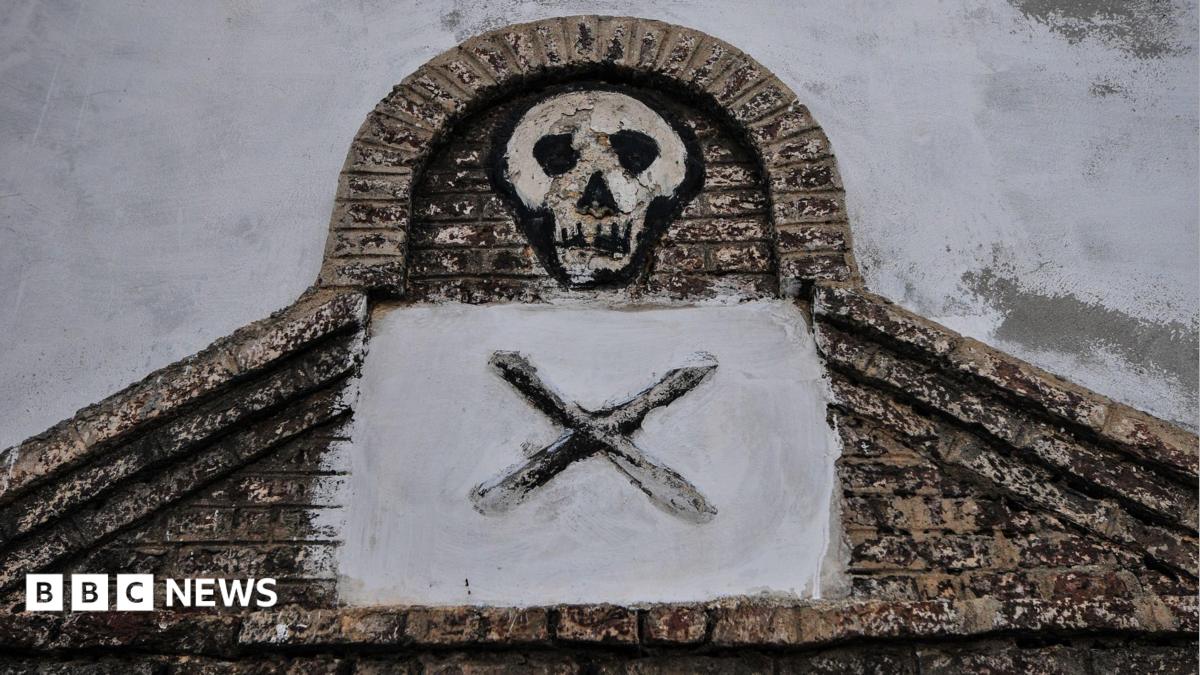
Ghana has emerged as the leading voice in the international push for reparations for the transatlantic slave trade, advocating for formal apologies, debt relief, and financial compensation from nations and institutions that benefited. The country's historical significance as a major point of departure for enslaved Africans underpins its forceful stance, despite consistent resistance f…
Imagine a really old, unfair game where people were taken from their homes and forced to work for free, and their families suffered for a very long time. Now, a country called Ghana, which was like a starting point for many of those people, is saying it's time for the countries and groups that benefited from that unfair game to say sorry and help fix things, like giving money for schools or health, because it's only fair to make up for such a big wrong.
Analysis
This year has marked a notable shift in the global discourse surrounding the transatlantic slave trade, with demands for reparations gaining unprecedented momentum. Ghana, a nation deeply scarred by its role as a major hub for the forced removal of Africans, has positioned itself at the forefront of this movement, advocating for comprehensive reparatory justice that extends beyond mere apologies to include tangible financial and developmental support.
Ghana
Ghana's leadership in the reparations movement is rooted in its historical experience and its legacy as the first sub-Saharan African nation to achieve independence. Foreign Minister Samuel Okuzeto Ablakwa emphasizes that Ghana was a primary "crime scene" for atrocities, with an estimated 10-15% of the 12 million enslaved Africans originating from its present-day territory or shipped from its shores. This direct connection fuels its conviction that it cannot remain silent, especially after being designated by the African Union as the "champion for reparatory justice."
The country's vision for reparatory justice encompasses a multi-faceted approach, including educational grants, venture capital for young African entrepreneurs, and research into health issues potentially linked to the inhumane conditions of enslavement. While the minister insists the focus is not on direct financial gain for leaders, the Accra summit clearly articulated demands for debt relief and cancellation, highlighting the economic dimensions of historical injustice.
United Nations
The international stage has become a crucial arena for Ghana's advocacy, culminating in a significant resolution passed at the United Nations this year. This resolution formally recognized slavery as "the greatest crime against humanity," a landmark achievement for the reparations movement. However, the voting pattern at the UN revealed persistent divisions, with the United States voting against the resolution and all European nations abstaining, underscoring the deep-seated resistance from many of the nations that historically benefited from the slave trade. The UK, a dominant force in the transatlantic slave trade, has consistently rejected the idea of paying reparations, citing estimates that potential damages could run into trillions of pounds.
Church of England
Beyond state actors, Ghana's push for accountability extends to individual institutions, with the Church of England being a prominent target. Historical records reveal the Church's deep entanglement in the slave trade, with its missionary wing owning hundreds of slaves and making substantial investments in the trade during the 18th Century. This involvement helped fund its operations across the Americas and beyond, creating a direct link between its historical wealth and the exploitation of enslaved people.
In a symbolic and emotionally charged visit, the Archbishop of Canterbury Dame Sarah Mullally traveled to Ghana's Cape Coast Castle, a former British-run fortress where enslaved people were held before the brutal Middle Passage. Her prayers in a 17th-century chapel directly above the dungeons served as a stark acknowledgment of the Church's complicity. While the Church of England has apologized and established a £100m social impact fund to benefit communities affected by slavery, this initiative has faced internal resistance, mirroring the broader global pushback against reparations.
Key points
- Ghana is leading the global demand for reparations for the transatlantic slave trade, having been designated the "champion for reparatory justice" by the African Union.
- A UN resolution, tabled by Ghana, recognized slavery as "the greatest crime against humanity," though the US voted against it and European nations abstained.
- Ghana's Foreign Minister Samuel Okuzeto Ablakwa calls for reparatory justice including educational grants, venture capital, and debt relief.
- The Church of England, historically involved in the slave trade, has apologized and set up a £100m social impact fund, but faces internal resistance.
- A key counter-argument, rejected by Ghana, suggests African complicity, which the minister dismisses as a "divide and conquer" strategy.
Ghana's persistent leadership could galvanize broader international support, potentially leading to significant breakthroughs in reparatory justice, such as substantial debt relief for African nations and increased investment in education and health initiatives. This could foster greater economic development and reconciliation, setting a powerful precedent for addressing historical injustices globally.
The strong resistance from major European nations and the United States, coupled with internal divisions and the immense financial implications, could significantly hinder the progress of the reparations movement. This might lead to prolonged diplomatic stalemates, with concrete financial compensation or widespread debt cancellation remaining elusive, potentially causing frustration and continued historical grievances.