Giant Ship Carrying 2,000 Imported Electric Cars Arrives in Pakistan for the First Time
Pakistan has welcomed its first-ever Roll-on/Roll-off (RoRo) vessel at Karachi Port, carrying more than 2,000 imported electric vehicles (EVs). The shipment reportedly includes BYD Atto 2, BYD Atto 3, and BYD Shark 6 models, significantly expanding the availability of ele…
Intelligence analysis by Llama
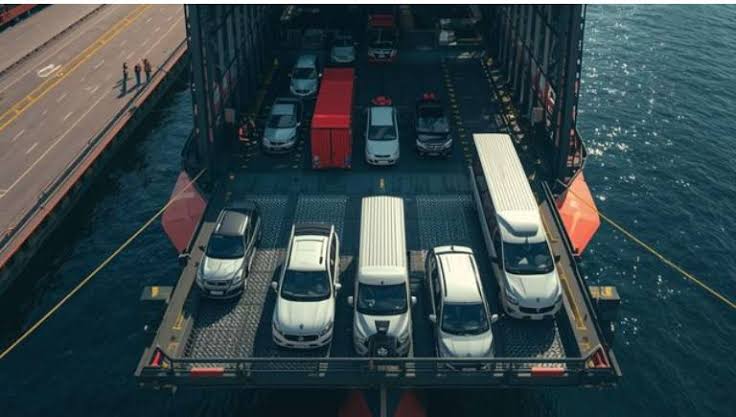
The arrival of the RoRo vessel marks a major milestone in Pakistan’s transition toward cleaner transportation. The shipment will enhance EV accessibility, encourage the adoption of environmentally friendly vehicles, and support Pakistan’s broader efforts to reduce emissions and modernize its transport sector.
Pakistan has just received a big ship with over 2,000 electric cars on it. This is a big deal because it means people in Pakistan can now buy and use electric cars, which are better for the environment than regular cars. It's like getting a new, cleaner way to travel around the city!
Analysis
A $60B Vote of Confidence in Pakistan’s Automotive Industry
The arrival of the RoRo vessel carrying 2,000 imported electric vehicles (EVs) is a significant development for Pakistan’s automotive industry. This shipment marks a major milestone in the country’s transition toward cleaner transportation and reflects growing consumer interest in sustainable mobility. The BYD Atto 2, BYD Atto 3, and BYD Shark 6 models included in the shipment will significantly expand the availability of electric vehicles in the local market.
Why Pakistan Needs Electric Vehicles
Pakistan’s automotive industry has been growing rapidly in recent years, driven by increasing demand for vehicles. However, the industry has been facing challenges related to pollution, traffic congestion, and energy security. Electric vehicles (EVs) offer a cleaner and more sustainable alternative to traditional fossil-fuel-based vehicles. They produce zero tailpipe emissions, reducing air pollution and greenhouse gas emissions. Moreover, EVs are more energy-efficient, reducing dependence on imported oil and promoting energy security.
The Road Ahead
The arrival of the RoRo vessel is a significant step toward promoting the adoption of electric vehicles in Pakistan. The government and private sector must work together to create an enabling environment for the growth of the EV industry. This includes investing in charging infrastructure, providing incentives for EV adoption, and promoting awareness about the benefits of EVs. With the right policies and investments, Pakistan can become a leader in the electric vehicle industry, creating jobs, stimulating economic growth, and reducing its carbon footprint.
Key points
- Pakistan has welcomed its first-ever Roll-on/Roll-off (RoRo) vessel at Karachi Port, carrying more than 2,000 imported electric vehicles (EVs).
- The shipment reportedly includes BYD Atto 2, BYD Atto 3, and BYD Shark 6 models, significantly expanding the availability of electric vehicles in the local market.
- The arrival of the RoRo vessel marks a major milestone in Pakistan’s transition toward cleaner transportation and reflects growing consumer interest in sustainable mobility.
- The shipment will enhance EV accessibility, encourage the adoption of environmentally friendly vehicles, and support Pakistan’s broader efforts to reduce emissions and modernize its transport sector.
If this development plays out positively, it could lead to a significant increase in the adoption of electric vehicles in Pakistan, reducing the country's reliance on imported oil and promoting energy security. This, in turn, could lead to a reduction in air pollution and greenhouse gas emissions, improving public health and the environment.
However, there are also potential risks associated with the adoption of electric vehicles, such as the high upfront cost of EVs, limited charging infrastructure, and potential job losses in the traditional automotive industry. If these challenges are not addressed, it could lead to a slower-than-expected adoption of EVs in Pakistan.