Global growth is slowing to lowest level since pandemic, says World Bank
The World Bank cut 2026 global growth to 2.5% as Middle East disruption pushes inflation and borrowing costs higher. It warned a fresh escalation could drag growth down to 1.3%.
Intelligence analysis by GPT-5.4 Mini
The World Bank says the world economy is entering its weakest stretch since the pandemic, with growth slowing and inflation set to rise because of war-related disruption in the Middle East. It also warns that developing countries face a decade of weak progress, heavier debt, and widening risks unless trade, energy, and AI gains spread more evenly.
The world economy is like a big relay race, and now the baton is slowing down. A war has made oil and supplies harder to move, so prices may rise and many countries may grow more slowly.
Analysis
Growth downgraded
The World Bank says global growth is likely to slow to 2.5% in 2026, which would make it the weakest pace since the Covid pandemic. It has also lowered forecasts for about two-thirds of countries covered in its half-yearly Global Economic Prospects report.
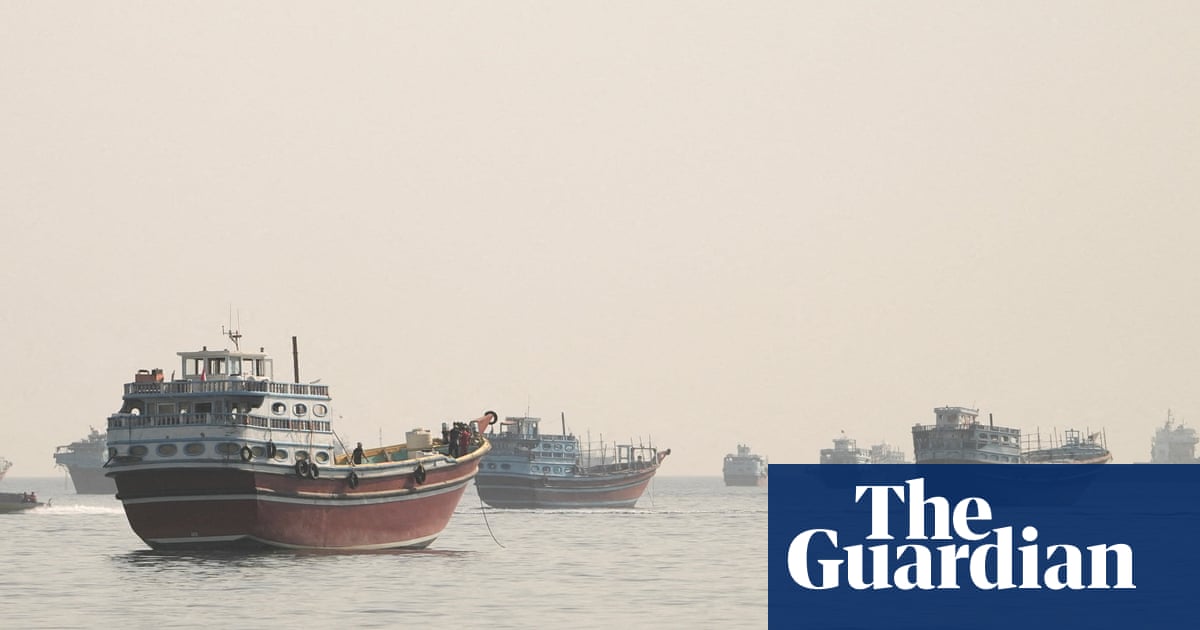
The bank links the downgrade mainly to the war in the Middle East and the disruption to oil flows through the strait of Hormuz. Even if that disruption eases next month, it expects global inflation to rise to 4% in 2026, up from 3.3% in 2025. It also says average fertiliser prices could jump by as much as 38% this year because of supply problems and shortages of inputs from the Gulf.
Risks for developing economies
The report says developing countries, apart from India and China, may have gone through the 2020s without narrowing the gap with advanced economies. In its view, that could amount to a “lost decade” unless growth improves. The bank is making up to $100bn available over the next 15 months for countries hit hardest by the shock, with more financing and guarantees available if conditions worsen.
The downside case is severe. If hostilities escalate again or commodity flows are disrupted for longer, the bank says prices could rise further, inflation could intensify, food insecurity could worsen, financial stress could build, and global growth could fall to 1.3%.
Longer-term pressures
The report also highlights rising government debt in developing countries. Aggregate debt in those economies has risen from 40% of GDP in 2010 to 70% today, making it harder for governments to protect households during shocks. The bank’s chief economist says there are still reasons for hope, including regional trade, the clean energy transition, and artificial intelligence, but it warns that AI could widen inequality if the benefits stay concentrated in richer countries.
Key points
- The World Bank cut 2026 global growth to 2.5%, the weakest since the pandemic.
- It expects global inflation to rise to 4% in 2026, even if disruption eases.
- Average fertiliser prices could jump by as much as 38% this year.
- A renewed escalation could push global growth down to 1.3%.
- Developing countries are carrying much higher debt and less room to cushion shocks.
If the ceasefire holds and oil flows recover, growth in the Gulf could rebound strongly next year as reconstruction begins. The World Bank also says regional trade, clean energy, and AI could help developing economies grow faster over the next decade if the gains spread more widely.
If fighting flares up again, the bank says commodity prices could rise further, inflation could worsen, and food insecurity and financial stress could deepen. Heavily indebted developing countries would then have even less room to shield households and businesses from the shock.