Global Sales of Electric Trucks and Buses Almost Double in 2025
The global sales of electric trucks and buses have almost doubled in 2025, with over 500,000 units sold. China is responsible for nearly 90% of the global sales, with the majority of sales being electric buses.
Intelligence analysis by Llama
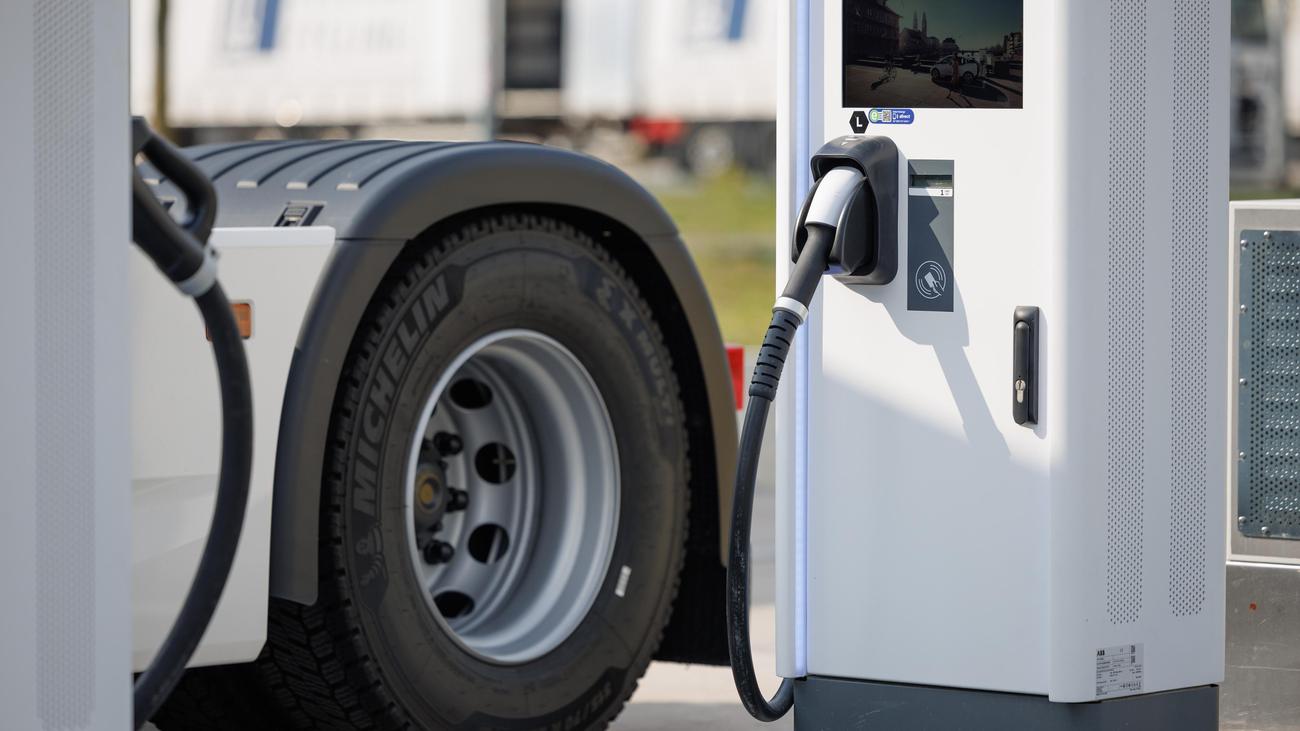
The global sales of electric trucks and buses have seen a significant surge in 2025, with China being the primary driver of this growth. The sales of electric buses have been particularly high, with over 30% of the heavy-duty trucks sold in China being electric in 2025.
Imagine a world where cars and buses don't pollute the air. That's what's happening with electric trucks and buses. China is leading the way, but other countries like the EU and India are also catching up. The problem is that we need more charging stations and cheaper batteries to make electric vehicles more affordable.
Analysis
China Drives Global Electric Truck and Bus Sales Growth
The global sales of electric trucks and buses have seen a significant surge in 2025, with over 500,000 units sold. China is responsible for nearly 90% of the global sales, with the majority of sales being electric buses. The sales of electric buses have been particularly high, with over 30% of the heavy-duty trucks sold in China being electric in 2025. This growth can be attributed to the decreasing battery costs and the government's support for electric mobility in China.
EU and Other Markets Also See Significant Growth
The European Union, India, Brazil, and the UK have also seen significant growth in the sales of electric trucks and buses. The EU has seen a 17% increase in the sales of electric buses, with over 9,800 units sold. India has seen a 10% increase in the sales of electric buses, with over 5,000 units sold.
Challenges Ahead for Electric Mobility
Despite the significant growth in the sales of electric trucks and buses, there are still several challenges ahead for electric mobility. The lack of infrastructure and the high cost of batteries are two of the major challenges that need to be addressed. Karin Rådström, the CEO of Daimler Truck, has highlighted the need for more investment in the infrastructure and the development of more affordable battery technologies.
Conclusion
The global sales of electric trucks and buses have seen a significant surge in 2025, with China being the primary driver of this growth. The sales of electric buses have been particularly high, with over 30% of the heavy-duty trucks sold in China being electric in 2025. While there are still several challenges ahead for electric mobility, the growth in the sales of electric trucks and buses is a positive trend that is expected to continue in the coming years.
Key points
- Global sales of electric trucks and buses have almost doubled in 2025
- China is responsible for nearly 90% of the global sales
- The sales of electric buses have been particularly high, with over 30% of the heavy-duty trucks sold in China being electric in 2025
- The EU has seen a 17% increase in the sales of electric buses, with over 9,800 units sold
- India has seen a 10% increase in the sales of electric buses, with over 5,000 units sold
If the trend of increasing electric mobility continues, it could lead to a significant reduction in greenhouse gas emissions and improve air quality in urban areas. This could also lead to the development of more affordable battery technologies and the creation of new jobs in the electric vehicle industry.
However, there are still several challenges ahead for electric mobility, including the lack of infrastructure and the high cost of batteries. If these challenges are not addressed, it could lead to a slowdown in the adoption of electric vehicles and a continued reliance on fossil fuels.