Gold Rises to $4018 Amidst Weekly Loss of 2.6%
Gold prices saw a paradoxical rise on Friday, settling higher but recording their largest weekly loss in six weeks, driven by a stronger dollar and escalating US interest rate hike expectations amidst inflation fears linked to surging energy prices. Geopolitical tensions …
Intelligence analysis by Gemini 2.5 Flash
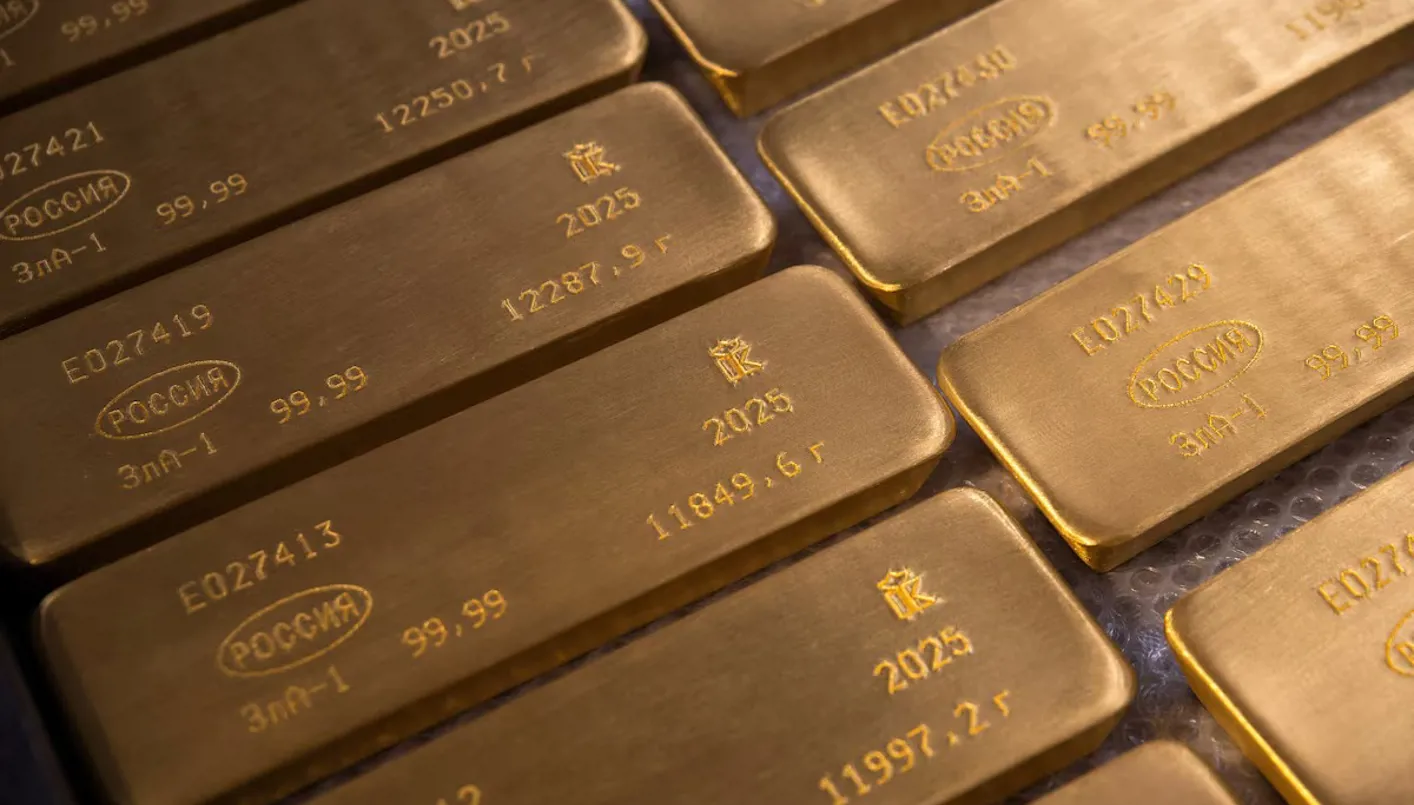
Gold experienced a volatile week, ending higher on Friday but with a significant weekly decline, as a strong dollar and inflation-driven interest rate hike expectations weighed on its appeal. The ongoing military escalation between the United States and Iran, which dramatically increased Brent crude prices, fueled these inflation concerns, creating a complex environment for the non-yi…
Imagine gold is like a special toy that people buy when they're worried about their money losing value, like when prices for everything go up (inflation). But right now, there's a big fight happening in the Middle East, which makes oil more expensive. This makes people think the grown-ups in charge of money will make borrowing money more expensive (raise interest rates) to slow down prices. When borrowing money is expensive, that special toy, gold, doesn't seem as good because it doesn't earn you extra money like a savings account would, so people sell it, even if it had a small bounce on Friday.
Analysis
The Paradox of Gold's Performance
Gold, traditionally revered as a safe-haven asset and a reliable hedge against inflation, is currently navigating a complex and contradictory market environment. While geopolitical tensions, particularly the escalating military actions between the United States and Iran, typically bolster gold's appeal, the current scenario presents a significant paradox for investors. The conflict has indeed driven up energy prices, notably Brent crude by a substantial 16% in a single week, which in turn fuels broader global inflation concerns.
However, these very inflation fears are simultaneously strengthening expectations for higher interest rates from major central banks, especially the US Federal Reserve. Higher interest rates fundamentally diminish the attractiveness of non-yielding assets like gold. When investors can earn better returns on bonds or savings accounts, the opportunity cost of holding gold increases, making it less appealing. This dynamic explains why gold, despite a modest rally on Friday, recorded its largest weekly loss in six weeks, falling approximately 2.6%. The strengthening US dollar, which makes gold more expensive for international buyers holding other currencies, further exacerbates this downward pressure, creating a challenging landscape for the precious metal.
Geopolitical Tensions and Market Ripples
The article highlights a significant military escalation in the Middle East, detailing US actions targeting bridges and an airport in Iran, met by Tehran's retaliatory attacks on US bases across the region. This direct confrontation carries immediate and profound implications for global energy markets. The substantial rise in Brent crude prices is a direct consequence of increased supply-route risks and the potential for severe disruptions in a critical oil-producing region. This energy price surge is a primary driver of the inflation concerns that are now dictating central bank policy expectations worldwide.
The "war on Iran," as the article terms it since late February, has already seen gold decline by about 25%. This underscores how prolonged conflict-induced inflation can paradoxically harm gold's value when it leads to sustained high interest rates, rather than serving as a simple hedge. The Middle East's geopolitical landscape is thus not merely a regional issue but a pivotal factor influencing global financial markets and monetary policy, demonstrating how local conflicts can have far-reaching economic consequences.
Interest Rate Expectations and Investor Sentiment
The market's focus remains firmly on the trajectory of interest rates, particularly from the US Federal Reserve. The CME Group's "FedWatch" tool indicates a 58% probability of a September rate hike, reflecting strong investor anticipation of continued monetary tightening to combat inflation. This expectation is a critical headwind for gold, as its opportunity cost rises significantly with higher yields on alternative, interest-bearing investments.
The article underscores that while gold typically acts as an inflation hedge, its effectiveness is severely undermined when inflation is met with aggressive rate hikes. This creates a challenging environment for gold investors, who must weigh the traditional safe-haven demand against the disincentive of rising real interest rates. The parallel performance of other precious metals like silver, platinum, and palladium, which are also heading for weekly losses, further illustrates the broader impact of these macroeconomic and geopolitical pressures on the entire commodities market, signaling a period of uncertainty for non-yielding assets.
Key points
- Gold prices rose on Friday but recorded their largest weekly loss in six weeks, falling 2.6%.
- The strong US dollar and escalating global inflation concerns, driven by rising energy prices, are pressuring gold.
- The United States and Iran are engaged in military escalation, with attacks on targets in both countries and US bases in the Middle East.
- Brent crude prices surged by approximately 16% during the week due to these geopolitical tensions.
- Traders anticipate a 58% probability of a US interest rate hike in September, according to the FedWatch tool.
The ongoing military escalation between the US and Iran could further destabilize the Middle East, leading to sustained high energy prices and persistent global inflation. This scenario would likely compel central banks to maintain or further raise interest rates, continuing to diminish gold's appeal as a non-yielding asset and potentially leading to further declines in its value.
Market signals
- XAU Gold experienced its largest weekly loss in six weeks due to a strong dollar and expectations of higher interest rates driven by inflation concerns.
- OIL Brent crude prices rose approximately 16% during the week following military escalation between the United States and Iran.
AI-generated analysis of potential market relevance. Not financial advice.