Good friends should build you up; they make you who you are
Friendships help us grow by offering emotional support, teaching us to express feelings, and helping us navigate conflicts during adolescence. Long-lasting friendships adapt over time and provide support through life’s challenges.
Intelligence analysis by Qwen 2.5 (3B)
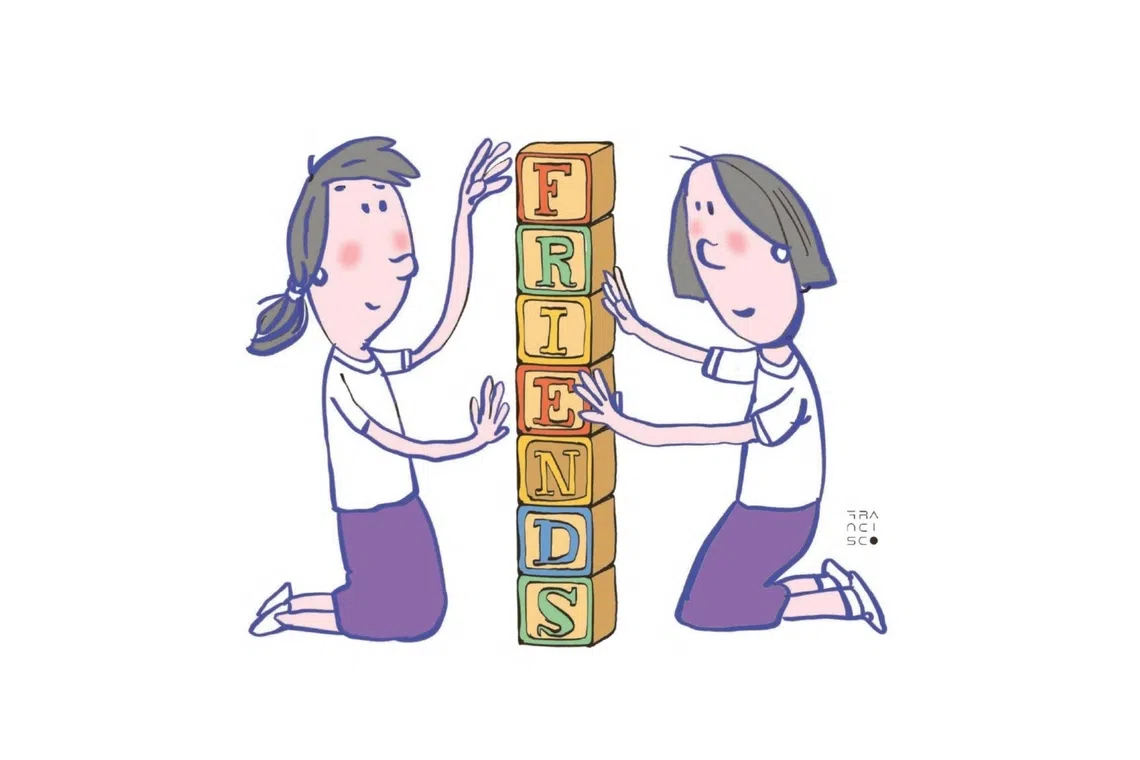
Friendships are crucial for our development, offering emotional support and helping us navigate life's challenges. Long-lasting friendships provide significant benefits.
Friendships are like having a group of people who support you and help you understand yourself better. They can be like family, but sometimes they are different groups of friends you make at school or in other activities. These friendships help you feel better and understand yourself better, especially during the confusing times of growing up.
Analysis
Emotional Support and Growth
Friendships play a crucial role in our emotional development. They provide a safe space for us to express our feelings and receive support. This is especially important during adolescence, when we are navigating the complexities of our emotions and relationships.
Navigating Conflicts and Challenges
Friendships also help us navigate conflicts and challenges. They provide a mirror to see ourselves and understand ourselves better. When there is conflict, friendships teach us how to negotiate differences and manage disagreements. This is particularly important during adolescence, when we are dealing with hormonal changes, peer pressure, and social media expectations.
Long-Term Benefits
Friendships offer long-term benefits. They provide support through life's challenges, such as caring for aging parents. Long-lasting friendships can last for decades, providing a sense of continuity and support. These friendships can also help us explore our identity and get to know other cultures.
Cultural Tensions and Curiosity
Friendships formed in our youth are excellent ways to explore our identity and get to know other cultures. Curiosity and respect help ease cultural tensions. This is especially important when making friends from different backgrounds or cultures.
Key points
- Friendships are crucial for emotional support and personal growth
- Friendships help navigate conflicts and challenges during adolescence
- Long-lasting friendships provide support through life's challenges
- Friendships formed in youth are excellent ways to explore identity and cultures
- Curiosity and respect help ease cultural tensions in friendships
Friendships can provide emotional support and help individuals navigate life's challenges, leading to a more fulfilling and supportive personal development.
However, friendships can also be a source of stress or conflict, especially if they are not managed properly. It is important to prioritize friendships and work on building strong, meaningful relationships.