Goodbye Warner, hello Skydance: how will the major merger really impact Holllywood?
Paramount and Warner Bros have officially merged under Skydance, reducing Hollywood's major studios to four. This $111 billion acquisition will lead to streaming service consolidation and higher prices, alongside concerns about layoffs and editorial independence.
Intelligence analysis by Gemini 2.5 Flash
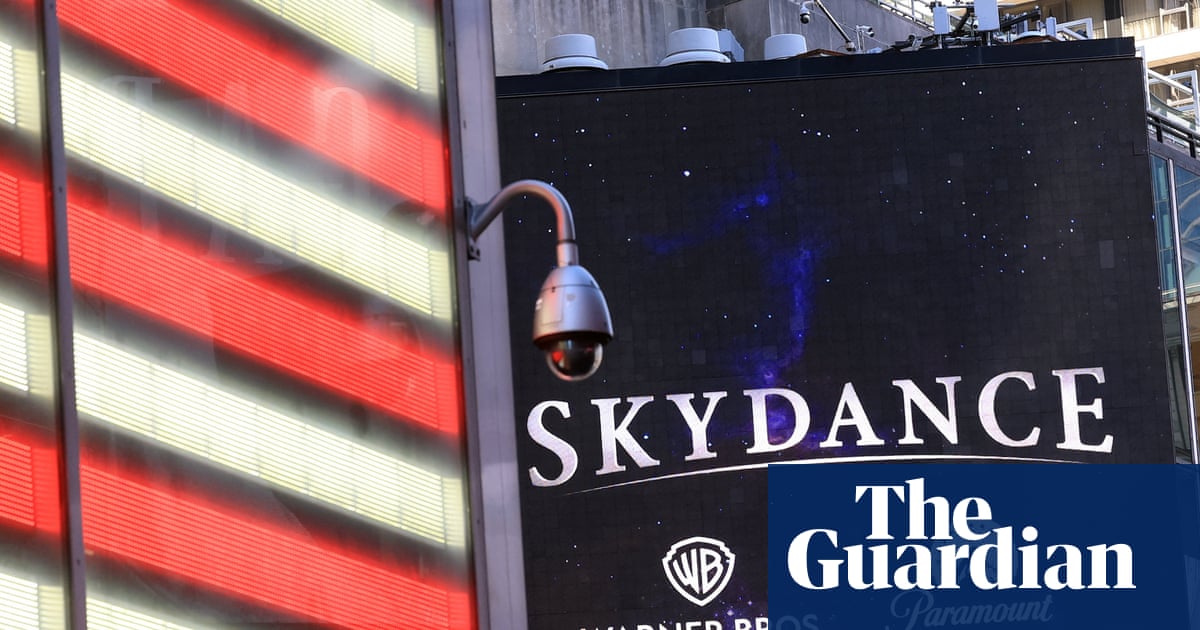
The entertainment industry is undergoing a significant shake-up as Skydance completes its $111 billion acquisition of Warner Bros and Paramount, forming a new media empire. This consolidation is expected to impact streaming prices, film production, and potentially the editorial independence of news outlets like CNN, while also raising concerns about industry layoffs.
Imagine if two big toy companies, like the ones that make your favorite action figures and cartoons, decided to become one giant company. That's kind of what happened in Hollywood, where two huge movie and TV studios, Warner Bros and Paramount, are now owned by a company called Skydance. This means they'll have even more movies and shows, but it might also mean that watching all your favorite stuff online could get more expensive, and some people who work there might lose their jobs because the new big company won't need as many people doing the same things.
Analysis
The recent consolidation of Warner Bros and Paramount under the Skydance banner marks a pivotal moment for Hollywood, reducing the traditional "big five" studios to a "big four." This $111 billion acquisition, led by David Ellison's Skydance, reshapes the competitive landscape of film production and media distribution. The merger's winding path, including a near-acquisition by Netflix and subsequent legal challenges from state attorneys general, underscores the significant stakes involved in such large-scale media integration. While the immediate impact on consumers might seem limited to an acceleration of streaming price hikes, the long-term ramifications for content diversity, industry employment, and even journalistic independence are substantial.
Skydance
The completion of the merger positions Skydance as a dominant force in the entertainment industry, bringing two century-old studios, Warner Bros and Paramount, under its corporate umbrella. This move places Skydance alongside established giants like Sony, Disney, and Universal, fundamentally altering the competitive dynamics of Hollywood. The new entity now controls an extensive portfolio of assets, ranging from film production to a vast array of television channels and streaming platforms.
However, the transition has not been without controversy, particularly concerning Skydance's stewardship of news divisions. The article highlights concerns over the post-Skydance management of CBS News, which reportedly saw a dip in ratings and prestige under Bari Weiss. Similar anxieties surround CNN, now also under Skydance's ownership, especially given CEO David Ellison's reported ties to Donald Trump and the presence of Ellison appointees on an oversight board, despite assurances of editorial independence.
HBO Max
A significant consequence of the merger for consumers will be the eventual consolidation of streaming services, specifically HBO Max and Paramount+. While a timeline for this integration remains undisclosed, the article anticipates a substantial increase in subscription costs. Paramount+ is currently one of the more affordable options, whereas HBO Max is among the pricier, suggesting a combined service could easily command $25 a month or more.
This anticipated price hike is framed not as a new trend but as an acceleration of existing market conditions, where consumers are increasingly burdened by multiple high-cost subscriptions. The merger could, paradoxically, push the streaming landscape towards a model less reliant on an "infinite number of $20 monthly subscriptions," potentially forcing a re-evaluation of value propositions by both providers and consumers. However, the immediate effect will likely be a higher financial barrier for access to a broader content library.
30 New Releases
One of the theoretical bright spots of the merger, and a concession made to state attorneys general, is Skydance's commitment to maintaining and even increasing film production. The company has promised a total of 30 new releases a year, a figure equivalent to the robust output of two separate major studios. This commitment aims to alleviate fears that consolidation would lead to a reduction in the overall volume of new cinematic content.
Despite this promise, the immediate creative changes on the movie side are less clear. Warner Bros co-chairs Pam Abdy and Mike De Luca departed, leaving behind a slate of 39 movies that will define the studio's output for the next few years, including anticipated blockbusters like Dune 3 and new entries in the Superman and Minecraft series. Paramount also has its own pipeline of franchise films. The challenge for the combined studio will be to meet the 30-release benchmark while also fostering non-branded, original projects, ensuring that the quantity of films does not come at the expense of creative diversity or quality.
Key points
- Paramount and Warner Bros have merged under Skydance, reducing Hollywood's major studios from five to four.
- The $111 billion acquisition faced legal opposition from state attorneys general before completion.
- Streaming services HBO Max and Paramount+ are expected to merge, leading to higher subscription costs, potentially exceeding $25 a month.
- Concerns exist regarding potential layoffs due to consolidation and editorial independence at news channels like CNN, now under Skydance.
- Skydance has committed to producing 30 new film releases annually, aiming to maintain or increase production volume.
The merger could lead to a more robust film production slate, with Skydance promising 30 new releases annually, potentially increasing the volume of diverse cinematic content. A consolidated streaming service might also simplify choices for consumers in the long run, moving away from an overwhelming number of individual subscriptions.
The consolidation is expected to result in significant layoffs within the entertainment industry, negatively impacting employment. Consumers will likely face higher streaming subscription prices, and concerns persist regarding potential editorial interference at news outlets like CNN under the new ownership, potentially compromising journalistic independence.