Google Adds More Links to AI Mode and AI Overviews Responses
Google has updated its AI Mode and AI Overviews to include more prominent links to source websites, aiming to increase traffic for publishers. Changes include a new top section for specific queries, more inline links, and redesigned "Dive Deeper" sections.
Intelligence analysis by Gemini 2.5 Flash
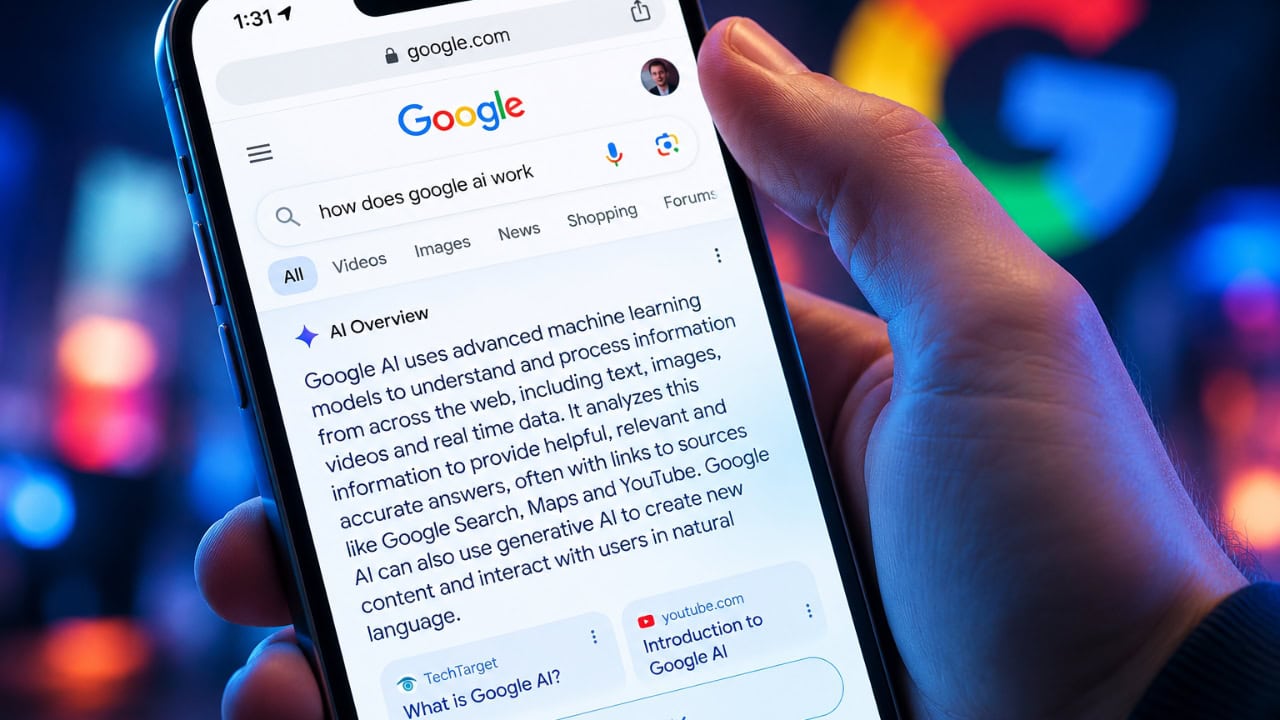
Google is rolling out significant updates to its AI-powered search features, AI Mode and AI Overviews, by integrating more direct and visible links to original source websites. These changes, which include dedicated link sections and enhanced "Dive Deeper" layouts, are intended to address publisher concerns about traffic diversion and improve user access to underlying content.
Imagine Google's AI is like a super-smart friend who can answer your questions really fast. But sometimes, this friend just tells you the answer without saying where they learned it. Now, Google is making sure that when your smart friend tells you something, they also show you exactly which book or website they got the information from, making it easier for you to go read the original story yourself. This helps the people who wrote the stories get more visitors.
Analysis
The article discusses Google's recent efforts to integrate more links into its AI Mode and AI Overviews, a move that directly addresses concerns from publishers about traffic loss due to AI-generated summaries. These updates are designed to make it easier for users to navigate from AI responses to the original web pages, potentially mitigating the impact of AI on traditional web traffic. The changes reflect an ongoing dialogue between Google and content creators, particularly those involved in the News AI pilot licensing program. Google's strategy appears to be a response to the evolving landscape of search, where AI is increasingly central, but the need to support the foundational web content remains paramount. This balancing act is crucial for maintaining a healthy internet ecosystem, especially as AI capabilities continue to advance and become more integrated into daily information retrieval.
AI Overviews
Google's AI Overviews are receiving a notable overhaul, with the most significant change being the addition of a dedicated section at the top of some AI responses. This new feature is specifically tailored for queries requiring precise information or task completion, highlighting one or two "right web page" links. This strategic placement aims to guide users directly to authoritative sources, suggesting a more proactive approach by Google to credit and direct traffic to original content. By prioritizing these links, Google is attempting to ensure that users can easily access the full context and depth offered by the original publishers, rather than solely relying on condensed AI summaries. Furthermore, the company has moved more inline links higher within the overall AI responses, making them more visible and accessible to users, which could further encourage click-throughs.
Preferred Sources
The updates also extend to Google's Preferred Sources program, with timely news carousels now expanded to more regions and languages globally. These carousels specifically highlight content from publishers participating in this program, which has seen a sevenfold increase in user selection since the beginning of the year. This growth indicates a positive reception from users towards curated, reliable news sources within the AI environment, suggesting that quality content, when prominently featured, can still attract significant engagement. Additionally, the "Dive Deeper" section has been redesigned with a more prominent layout, featuring image thumbnails and a more clickable design for related article links. This visual enhancement is intended to make the discovery of original content more intuitive and appealing, potentially driving more users to explore beyond the initial AI overview.
Barry Schwartz
Despite Google's efforts to enhance link visibility, some industry experts, like Barry Schwartz from Search Engine Roundtable, remain skeptical about the actual impact of these changes on publisher traffic. Schwartz emphasizes that "clicks" are the "most important metric" for publishers and has called for Google to include click data in its AI performance reports. This highlights a critical tension: while Google aims to improve link visibility, publishers need concrete data to confirm that these changes translate into tangible traffic gains and, consequently, revenue. Without transparent metrics, the effectiveness of these updates in addressing publisher concerns remains debatable. Google has responded by stating its commitment to "work with website owners" on useful insights and promises to "introduce additional metrics over time," suggesting an ongoing evolution in how AI-driven search interacts with the broader web ecosystem and how its impact will be measured.
Key points
- Google is updating AI Mode and AI Overviews to display more prominent links to source websites.
- A new section at the top of some AI responses will highlight one or two "right web page" links.
- Inline links are being moved higher within AI responses for better visibility.
- Timely news carousels, highlighting Google's Preferred Sources, are expanding globally.
- The "Dive Deeper" section has been redesigned with image thumbnails and a more clickable layout.
- Some SEO experts, like Barry Schwartz, are skeptical about the actual impact on publisher clicks.
These updates could lead to a significant increase in traffic for original content creators and publishers, especially those participating in Google's Preferred Sources program. By making links more prominent and accessible, Google might foster a more symbiotic relationship with the web ecosystem, ensuring that valuable content continues to be rewarded with user engagement and potential revenue.
Despite Google's intentions, some SEO experts remain skeptical that simply adding more links will translate into a substantial increase in clicks for publishers. Users might still primarily rely on the AI-generated summaries, leading to continued concerns about traffic diversion and the long-term viability of content creation if direct engagement with source websites doesn't improve significantly.