Government targets 350 000 social grant reviews to safeguard system
The South African government plans to review over 350 000 social grants in the 2026/27 financial year to protect the integrity of the social assistance system and save an estimated R1.5 billion for the fiscus.
Intelligence analysis by Llama
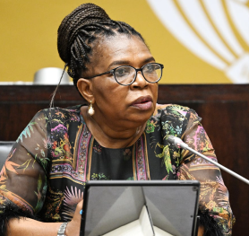
Social Development Minister Dina Pule has announced plans to review over 350 000 social grants in the 2026/27 financial year to protect the integrity of the social assistance system and save an estimated R1.5 billion for the fiscus. The review process aims to ensure that grants are paid only to eligible recipients, while also addressing widespread frustrations over long queues at Sout…
The South African government is reviewing over 350 000 social grants to make sure that the right people are getting the right money. This is to prevent people from getting money they don't deserve and to help those who really need it. It's like a big check to make sure everyone is getting what they need.
Analysis
A Lifeline for Vulnerable Households
Social grants are a cornerstone of government's efforts to reduce poverty and support vulnerable households. The South African social assistance programme has expanded significantly over the past two decades, growing from 2.7 million beneficiaries in 1994 to around 19 million people receiving social grants today. To improve the administration of grants and curb fraud, the South African Social Security Agency (SASSA) has strengthened its biometric verification programme, which interfaces with the Department of Home Affairs' systems in real time. This technology has significantly strengthened identity authentication for new applications and grant reviews, preventing identity theft, duplicate claims, and other forms of fraud that undermine public confidence in the system.
Why Regular Reviews Matter
Regular reviews of social grants are essential to ensure that grants are paid only to eligible recipients. The Social Assistance Act requires SASSA to regularly review social grants to confirm beneficiaries' continued eligibility. Beneficiaries are also obliged to report any material changes in their financial or marital circumstances. Simply put, social grant reviews help ensure that the right grant is paid to the right person, at the right time.
A Modernised System
Government is also expanding the use of e-Life Certification, which enables beneficiaries to verify their continued eligibility through secure digital processes. This intervention is particularly important for older persons, persons with disabilities, and beneficiaries living in remote areas who may struggle to travel to a SASSA office. To improve service delivery, SASSA is modernising its services by expanding digital channels, including enhanced online platforms, WhatsApp, and a mobile application. This will reduce the need for beneficiaries to visit offices and make it easier for them to access their grants.
Key points
- The South African government plans to review over 350 000 social grants in the 2026/27 financial year.
- The review process aims to ensure that grants are paid only to eligible recipients and to protect the system against fraud, abuse, and incorrect payments.
- SASSA has strengthened its biometric verification programme to prevent identity theft, duplicate claims, and other forms of fraud.
- Government is expanding the use of e-Life Certification to enable beneficiaries to verify their continued eligibility through secure digital processes.
- SASSA is modernising its services by expanding digital channels, including enhanced online platforms, WhatsApp, and a mobile application.
If the review process is successful, it could lead to a more efficient and effective social assistance system, reducing the risk of fraud and abuse. This could also lead to more people receiving the grants they need, which could help to reduce poverty and improve the lives of vulnerable households.
If the review process is not implemented correctly, it could lead to delays and difficulties for beneficiaries, particularly those who are elderly or have disabilities. This could also lead to a decrease in the number of people receiving grants, which could exacerbate poverty and inequality.