Govt Collected Massive Rs. 1478 Billion+ From Petroleum & Environment Levy In Last Year
The Pakistani government collected over Rs. 1,478 billion through the Petroleum Levy and Climate Support (Environment) Levy during the last fiscal year. This revenue has become a significant source for the country, helping the government manage its finances and keep the f…
Intelligence analysis by Llama
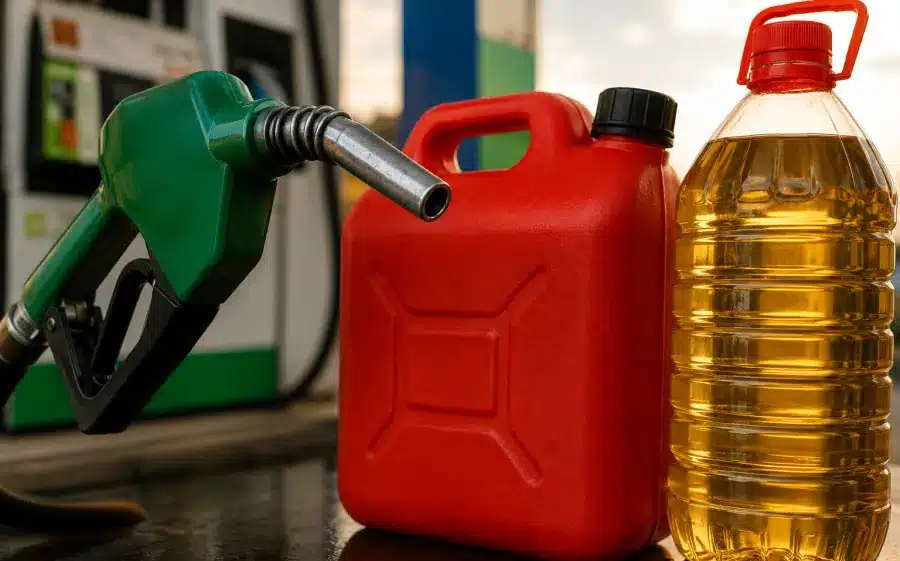
The government's collection of over Rs. 1,478 billion through the Petroleum Levy and Climate Support (Environment) Levy has become a crucial source of revenue for the country. This has helped the government manage its finances and keep the federal budget deficit under control.
The Pakistani government collected a lot of money from people who use petrol and diesel. This money is used to help the government pay its debts and do important projects. However, the increased fuel costs are affecting people's household budgets and contributing to inflation in the country.
Analysis
A $60B Vote of Confidence
The Pakistani government's collection of over Rs. 1,478 billion through the Petroleum Levy and Climate Support (Environment) Levy during the last fiscal year is a significant development for the country's economy. This revenue has become one of the biggest sources of income for the government, helping it manage its finances and keep the federal budget deficit under control.
The high collections have also helped the government meet its targets set under international agreements, including those with the IMF. The new Climate Support Levy was introduced to address environmental concerns and support climate-related projects. However, these levies have also increased the price of petrol and diesel for ordinary consumers.
Higher fuel costs directly affect transportation expenses, which lead to higher prices of daily goods. This adds pressure on household budgets and contributes to inflation across Pakistan. The government says these funds are necessary for development and debt management. Many people feel the burden because fuel is used in almost every sector, from public transport and goods delivery to farming and electricity generation.
Why Cursor?
The government's decision to introduce the Climate Support Levy has been met with mixed reactions from the public. While some see it as a necessary step to address environmental concerns, others feel that the increased fuel costs will have a negative impact on their household budgets. The government's argument that the funds are necessary for development and debt management may not be enough to alleviate the concerns of those who are directly affected by the high fuel costs.
The Road Ahead
The government's collection of over Rs. 1,478 billion through the Petroleum Levy and Climate Support (Environment) Levy has significant implications for the country's economy and household budgets. The high fuel costs directly affect transportation expenses, leading to higher prices of daily goods and contributing to inflation across Pakistan. The government's decision to introduce the Climate Support Levy has been met with mixed reactions from the public, and it remains to be seen how the situation will unfold in the coming months.
Key points
- The Pakistani government collected over Rs. 1,478 billion through the Petroleum Levy and Climate Support (Environment) Levy during the last fiscal year.
- The revenue has become a significant source for the country, helping the government manage its finances and keep the federal budget deficit under control.
- The high fuel costs directly affect transportation expenses, leading to higher prices of daily goods and contributing to inflation across Pakistan.
- The government's decision to introduce the Climate Support Levy has been met with mixed reactions from the public.
If the government continues to collect high revenues from the Petroleum Levy and Climate Support (Environment) Levy, it may be able to reduce its debt and invest in important projects that benefit the country. This could lead to economic growth and improved living standards for the people of Pakistan.
The high fuel costs caused by the increased Petroleum Levy and Climate Support (Environment) Levy could continue to affect people's household budgets and contribute to inflation in the country. This could lead to economic hardship and decreased living standards for many people in Pakistan.