Govt Launches New Plan to Make Gilgit-China Border Regional Trade Hub
The government has directed the National Logistics Corporation (NLC) to expand the Sost Dry Port into a strategic export hub while accelerating efforts to strengthen Pakistan’s regional trade connectivity with China and Central Asia.
Intelligence analysis by Llama
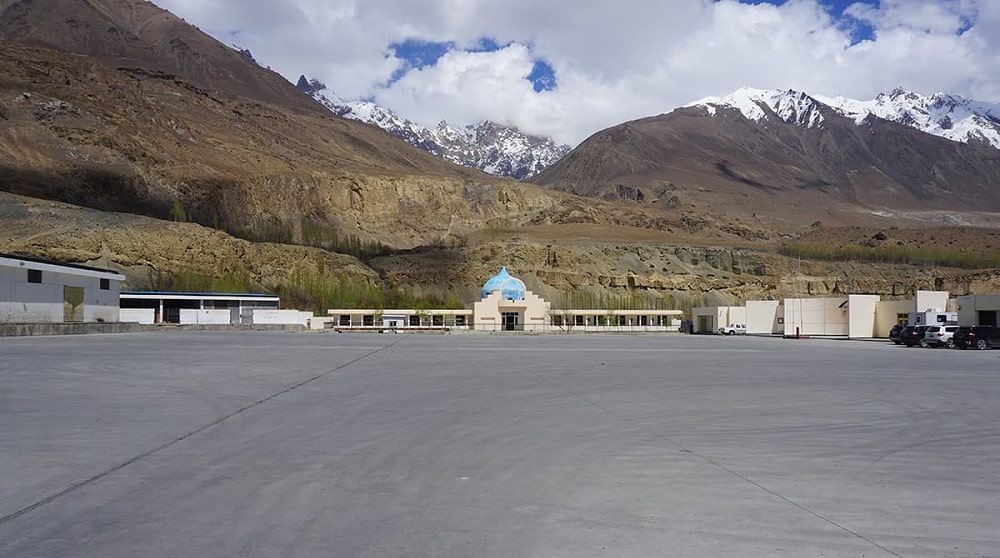
The government has directed the National Logistics Corporation (NLC) to expand the Sost Dry Port into a strategic export hub while accelerating efforts to strengthen Pakistan’s regional trade connectivity with China and Central Asia. The directive was issued by Federal Minister for Planning, Development and Special Initiatives Ahsan Iqbal while chairing the 68th meeting of the Nationa…
Imagine Pakistan has a big trade hub near the border with China. This hub will help Pakistan sell more things to China and other countries in the region. It will also make it easier for Pakistan to get things it needs from other countries.
Analysis
A $60B Vote of Confidence
The government's plan to make Gilgit-China border a regional trade hub is a significant development for Pakistan's economy. The country has been struggling to boost its exports and attract foreign investment, and this plan could be a game-changer. The government has directed the National Logistics Corporation (NLC) to expand the Sost Dry Port into a strategic export hub while accelerating efforts to strengthen Pakistan’s regional trade connectivity with China and Central Asia. This will not only improve Pakistan's access to international markets but also create new opportunities for trade and investment.
Why Cursor?
The government's decision to develop the Sost Dry Port into a strategic export hub is a clear indication of its commitment to improving Pakistan's logistics infrastructure. The port will serve as a gateway for Pakistani exports to China and Central Asia, and it will also provide a boost to the country's economy. The government has also directed the NLC to establish an international-standard driving academy to produce skilled commercial drivers capable of meeting global industry requirements. This is a welcome move, as it will help to improve the country's logistics sector and make it more competitive.
The Road Ahead
The government's plan to make Gilgit-China border a regional trade hub is a long-term strategy that will require significant investment and effort. However, if implemented successfully, it could have a major impact on Pakistan's economy and industrial competitiveness. The government will need to work closely with the NLC and other stakeholders to ensure that the plan is implemented on time and within budget. It will also need to address any challenges that arise during the implementation process. With careful planning and execution, this plan could be a major success for Pakistan's economy.
Key points
- The government has directed the National Logistics Corporation (NLC) to expand the Sost Dry Port into a strategic export hub.
- The plan aims to strengthen Pakistan’s regional trade connectivity with China and Central Asia.
- The government has also directed the NLC to establish an international-standard driving academy to produce skilled commercial drivers.
- The plan is a long-term strategy that will require significant investment and effort.
- If implemented successfully, it could have a major impact on Pakistan's economy and industrial competitiveness.
If the government's plan to make Gilgit-China border a regional trade hub is implemented successfully, it could lead to a significant increase in Pakistan's exports and attract foreign investment. This could have a positive impact on the country's economy and industrial competitiveness.
However, there are also risks associated with this plan. For example, if the logistics infrastructure is not developed properly, it could lead to delays and increased costs for exporters. Additionally, if the government does not work closely with the NLC and other stakeholders, it could lead to implementation challenges and delays.