Govt. summons Meta global affairs chief over PM Modi reel removal
The Ministry of Electronics and Information Technology (MeitY) has summoned Meta's President of Global Affairs Joel Kaplan to appear in person over the company's content moderation practices, calling its explanation for briefly removing a reel posted by Prime Minister Nar…
Intelligence analysis by Llama
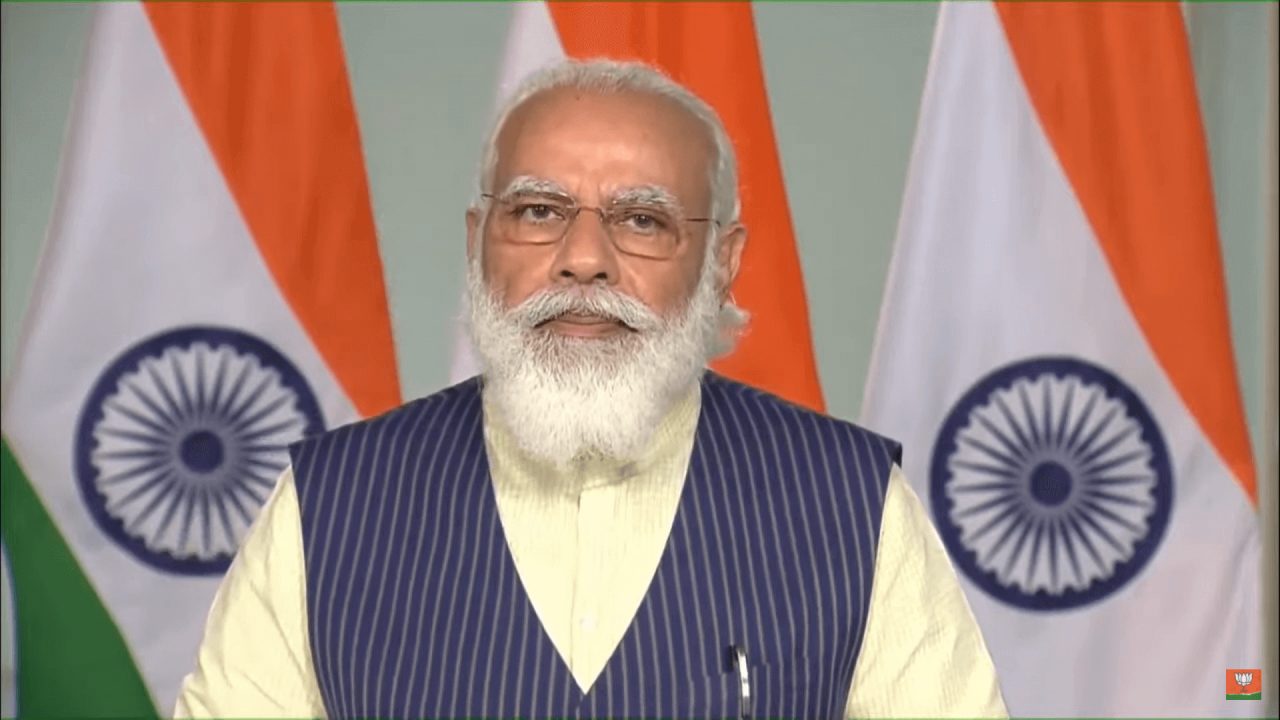
The Indian government has summoned Meta's global affairs chief, Joel Kaplan, to explain the company's content moderation practices after a reel posted by Prime Minister Narendra Modi was briefly removed. The government is concerned that Meta's automated content filters failed to distinguish an official account from an unofficial one, leading to the removal of the reel.
The Indian government is upset with Meta because a video posted by the Prime Minister was briefly removed from the platform. The government thinks Meta's automated filters should have been able to tell the difference between an official account and a fake one. This is a big deal because it affects how people share information on social media.
Analysis
A $60B Vote of Confidence
The Indian government's summons of Meta's global affairs chief, Joel Kaplan, marks a significant escalation in the ongoing debate over content moderation practices on social media platforms. The government's concerns stem from the brief removal of a reel posted by Prime Minister Narendra Modi, which was attributed to a technical glitch in Meta's automated content filters. However, government sources have expressed skepticism over Meta's explanation, calling it 'not reasonable'.
The summons follows scrutiny over how Meta handled protest-related material during the NEET agitation, tracked by MediaNama since July 20. Instagram made the Cockroach Janta Party's (CJP) official account, which has 20 million followers, inaccessible in India, alongside a DW News journalist's reel showing a student crying after alleged police assault. Meta geo-blocked a Maktoob Hindi reel on the Jantar Mantar protests, showing users only a notice that named no law, ministry, or grounds. Creators reported that Instagram flagged protest posts as sensitive and reduced their reach, with the Nationalist Congress Party (NCP) spokesperson alleging that coordinated mass-reporting led to shadow-banning.
The government's concerns over content moderation practices are not limited to the removal of the reel. MeitY has directed Instagram to disable all advertisements and content promoting or facilitating access to Child Sexual Exploitative and Abuse Material (CSEAM), after a BBC Eye investigation found paid ads using terms such as 'rape video' and linking to Telegram channels selling the material for as little as Rs 99. Meta conceded that its ad review 'may not catch every violation' while defending it as 'robust', and said it disabled the ads, suspended the accounts, and blocked the URLs on being alerted.
The government has also questioned the proposed username feature on WhatsApp, warning it could increase impersonation, phishing, digital arrest scams, and identity theft. WhatsApp has assured the Centre it will not roll out the feature in India until consultations conclude to the government's satisfaction.
The Parliamentary Standing Committee on Communications and Information Technology, chaired by Bharatiya Janata Party (BJP) Member of Parliament Nishikant Dubey, will meet on August 3 at 4 PM to take up platform regulation. Dubey said the committee summoned Meta (Instagram, Facebook, WhatsApp), X, Snapchat, and Google to explain how they protect the privacy of women, children, farmers, rural residents, labourers, and the public, and how they ensure compliance with the government's public order requirements.
The Indian government's summons of Meta's global affairs chief highlights the importance of content moderation practices on social media platforms, particularly in the context of sensitive political content. The government's concerns over content moderation practices are not limited to the removal of the reel, but also extend to the proposed username feature on WhatsApp and the handling of protest-related material.
Key points
- The Indian government has summoned Meta's global affairs chief, Joel Kaplan, to explain the company's content moderation practices.
- The government is concerned that Meta's automated content filters failed to distinguish an official account from an unofficial one, leading to the removal of a reel posted by Prime Minister Narendra Modi.
- MeitY has directed Instagram to disable all advertisements and content promoting or facilitating access to Child Sexual Exploitative and Abuse Material (CSEAM).
- The government has questioned the proposed username feature on WhatsApp, warning it could increase impersonation, phishing, digital arrest scams, and identity theft.
The Indian government's summons of Meta's global affairs chief could lead to improved content moderation practices on social media platforms, particularly in the context of sensitive political content. This could result in a safer and more trustworthy online environment for users.
The Indian government's summons of Meta's global affairs chief could lead to increased censorship on social media platforms, particularly in the context of sensitive political content. This could result in a more restrictive online environment for users.