Greenhouse products exports rise 12% thanks to modern technology, water crisis management
Iran's greenhouse product exports surpassed 770,000 tons in the past agricultural year, recording a 12% growth. This success is attributed to the application of modern technologies, a focus on water and energy efficiency, and targeted planning for developing suitable regi…
Intelligence analysis by Llama
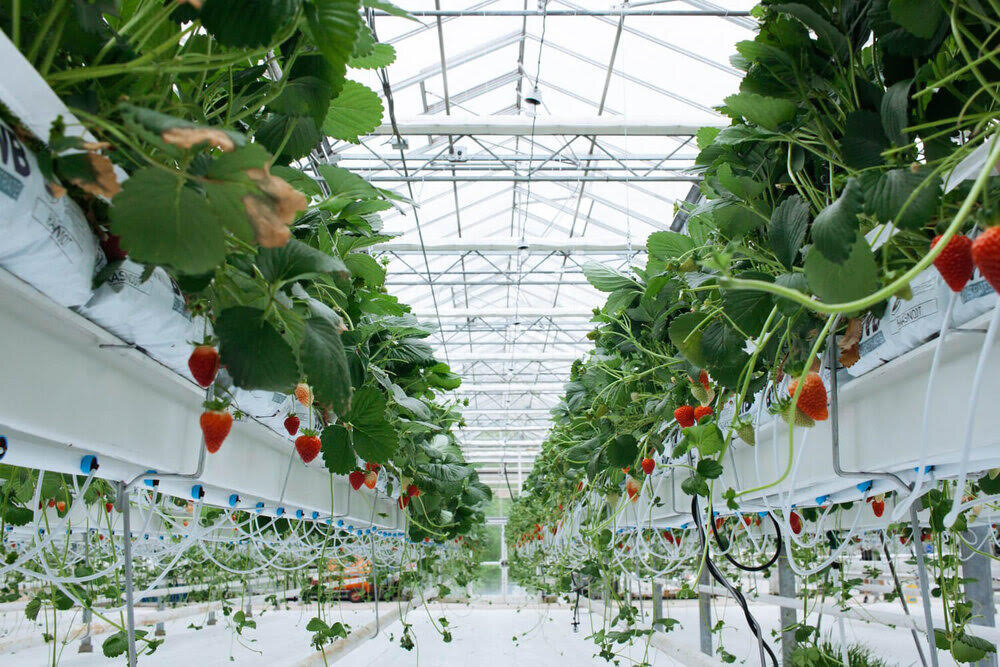
Iran's greenhouse product exports have seen a 12% growth, thanks to the application of modern technologies, water and energy efficiency, and targeted planning. The country aims to raise national greenhouse production to 10 million tons per year by the end of the Seventh Development Plan.
Iran's greenhouse product exports have grown by 12% thanks to using modern technology, being more efficient with water and energy, and planning carefully. This helps the country earn more foreign currency and grow its food security.
Analysis
Greenhouse Product Exports: A 12% Growth Amidst Challenges
Iran's greenhouse product exports have seen a significant 12% growth in the past agricultural year, surpassing 770,000 tons. This achievement is attributed to the application of modern technologies, a focus on water and energy efficiency, and targeted planning for developing suitable regions. The Director General of the Greenhouse, Medicinal Plants, and Edible Mushrooms Office at the Ministry of Agriculture, Elham Fatahifar, emphasized that this growth was achieved despite only 20% of greenhouse production being currently exported, indicating considerable potential for increasing the export share.
Energy Imbalance and Water Crisis: Serious Obstacles
Fatahifar identified energy imbalances and the need for greater water efficiency as two major challenges and obstacles to greenhouse development. She stressed that any new expansion must be concentrated in regions with adequate energy infrastructure and water resources to ensure sustainable production while managing the crisis. The Director General also highlighted the decisive role of knowledge-based companies in modernizing production methods, noting that a significant portion of the country's export success stems from adopting new technologies that improve productivity, reduce water consumption, and enhance the quality of export products.
Export Basket Composition and Future Prospects
Regarding the export basket composition, Fatahifar reported that bell peppers, tomatoes, cucumbers, and greenhouse-grown eggplants rank highest in export volume. Greenhouse strawberries and other commercial vegetables are gradually carving out their place in export markets and receiving positive reception, reflecting the growing diversity of the export portfolio. The Director General stressed that through scientific solutions and private sector support—especially from greenhouse operators—Iran can both ensure sustainable food security and expand its share in regional and global greenhouse product markets.
Key points
- Iran's greenhouse product exports have seen a 12% growth in the past agricultural year.
- The growth is attributed to the application of modern technologies, water and energy efficiency, and targeted planning.
- The country aims to raise national greenhouse production to 10 million tons per year by the end of the Seventh Development Plan.
- Energy imbalances and water crisis are major challenges and obstacles to greenhouse development.
- Knowledge-based companies play a decisive role in modernizing production methods and improving export quality.
If Iran continues to adopt modern technologies and improve its water and energy efficiency, it can increase its greenhouse product exports and earn more foreign currency. This could also lead to improved food security and a stronger economy.
However, if Iran fails to address its energy imbalances and water crisis, it may face significant challenges in sustaining its greenhouse product exports. This could lead to reduced foreign currency earnings and decreased food security.