Guardiola Says No to Italy: Catalan Coach Will Not Lead the National Team
Pep Guardiola has declined the offer to become the head coach of the Italian national football team, opting instead for a year-long sabbatical to spend time with his family. The Italian Football Federation had made him their top target.
Intelligence analysis by Gemini 2.5 Flash
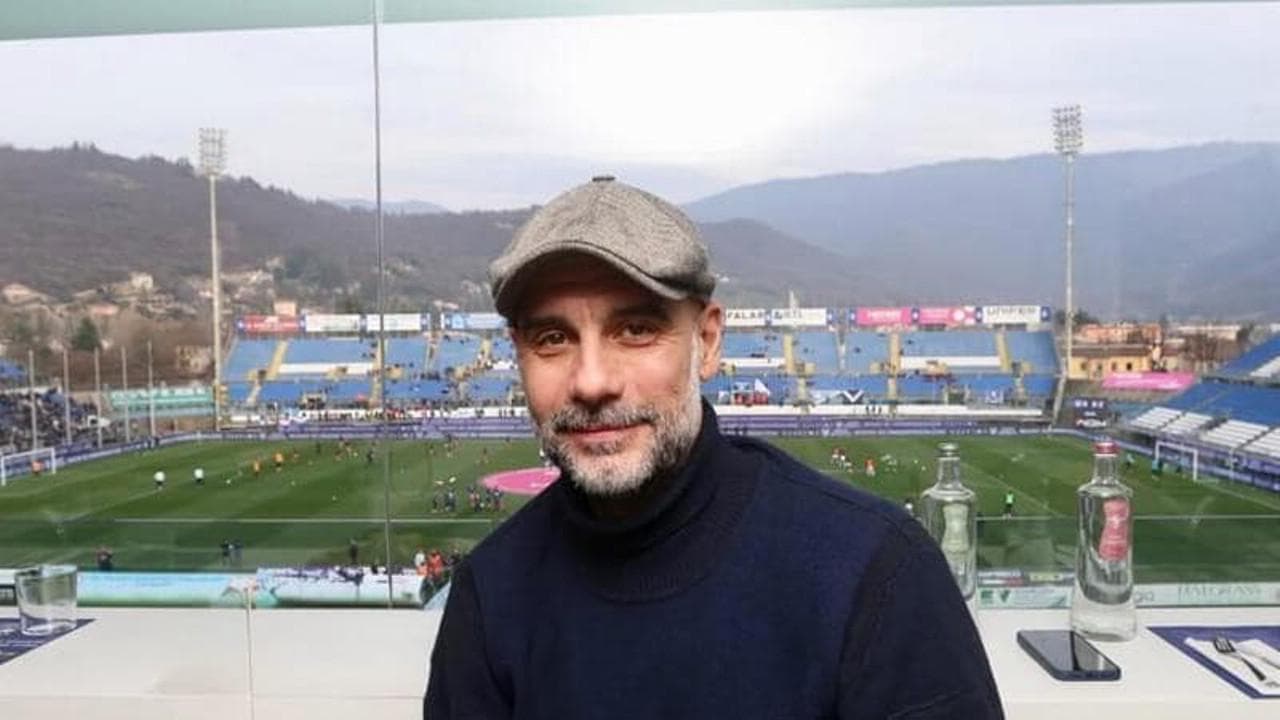
After leaving Manchester City, Pep Guardiola confirmed his decision to take a year off from football, rejecting a tempting offer from the Italian Football Federation. His choice was driven by a desire to prioritize family time, despite the federation's willingness to meet his demands and wait for him.
Imagine a super-smart football coach, Pep, who just finished a big job. Italy's team really wanted him to be their new leader, offering him a great job. But Pep had already promised his family he'd take a year off to spend time with them, especially his old dad. So, even though it was a cool offer, he said no because family promises were more important to him right now. Now, Italy will look for another coach, maybe Andrea Pirlo, who also likes exciting football.
Analysis
Guardiola's Personal Priority
Pep Guardiola's decision to decline the Italian national team coaching role underscores a growing trend among high-profile figures to prioritize personal well-being and family over relentless professional demands. After a decade at Manchester City, a period marked by intense pressure and success, Guardiola had already committed to a sabbatical year. This commitment, made to his wife and 95-year-old father, proved unshakeable even in the face of a prestigious offer from the Italian Football Federation. His refusal highlights a personal conviction that he had previously dedicated too little time to his loved ones, risking missing crucial moments. This stance, where personal promises outweigh professional allure, offers a rare glimpse into the human side of elite sports management.
The Azzurri's Ambitious Pursuit
The Italian Football Federation, represented by directors Maldini and Leonardo, had clearly identified Guardiola as their top candidate, demonstrating a significant ambition to secure one of football's most decorated strategists. The article explicitly states that the federation was prepared to wait for him and that financial considerations were not an obstacle, as clarified by Maldini. This indicates a strong belief in Guardiola's ability to implement a "new and audacious style of football" and lead a long-term project for the Azzurri. The attempt, though ultimately unsuccessful, reflects a proactive approach by the Italian federation to elevate the national team's standing and tactical identity. Their willingness to pursue such a high-caliber coach, despite the known difficulties, speaks volumes about their aspirations.
The Emergence of Plan B: Andrea Pirlo
With Guardiola's definitive refusal, the Italian Football Federation swiftly moved to activate its contingency plan, focusing on Andrea Pirlo. Pirlo is described as a candidate who aligns well with the technical director and advisor, and who also advocates for a "new and audacious style of football." This suggests a consistent vision for the national team's future, even if the primary target was unattainable. Pirlo's profile is seen as suitable for a long-term project, indicating that the federation is looking beyond immediate results to build a sustainable footballing philosophy. This transition from a globally established coach like Guardiola to a younger, potentially less experienced but ideologically aligned figure like Pirlo, marks a significant pivot in the Azzurri's strategic direction.
Key points
- Pep Guardiola has rejected the offer to become the head coach of the Italian national football team.
- His decision stems from a prior commitment to take a year-long sabbatical to spend time with his family, including his 95-year-old father.
- The Italian Football Federation, led by Maldini and Leonardo, had made Guardiola their primary target and was willing to meet his demands.
- Financial considerations were not a factor in Guardiola's refusal.
- Andrea Pirlo is now considered the leading candidate for the role, aligning with the federation's vision for a "new and audacious style of football" and a long-term project.
The Italian Football Federation's clear vision for a "new and audacious style of football" and a long-term project, even with Andrea Pirlo as the alternative, suggests a coherent strategy for the national team's future development. This could lead to a revitalized and exciting period for Italian football, fostering new talent and tactical approaches.
While Pirlo is a respected figure, his relative inexperience at the national team level compared to Guardiola's proven track record could introduce uncertainty. The federation's initial preference for Guardiola indicates a perceived gap in coaching caliber, which might lead to a less impactful or slower-than-desired transformation for the Azzurri.