Guinea: FNDC Lawyers Appeal to UN After Discovery of Mass Grave in Forécariah
Following the discovery of six bodies near Forécariah, Guinea, the FNDC's lawyers have appealed to the UN High Commissioner for Human Rights, questioning the independence of the Guinean justice system's investigation.
Intelligence analysis by Gemini 2.5 Flash Lite
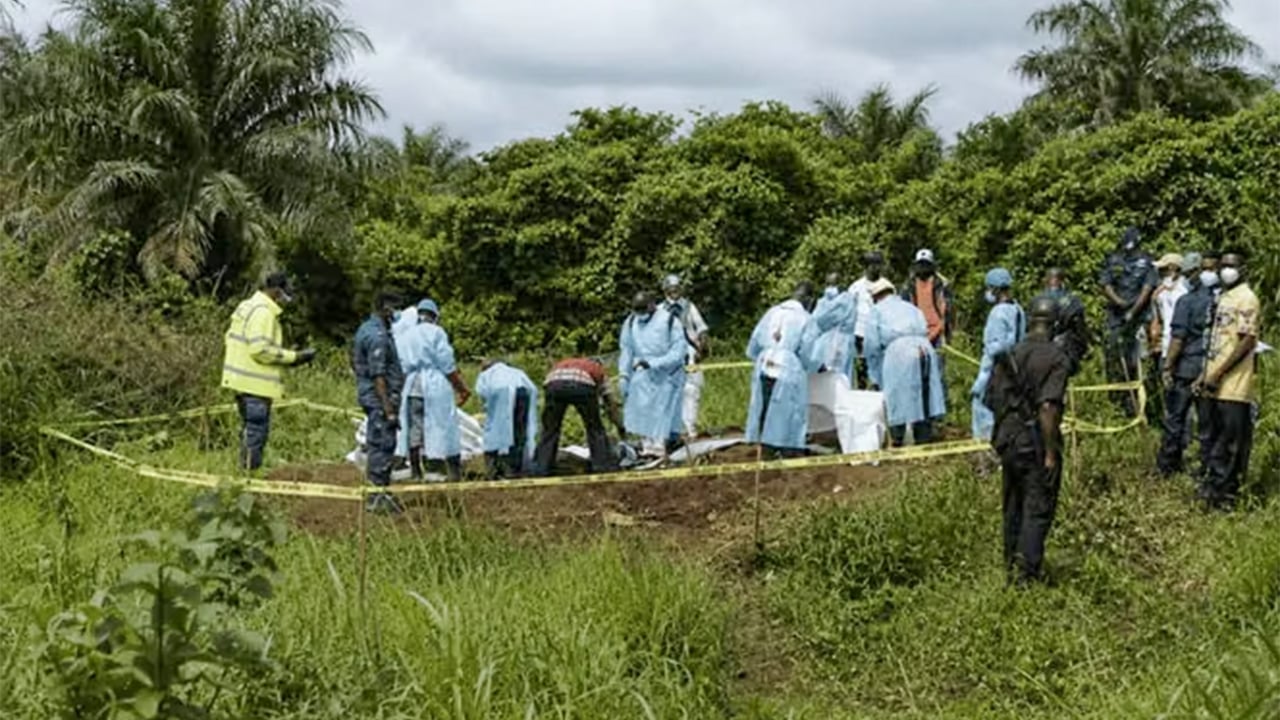
The discovery of a mass grave containing six bound and blindfolded bodies in Forécariah, Guinea, has intensified pressure on Mamadi Doumbouya's regime. Lawyers for the Front National pour la Défense de la Constitution (FNDC) have lodged a complaint with the UN High Commissioner for Human Rights, citing concerns about the impartiality of the Guinean judiciary's investigation into the m…
Imagine finding a hidden box with six people tied up inside. Because people don't trust the local police to find out who did it fairly, lawyers have asked the United Nations, like a global referee, to help make sure the truth comes out and the right people are held responsible.
Analysis
Forécariah Discovery
The recent discovery of six bodies, found bound and blindfolded in Allassoyah, within the prefecture of Forécariah, approximately 100 kilometers south of Conakry, has sent shockwaves through Guinea. This grim finding has amplified the pressure on the transitional government led by Colonel Mamadi Doumbouya. The circumstances surrounding the discovery, including the state of the bodies, have immediately drawn international attention and condemnation, prompting calls for a thorough and independent investigation.
The location of the discovery, in a region not far from the capital, suggests a potential connection to ongoing political tensions or alleged human rights abuses within the country. The fact that the bodies were bound and blindfolded points towards a possible extrajudicial killing or other forms of severe mistreatment, raising alarm bells among human rights organizations and the Guinean diaspora.
FNDC Legal Action
In response to the discovery and perceived shortcomings in the official investigation, lawyers representing the Front National pour la Défense de la Constitution (FNDC) have taken a significant step by lodging a formal complaint with the United Nations High Commissioner for Human Rights. This move underscores a profound lack of confidence in the Guinean justice system's ability to conduct an impartial and transparent inquiry into the matter. The FNDC, a prominent civil society coalition that has been critical of the military junta, views this discovery as a potential indicator of systemic abuses.
The FNDC's appeal to the UN signals a desire for international oversight and pressure to ensure accountability. They are likely seeking an independent investigation that is free from political interference, aiming to uncover the truth behind the deaths and bring those responsible to justice. This internationalization of the issue could have significant diplomatic and legal ramifications for the Guinean authorities.
International Scrutiny
The Guinean authorities are now facing increased scrutiny not only from domestic opposition and civil society but also from international bodies and foreign governments. France's Quai d'Orsay, along with exiled Guinean opposition figures and twenty African civil society organizations, have publicly called for an investigation that is conducted with full independence. This broad coalition of concern highlights the gravity of the situation and the widespread demand for justice and transparency.
The international community's involvement, particularly through the UN, could compel the Guinean government to cooperate more fully with independent investigators. Failure to do so could lead to further diplomatic isolation, sanctions, or other punitive measures, impacting Guinea's efforts to regain international legitimacy and secure foreign investment. The credibility of the Doumbouya regime hinges significantly on its response to these allegations and its willingness to uphold human rights standards.
Key points
- Six bound and blindfolded bodies were discovered in Forécariah, Guinea.
- The FNDC's lawyers have appealed to the UN High Commissioner for Human Rights.
- Concerns have been raised about the independence of the Guinean justice system's investigation.
- International bodies and civil society organizations are demanding a transparent inquiry.
An independent and thorough investigation could lead to accountability for those responsible for the deaths, potentially restoring some faith in Guinea's justice system. This could also encourage greater respect for human rights and pave the way for more transparent governance under the current regime.
If the investigation is not truly independent or is obstructed, it could further erode trust in the Guinean authorities, leading to increased international condemnation and potential sanctions. This could also embolden further human rights abuses and destabilize the country.