Guinea: Former Minister Sentenced in Absentia to Six Years in Prison
Oyé Guilavogui, a former Guinean minister under Alpha Condé, has been sentenced in absentia to six years in prison for corruption, illicit enrichment, and money laundering. The sentence is largely symbolic as he left Guinea in October 2023 for medical care and has not ret…
Intelligence analysis by Gemini 2.5 Flash
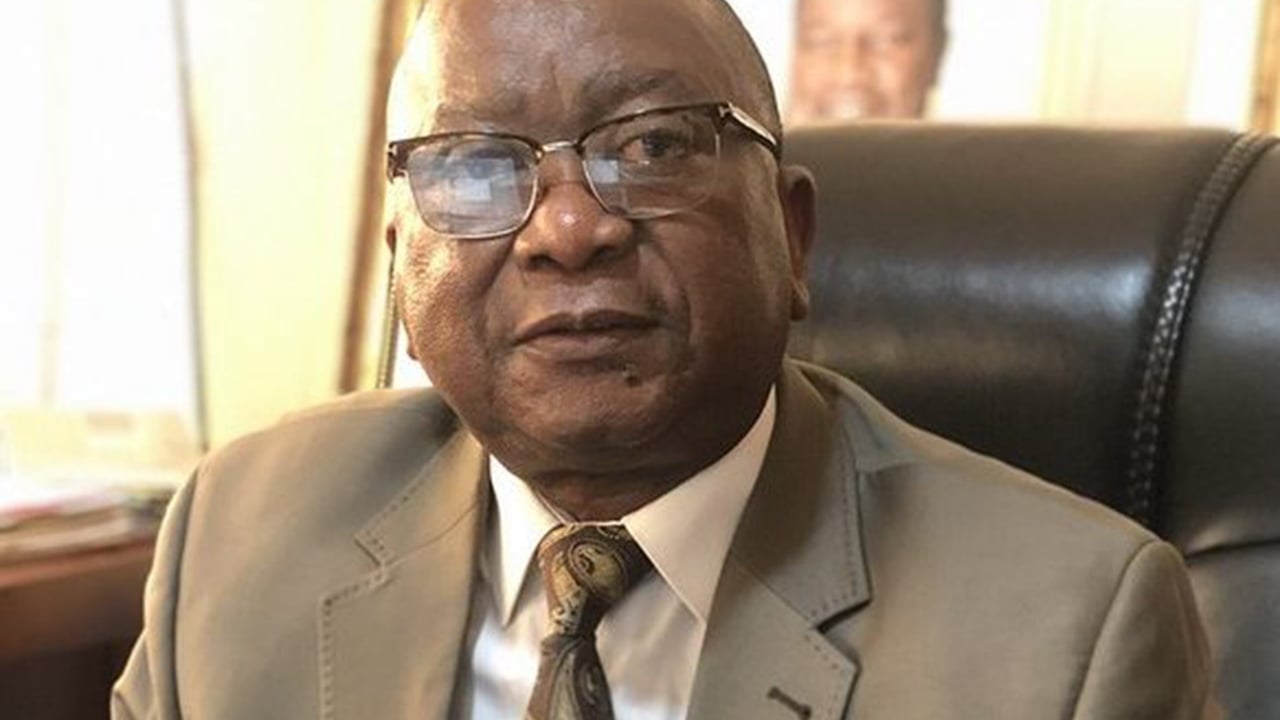
A Guinean court, established by the military junta, has convicted a former minister of corruption-related charges, issuing an arrest warrant and ordering asset confiscation and fines. However, the minister's prior departure from the country renders the immediate enforcement of the sentence impossible, highlighting the challenges of prosecuting officials who have fled.
Imagine a school principal who was caught taking money from the school's snack fund. A special school court, set up by the new student council, said he was guilty and should go to detention for six years and pay back the money. But the principal had already left for a "doctor's appointment" in another town and hasn't come back. So, even though he's been found guilty, he's not in detention, and it's hard to get the money back.
Analysis
Crief's Mandate and High-Profile Cases
The Court for the Repression of Economic and Financial Offenses (Crief) was established in December 2021 by the military junta that overthrew President Alpha Condé. Its creation was a key move by the new authorities to demonstrate their commitment to fighting corruption and illicit enrichment, which were significant grievances against the previous administration. Crief has since become a central instrument in the junta's governance, targeting numerous former officials. The court's mandate is to investigate and prosecute financial crimes, and it has pursued several high-profile cases against ministers and close associates of the deposed president. These prosecutions are often seen as a means for the military government to consolidate power and gain public support by addressing long-standing issues of graft and impunity. The conviction of Oyé Guilavogui adds to a growing list of former officials facing legal repercussions under the current regime.
The Symbolic Nature of the Conviction
Oyé Guilavogui's conviction to six years in prison for "embezzlement of public funds, illicit enrichment, corruption, and money laundering" carries significant legal weight, yet its immediate practical impact is limited. The former minister was sentenced in absentia, having left Guinea in October 2023 with Crief's permission for medical treatment abroad. His failure to return means the sentence, including an arrest warrant and asset confiscation, cannot be enforced domestically. This situation highlights a recurring challenge in anti-corruption efforts, particularly when high-profile individuals manage to flee the country. While the court's ruling sends a strong message about accountability, its effectiveness is undermined by the absence of the convicted party. The financial penalties, including a 2 billion Guinean francs fine and 5 billion in damages, also face hurdles in collection without the individual's presence or international cooperation for asset recovery.
Implications for Guinea's Anti-Corruption Drive
The case of Oyé Guilavogui reflects the broader complexities of Guinea's anti-corruption campaign under military rule. While the establishment of Crief and its active pursuit of cases demonstrate a clear intent to tackle corruption, the ability to fully implement sentences remains a critical hurdle. The fact that Guilavogui was allowed to leave the country before his conviction raises questions about the initial oversight or strategic decisions made by the authorities. For the Guinean state, the conviction, even if symbolic, reinforces the narrative that the junta is serious about cleaning up governance. However, for the public, the inability to bring a convicted official to justice physically might temper the perceived success of these efforts. Future steps will likely involve increased international cooperation to enforce arrest warrants and recover assets, which are crucial for these convictions to move beyond mere symbolism and deliver tangible results.
Key points
- Oyé Guilavogui, a former Guinean minister, was sentenced in absentia to six years in prison on July 27.
- He was found guilty of embezzlement, illicit enrichment, corruption, and money laundering by the Crief court.
- Crief was established by the military junta that overthrew President Alpha Condé in 2021.
- An arrest warrant was issued, and his assets were ordered to be confiscated, along with fines and damages totaling 7 billion Guinean francs (approx. 700,000 euros).
- Guilavogui left Guinea in October 2023 for medical care abroad with Crief's permission and has not returned, making the sentence currently symbolic.
The fact that the former minister was allowed to leave the country and has not returned means the sentence is currently symbolic, potentially undermining the credibility and effectiveness of the Crief court's anti-corruption efforts. This could set a precedent where officials facing charges might evade justice by fleeing abroad, making it harder for the state to recover embezzled funds or enforce penalties.