Gujarat: A Beard, Niqab, Using Arabic Words Might Now Mean You're 'Radicalised'
Gujarat's Home Department has operationalised Anti-Radicalisation Cells across all districts under a new SOP that flags indicators like growing a beard, wearing a niqab, using Arabic words, and traveling to Afghanistan or the Middle East. Critics, including CPI(M) MP John…
Intelligence analysis by Llama
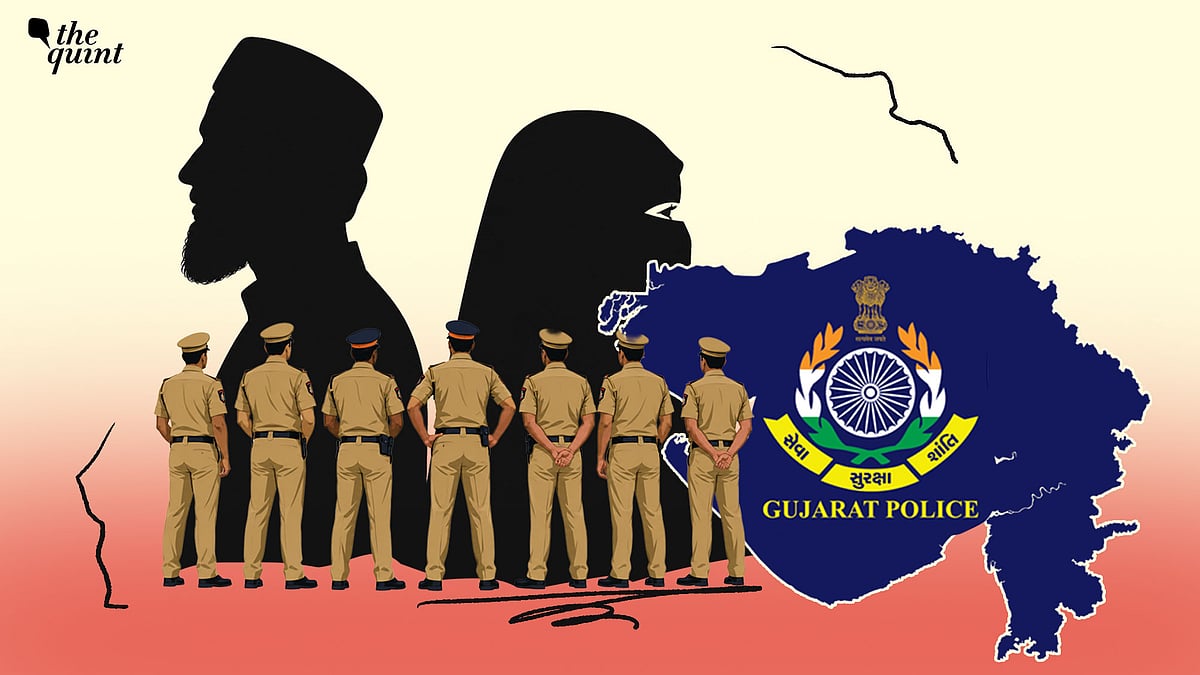
Gujarat has formally activated district-level Anti-Radicalisation Cells under a State Intelligence Bureau SOP that defines 'radicalised' individuals using religious-appearance markers, travel history, and digital habits. The five-phase framework mandates surveillance, monthly dossiers, and intervention, prompting sharp criticism from opposition leaders who call it institutionalised pr…
Imagine a school where the principal decides that any kid who suddenly changes their hairstyle, wears a new hat, or uses new words in a different language might be getting into trouble, and has to be watched every single month. That's kind of what Gujarat's new rule does, but for grown-ups and religion. Lots of people are worried it means police will keep an eye on Muslims just for how they look or what they wear, not because they did anything wrong.
Analysis
The Indicators List and What It Captures
The Gujarat State Intelligence Bureau's SOP offers a remarkably granular checklist for identifying 'at-risk' individuals. The list folds together physical appearance (suddenly growing a beard, wearing a niqab), language (frequent use of Arabic words), travel history (returning from Afghanistan or the Middle East), digital behaviour (downloading VPN, Signal, Element; following ISIS/AQ accounts; using Monero cryptocurrency), and purchases (fertilisers such as potassium nitrate, sulphur, ammonium nitrate, plus LPG cylinders). Also flagged are visits to Arabic colleges or madrasas, performing I'tikaf before organised activities, and abruptly leaving education or work citing Islamic duty. By collapsing religious practice, lifestyle, and legitimate security concerns into a single matrix, the document, as The Quint reports, converts faith-adjacent behaviour into a policing trigger. Critics argue this broadens the net so wide that ordinary observance becomes suspicious.
A Five-Step Surveillance Architecture
The SOP is not just a detection list. It builds a continuous pipeline: prevention, detection, intervention, rehabilitation, and monitoring. Field officers must cultivate sources in 'red zone areas', compile monthly physical dossiers, and submit performance forms by the fifth of each month. Once a person is labelled radical, the state keeps tabs on their movements, media presence, prison conduct, and post-release visitors. Madrasas come under fresh scrutiny, with complete records required on all Maulanas and checks for ties to 'fundamentalist ideologies'. Intervention leans on social media influencers, psychologists, and religious experts, while offences are to be prosecuted under the Bharatiya Nyaya Sanhita and the Unlawful Activities Prevention Act. The architecture is comprehensive, but the same comprehensiveness is what opposition voices find alarming: it institutionalises suspicion rather than investigating specific threats.
The Communal Profiling Debate
The rollout has already triggered political pushback. CPI(M) Rajya Sabha MP Dr John Brittas wrote to Gujarat Chief Minister Bhupendrabhai Patel calling the implications 'deeply disturbing' and warning that ordinary religious practice could be criminalised. The Quint's reporting highlights concerns that the cell will translate into more police stops, surveillance of Muslim-majority neighbourhoods, and the chilling of religious expression in public life. Supporters of the framework may argue that a formal SOP brings structure to counter-radicalisation work and prevents ad hoc action. Sceptics counter that when the entry criteria include a beard, a niqab, or Arabic vocabulary, the system is structurally biased before any investigation begins, and that such indicators risk alienating the very communities whose cooperation counter-terror work typically depends on.
Key points
- Gujarat's Home Department has operationalised Anti-Radicalisation Cells in every district and commissionerate under a State Intelligence Bureau SOP.
- The SOP's detection indicators include growing a beard, wearing a niqab, frequent use of Arabic words, travel to Afghanistan or the Middle East, and downloading encrypted apps.
- Field officers must maintain monthly dossiers, submit performance forms by the fifth of each month, and monitor 'radical inmates' in prison.
- Intervention uses social media influencers, psychologists, and religious experts, with prosecution possible under the BNS and UAPA.
- CPI(M) MP John Brittas has written to the Gujarat Chief Minister calling the framework 'deeply disturbing' and warning of institutional communal profiling.
If implemented with strict oversight, the SOP could give Gujarat's intelligence agencies a structured, documented process for counter-radicalisation rather than ad hoc surveillance, and the rehabilitation phase may help individuals reintegrate through counselling, education, and employment support.
The broad indicators risk entrenching communal profiling, normalising suspicion of Muslims who grow beards, wear niqabs, or travel to the Middle East, and could drive wedges between police and minority communities, ultimately making genuine counter-terror work harder and exposing the state to legal and constitutional challenges.


