Gunman in Paris suburb kills 1, wounds several in possible terrorist act, wanted "to cause a bloodbath," officials say
A gunman killed one person and wounded five others, including a 12-year-old girl, in the Paris suburb of Trappes, in what officials are investigating as a racially motivated terrorist attack.
Intelligence analysis by Gemini 2.5 Flash
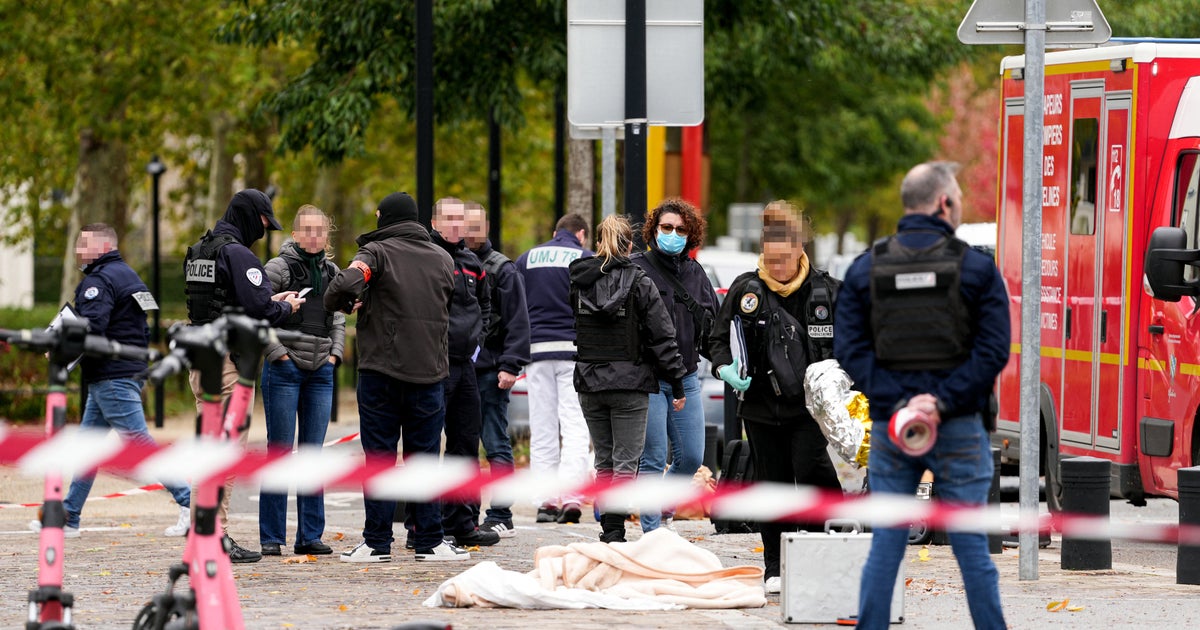
French authorities are investigating a shooting rampage in the Paris suburb of Trappes as a racially motivated terrorist act, with President Macron condemning it as a "racist terror attack." The gunman, who reportedly wanted "to cause a bloodbath," targeted passersby, killing one and seriously injuring five others, including a child.
Imagine someone driving a car and shooting people in a town near Paris, France. One person died, and others, including a little girl, got hurt. The grown-ups in charge think it was a scary attack because of how people look or what they believe, like a bully hurting others for no good reason.
Analysis
Trappes Incident Details
The Paris suburb of Trappes became the scene of a deadly shooting rampage, where a gunman, driving from his car, killed one person and wounded five others, including a 12-year-old girl. The assailant reportedly fired "what appears to have been a military-grade weapon, or at least an automatic weapon," according to Interior Minister Laurent Nuñez. The attack, which lasted under 15 minutes, targeted passersby at three distinct locations, including a playground and a gas station, with the mayor of Trappes, Ali Rabeh, stating the gunman wanted "to cause a bloodbath." The suspect was later apprehended in Coignieres, a nearby town, by five officers from the anti-crime brigade.
Mayor Rabeh characterized the incident as "probably one of the first attempted mass killings motivated by Islamophobia and racism," highlighting the severe racial and religious undertones. Prosecutors have initiated an investigation into "murder in connection with a terrorist enterprise," specifically examining whether the acts targeted the "real or supposed race, ethnicity, nationality or religion" of the victims. The person killed was identified as "of African origin," and one of the critically wounded as "of North African origin," underscoring the targeted nature of the violence.
Emmanuel Macron's Condemnation
French President Emmanuel Macron swiftly condemned the attack, labeling it a "racist terror attack" and asserting that the suspect's statements indicated premeditation. Following a meeting with local officials and residents in Trappes, Macron emphasized that the victims were targeted "because of their skin color or perceived religion, and for no other reason," declaring that "there is no place for this in France." His strong stance reflects the nation's zero-tolerance policy towards such acts of hatred and violence, particularly given France's diverse population and its commitment to secular values.
The President's remarks underscore the gravity of the situation, framing it not merely as a criminal act but as an assault on the fundamental principles of French society. The government's immediate response, including the mobilization of extensive security forces, demonstrates a concerted effort to address both the immediate threat and the underlying societal tensions that such attacks exploit. This high-level condemnation aims to reassure the public and reinforce national unity in the face of extremist violence.
Samuel Paty's Legacy
This latest act of violence in Trappes occurs against a backdrop of heightened social and political tensions in France, recalling previous incidents that have shaken the nation. The article specifically references the 2020 beheading of teacher Samuel Paty in another Paris suburb by a radical Islamist, an event that deeply scarred the country and sparked widespread debate on freedom of expression and religious extremism. Trappes itself had experienced tensions after a teacher there reported threats following comments about the state's protection of Paty.
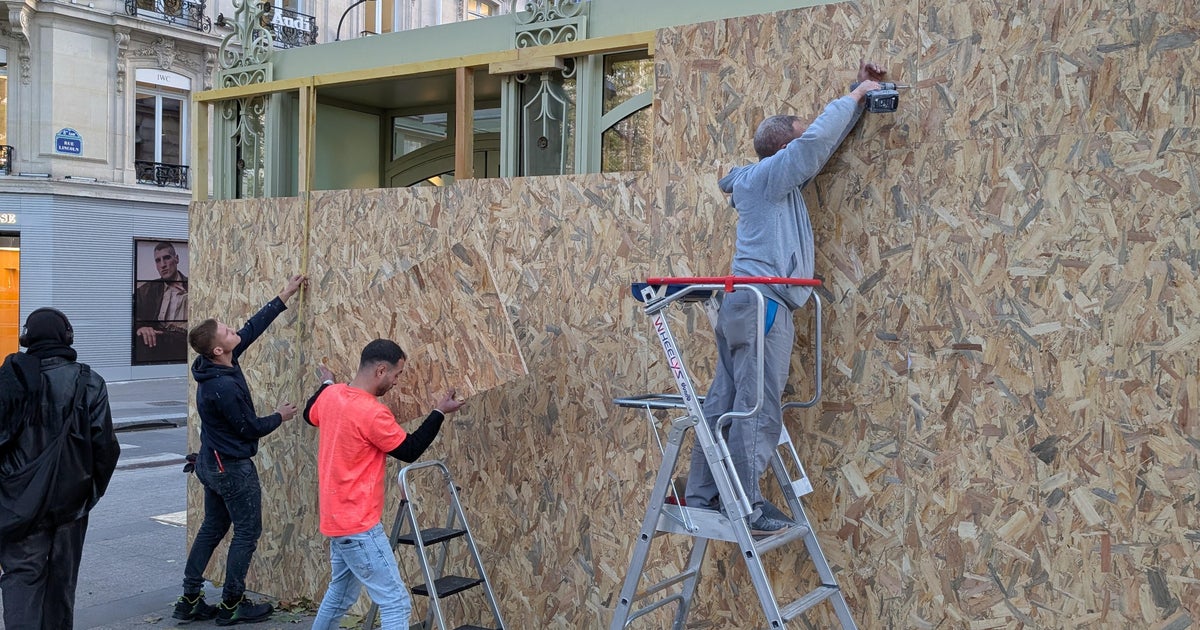
The shooting also coincides with a period of significant unrest across France, marked by mass protests over the cost of living that have escalated into street violence and looting. The government has responded by deploying approximately 70,000 law enforcement officers and gendarmes, along with elite police units, armored vehicles, and water cannons, to maintain order. Major cultural institutions, including the Louvre, have been closed, and events like Art Basel Paris canceled, illustrating the profound impact of the current climate of insecurity on daily life and public gatherings. This confluence of terror, social unrest, and a history of extremist violence paints a complex picture of a nation grappling with multifaceted challenges to its stability and social cohesion.
Key points
- A gunman killed one person and wounded five others, including a 12-year-old girl, in the Paris suburb of Trappes.
- French officials, including President Emmanuel Macron, are investigating the incident as a racially motivated terrorist attack.
- The alleged shooter fired from his car at multiple locations, reportedly aiming to "cause a bloodbath."
- The attack occurred amidst heightened tensions in France following recent riots and protests.
- Authorities have deployed a massive security presence across France, closing major museums and canceling events.
The swift and decisive response by French authorities, including the deployment of 70,000 law enforcement officers and elite units, suggests a strong commitment to restoring order and preventing further violence. This robust action could deter future attacks and reassure the public.
The attack, occurring amidst existing social unrest and protests over the cost of living, risks further exacerbating racial and religious tensions within France. The incident could deepen societal divisions and potentially inspire retaliatory acts, leading to prolonged instability and fear.