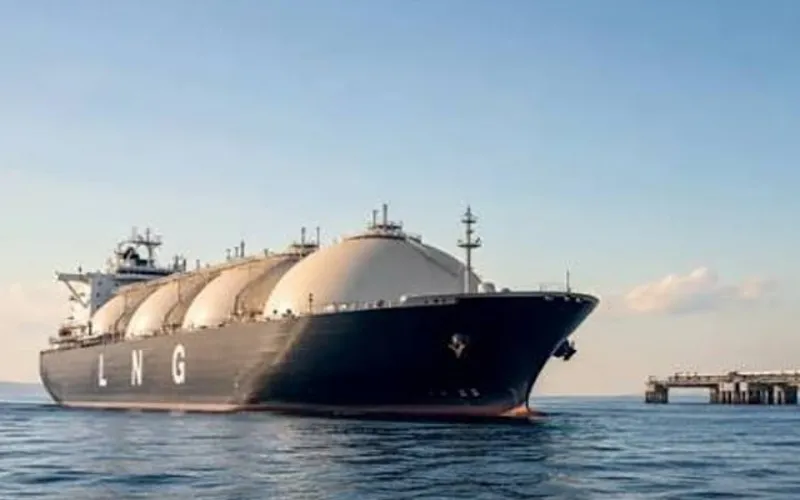
Gunvor welcomes Pakistan's oil price reform plan
Gunvor Group delegation met Federal Minister Ahad Cheema and endorsed Pakistan's plan to deregulate oil prices and modernize refineries, with PGL announcing expansion.
Intelligence analysis by Llama
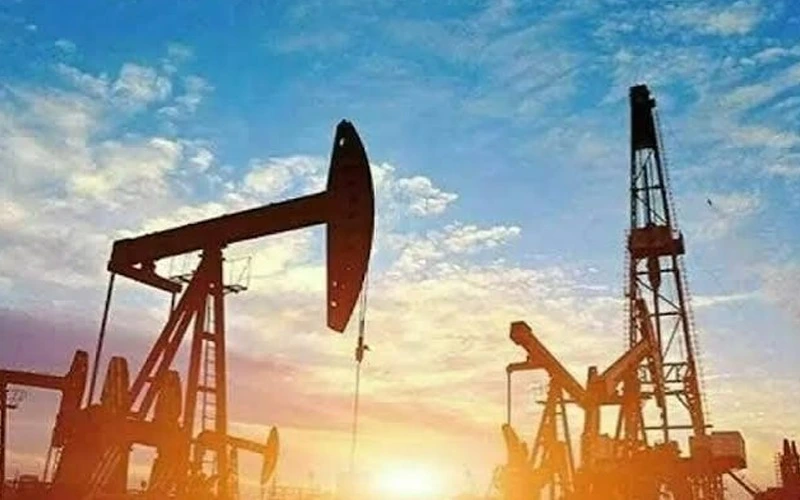
Switzerland-based Gunvor Group visited Islamabad to back Pakistan's petroleum reform agenda. The talks covered oil price deregulation, refinery upgrades, and PSO restructuring, while PGL signalled fresh investment.
Imagine Pakistan has a big lemonade stand where the government sets the price of every cup. Now Pakistan wants to let the lemonade sellers decide their own prices so they compete and shoppers get better deals. A big foreign juice company, Gunvor, came to visit and said, "Great idea, we'll help," and even wants to open more juice shops there.
Analysis
Ahad Cheema's deregulation push
Federal Minister for Economic Affairs Ahad Cheema used the meeting to lay out the government's petroleum-sector roadmap, with oil price deregulation at its centre. According to the report, Cheema told the Gunvor delegation that the Cabinet may soon approve the proposed deregulation policy, a step he framed as essential to reforming the petroleum market. Deregulation, if enacted, would unwind administered pricing mechanisms and let market forces — supply, demand, and import parity — set pump prices more directly. The political economy of such a shift is delicate in Pakistan, where fuel costs feed directly into transport, power generation, and inflation expectations, so a Cabinet green light would be a notable policy signal even before implementation details are finalised.
PGL expansion plans
Parco Gunvor Limited (PGL) — the joint venture that already operates a deep footprint in Pakistan — used the meeting to brief the minister on its expansion and network growth in the country. Cheema, per the article, welcomed those plans and assured the delegation of government support for legitimate investment. PGL's expansion matters because it brings additional storage, distribution, and trading capacity into a market that has historically been tight on import infrastructure. For Gunvor, a Geneva-headquartered trader with global reach, deeper involvement in Pakistan aligns with its strategy of securing physical positions in emerging Asian fuel markets, and the public endorsement signals that the group views Pakistan's reform direction as a viable long-term bet rather than a one-off transaction.
OGRA's role during the Gulf crisis
The discussion also touched on fuel supply continuity during the recent Gulf crisis, with Cheema crediting the Oil and Gas Regulatory Authority (OGRA) and other stakeholders for keeping product flowing despite international disruption. The Gunvor officials, the article notes, separately appreciated the government's handling of supply chains during that episode. The exchange underscores how regulatory coordination — rather than subsidy-driven price control — is becoming the government's preferred crisis-response toolkit. If deregulation moves forward, OGRA's mandate is likely to tilt further toward market surveillance, competition oversight, and consumer protection rather than price-setting, a quiet but consequential institutional shift for the sector.
Key points
- Gunvor Group delegation met Economic Affairs Minister Ahad Cheema in Islamabad to discuss energy-sector cooperation.
- Cheema said the Cabinet may soon approve a proposed oil price deregulation policy aimed at boosting competition among OMCs.
- Gunvor officials endorsed the deregulation push and offered support for refinery upgradation.
- Parco Gunvor Limited (PGL) briefed the minister on expansion of its business and network in Pakistan.
- Both sides credited OGRA-led coordination for maintaining uninterrupted fuel supply during the recent Gulf crisis.
If the Cabinet approves oil price deregulation and refinery upgrades go ahead with private participation, Pakistan could see a more competitive OMC landscape, lower fiscal burden from subsidies, and stronger investor inflows into the downstream sector. PGL's stated expansion is an early signal that at least one major trader is willing to put fresh capital behind that direction.
Deregulation without strong consumer safeguards could expose Pakistani households to sharper price swings, particularly if global crude spikes again as it did during the recent Gulf crisis. Reform of PSO and refinery upgrades also face execution risk: project delays, circular-debt entanglements, and political resistance to removing administered prices could all blunt the intended efficiency gains.