Haitian pregnant woman in Florida fears deportation as TPS ends
A 29-year-old pregnant Haitian woman in Florida fears deportation as the Temporary Protective Status (TPS) for Haitians ends. She has been in the US most of her life and has no family left in Haiti.
Intelligence analysis by Llama
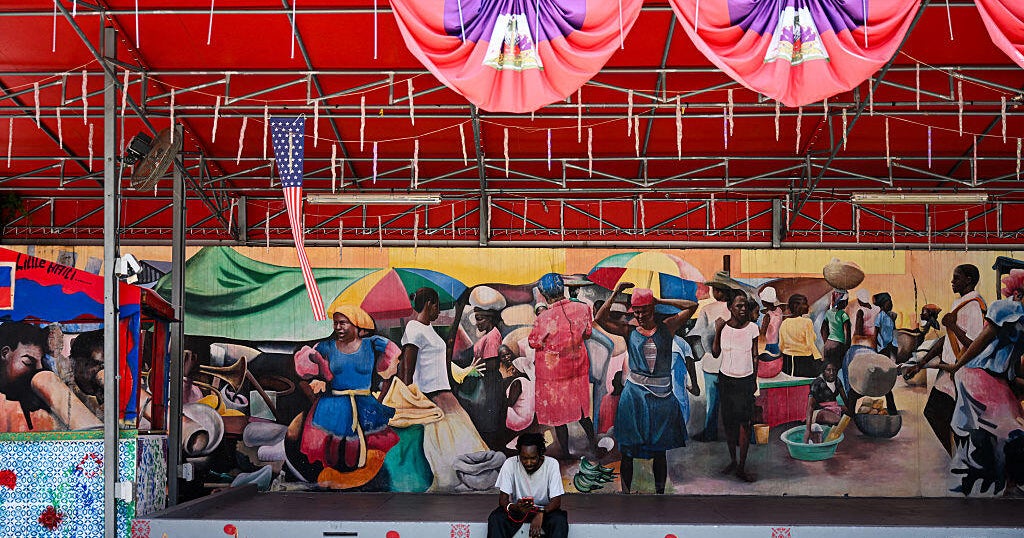
A Haitian pregnant woman in Florida is in hiding, fearing deportation as the TPS for Haitians ends. She has been in the US most of her life and has no family left in Haiti. She is among the over 300,000 Haitian nationals who held TPS until it was ended by the Trump administration.
A Haitian pregnant woman in Florida is in hiding because she might get deported back to Haiti. She has been in the US most of her life and has no family left in Haiti. She is scared because she doesn't know how she will afford her doctor's appointments or take care of her baby.
Analysis
Haitian Migrants in the US: A Growing Concern
The Temporary Protective Status (TPS) for Haitians has been a contentious issue in the US for years. The program was designed to provide protection to Haitians who came to the US to escape violence in their homeland. However, the Trump administration ended the program earlier this week, citing improved conditions in Haiti.
But the reality on the ground in Haiti is far from improved. A new United Nations report found that there were 613 gang-related killings in Haiti between March and July. The report also noted that a suspension of basic services in neighborhoods impacted by the violence has left many Haitians without access to essential services.
In Florida, where many Haitian migrants have settled, the end of the TPS program has left many in a state of uncertainty. A 29-year-old pregnant Haitian woman in Florida is among those who are in hiding, fearing deportation. She has been in the US most of her life and has no family left in Haiti.
The woman's story is a stark reminder of the human cost of the US government's decision to end the TPS program. She is not alone in her fears, as many Haitian migrants in the US are facing deportation as the program ends.
The Plight of Haitian Migrants
The Haitian migrants in the US are facing a unique set of challenges. Many of them have been in the US for years, building lives and families. However, with the end of the TPS program, they are now facing the very real possibility of deportation.
The woman's story highlights the complexities of the issue. She has been in the US most of her life and has no family left in Haiti. She is in hiding, fearing deportation, and is unsure of how she will afford her weekly doctor's appointments.
The US Government's Decision
The US government's decision to end the TPS program has been met with criticism from many in the Haitian community. They argue that the decision is premature and that the conditions in Haiti are not yet safe for Haitian migrants to return.
The US government's decision to end the TPS program has left many Haitian migrants in a state of uncertainty. The woman's story is a stark reminder of the human cost of the decision. She is not alone in her fears, as many Haitian migrants in the US are facing deportation as the program ends.
Key points
- The Temporary Protective Status (TPS) for Haitians has been ended by the Trump administration.
- The program was designed to provide protection to Haitians who came to the US to escape violence in their homeland.
- A 29-year-old pregnant Haitian woman in Florida is in hiding, fearing deportation.
- She has been in the US most of her life and has no family left in Haiti.
- The US government's decision to end the TPS program has left many Haitian migrants in a state of uncertainty.
If the US government were to reconsider its decision to end the TPS program, it could provide a lifeline to Haitian migrants like the woman in Florida. This could allow her to stay in the US and continue to build a life for herself and her baby.
If the US government does not reconsider its decision to end the TPS program, Haitian migrants like the woman in Florida may face deportation back to Haiti. This could put her and her baby in danger, as Haiti is still recovering from the 2010 earthquake and has ongoing gang violence.