Haley Stevens stands firm on backing U.S. military aid to Israel, claims El-Sayed won't recognize Israel's right to exist
Michigan Rep. Haley Stevens stands firm on her support for U.S. military aid to Israel, despite criticism from her opponent Abdul El-Sayed. El-Sayed has called for an end to U.S. aid to Israel and has criticized Stevens for taking donations from the American Israel Public…
Intelligence analysis by Llama
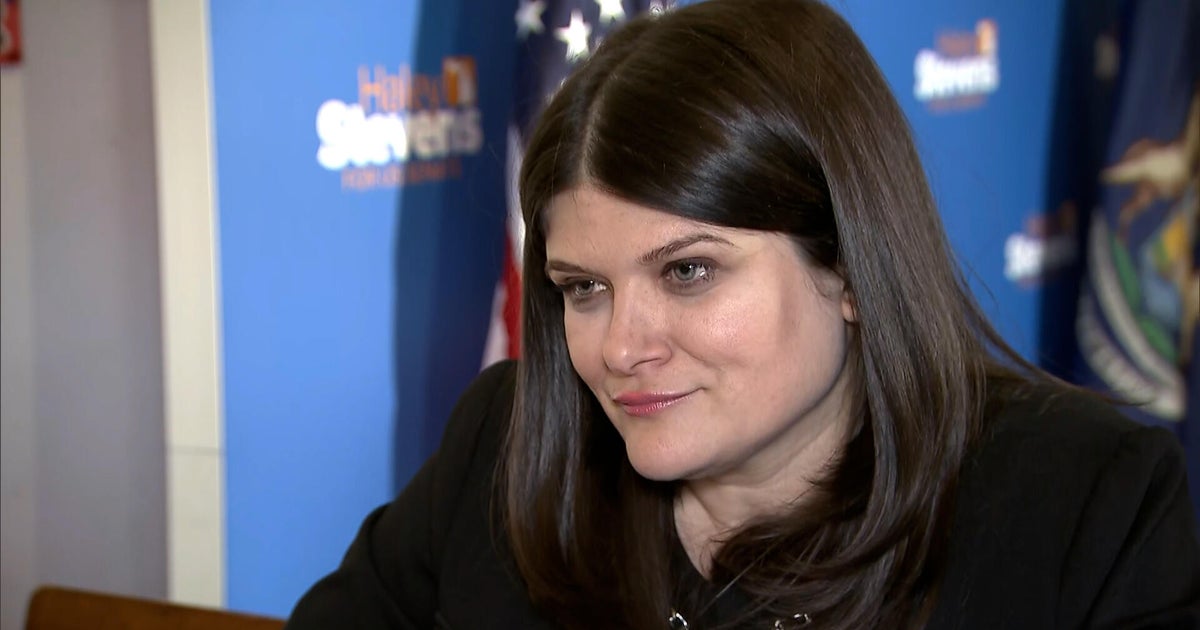
Michigan Rep. Haley Stevens defends her support for U.S. military aid to Israel, while her opponent Abdul El-Sayed criticizes her for taking donations from AIPAC. El-Sayed has called for an end to U.S. aid to Israel and has criticized Stevens for her stance on the issue.
Imagine you're a kid in a playground, and there's a kid who's being bullied by another kid. The first kid wants to help the bullied kid, but the other kid doesn't want to stop being mean. That's kind of like what's happening with Israel and Palestine. Some people, like Haley Stevens, think we should keep helping Israel, even if it means the other kid (Palestine) gets hurt. But others, like Abdul El-Sayed, think we should stop helping Israel and try to make things better for both kids. It's a complicated issue, but basically, it's about who we want to help and how we want to help them.
Analysis
A $60B Vote of Confidence
Haley Stevens' unwavering support for U.S. military aid to Israel has been a contentious issue in the Democratic primary. Despite criticism from her opponent Abdul El-Sayed, Stevens remains firm in her stance, citing the importance of maintaining a strong alliance with Israel. El-Sayed, on the other hand, has called for an end to U.S. aid to Israel, arguing that it perpetuates a cycle of violence and oppression in the region. The debate over U.S. military aid to Israel is a complex and multifaceted issue, with both sides presenting valid arguments. However, the outcome of this debate could have significant implications for U.S. foreign policy in the region. AIPAC's significant investment in Stevens' campaign has raised questions about the influence of special interest groups in politics. While Stevens has defended her decision to accept donations from AIPAC, El-Sayed has criticized her for prioritizing the interests of a powerful lobby over the needs of the Palestinian people. The contrast between Stevens' and El-Sayed's approaches to this issue highlights the deep divisions within the Democratic Party on issues of foreign policy and national security. As the primary season heats up, it remains to be seen which candidate will emerge victorious and what implications this will have for U.S. foreign policy in the region.
Why Cursor?
The debate over U.S. military aid to Israel is not just a matter of politics, but also a reflection of the broader values and principles that guide U.S. foreign policy. Stevens' support for U.S. military aid to Israel is rooted in her commitment to maintaining a strong alliance with Israel, while El-Sayed's opposition to U.S. aid is driven by his concern for the human rights and dignity of the Palestinian people. The contrast between these two approaches highlights the need for a more nuanced and multifaceted approach to foreign policy, one that takes into account the complex and often competing interests of different stakeholders. As the primary season unfolds, it will be essential for candidates to engage in a more thoughtful and informed debate about the implications of U.S. foreign policy in the region.
The Road Ahead
The outcome of the Democratic primary will have significant implications for U.S. foreign policy in the region. If Stevens emerges victorious, it is likely that U.S. military aid to Israel will continue, with all the attendant consequences for the Palestinian people. On the other hand, if El-Sayed wins, it is possible that U.S. aid to Israel will be reevaluated, with potentially significant implications for the region. Regardless of the outcome, it is clear that the debate over U.S. military aid to Israel is far from over, and that the implications of this debate will be felt for years to come.
Key points
- Haley Stevens stands firm on her support for U.S. military aid to Israel, despite criticism from her opponent Abdul El-Sayed.
- El-Sayed has called for an end to U.S. aid to Israel, arguing that it perpetuates a cycle of violence and oppression in the region.
- The debate over U.S. military aid to Israel is a contentious issue in the Democratic primary, with both candidates presenting valid arguments.
- AIPAC's significant investment in Stevens' campaign has raised questions about the influence of special interest groups in politics.
- El-Sayed has criticized Stevens for prioritizing the interests of a powerful lobby over the needs of the Palestinian people.
If Haley Stevens emerges victorious in the primary, it is possible that she will work to find a more nuanced and multifaceted approach to U.S. foreign policy in the region. She may seek to engage in more diplomatic efforts to resolve the conflict between Israel and Palestine, and may work to address the concerns of the Palestinian people. This could potentially lead to a more peaceful and stable region, and may even pave the way for a two-state solution.
On the other hand, if Stevens' opponent Abdul El-Sayed wins the primary, it is possible that U.S. aid to Israel will be reevaluated, with potentially significant implications for the region. El-Sayed's criticism of U.S. aid to Israel and his support for the Palestinian people may lead to a more confrontational approach to the conflict, which could potentially escalate tensions and lead to further violence.