Hanwha, Fincantieri shares rise after Trump opens Navy shipbuilding to foreign yards
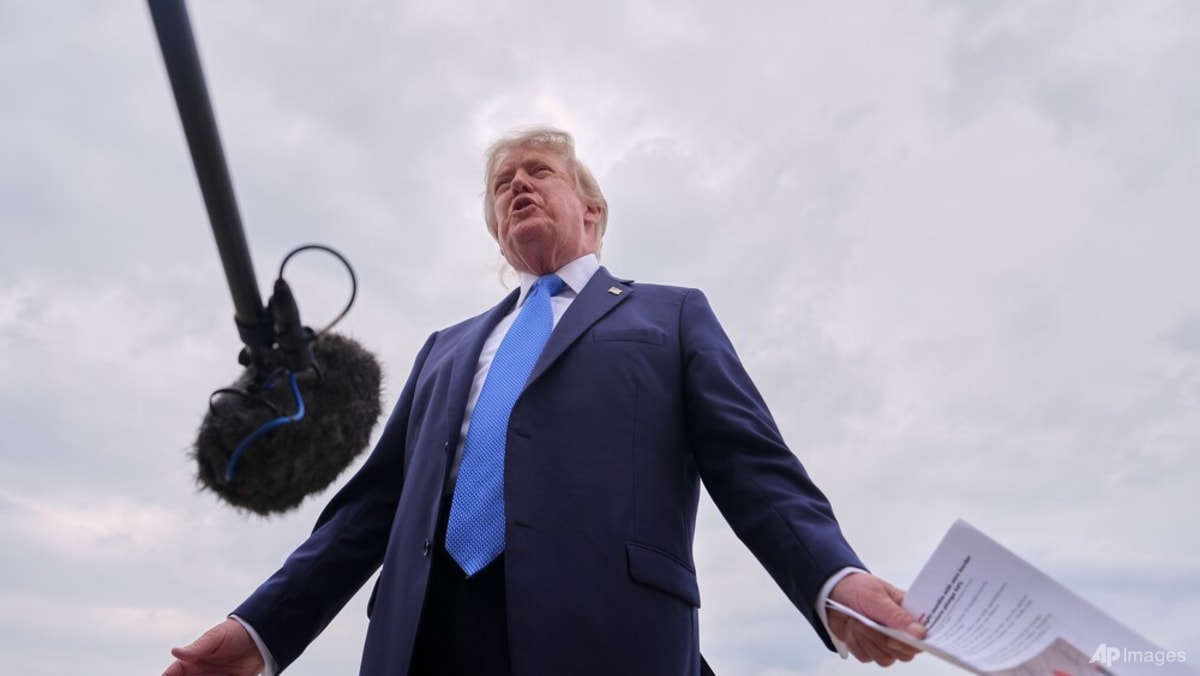
Shares of South Korea's Hanwha Group and Italy's Fincantieri rose on Friday after President Donald Trump's directive opening U.S. Navy shipbuilding to overseas yards. Hanwha Ocean Co stock climbed 5.6 per cent while Fincantieri SpA gained 3.2 per cent.
Intelligence analysis by Llama
President Donald Trump's directive opening U.S. Navy shipbuilding to overseas yards has led to a rise in shares of South Korea's Hanwha Group and Italy's Fincantieri. Hanwha Ocean Co stock climbed 5.6 per cent while Fincantieri SpA gained 3.2 per cent.
Imagine you're building a big ship for the Navy. The Navy used to only let American companies build these ships, but now they're going to let companies from other countries build them too. This means that companies like Hanwha and Fincantieri might get more business and make more money. However, it also means that some American companies might lose business and jobs.
Analysis
Hanwha's Advantageous Positioning
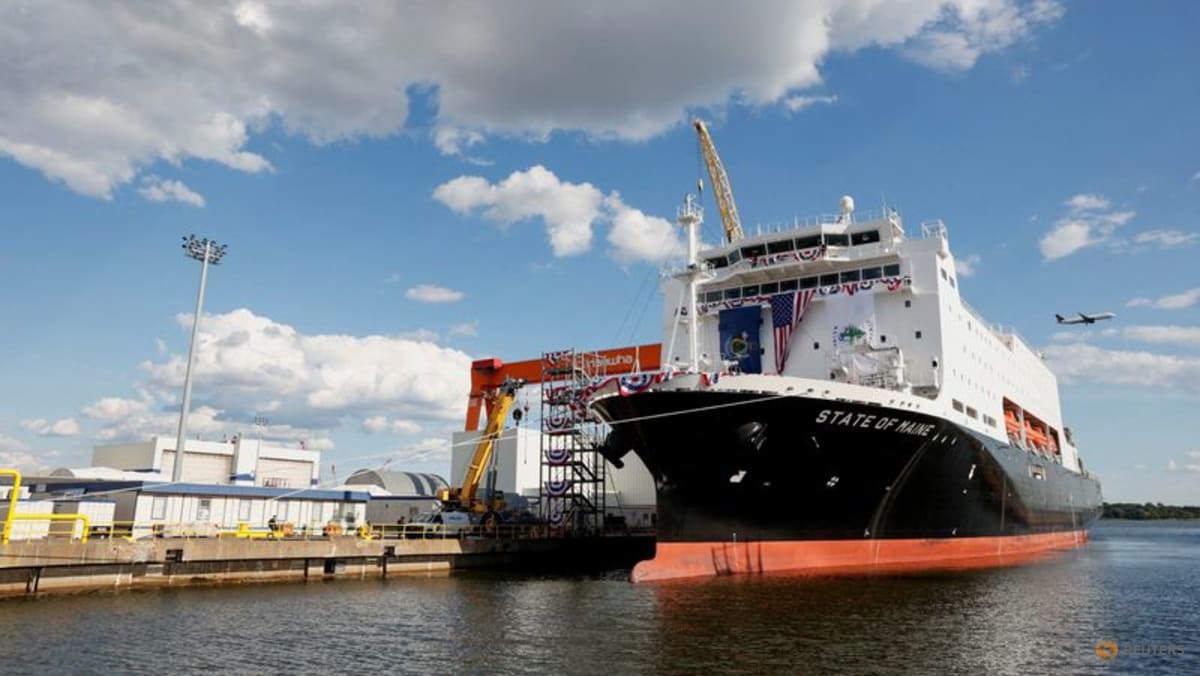
Hanwha is the clear frontrunner in the U.S. shipbuilding market, thanks to its broad financial commitments to the industry. The company has acquired Philly Shipyard in 2024 and has since escalated its bet on the U.S. market with a $5 billion pledge to expand the Pennsylvania yard. This investment is part of Seoul's broader commitments under a trade deal with Washington.
Fincantieri's U.S. Shipyard Investments
Fincantieri, Europe's largest shipbuilder, has spent more than $800 million on its U.S. shipyards over the past decade. The company has a significant presence in the U.S. market, with shipyards in Wisconsin and Michigan. Fincantieri recently won a $30 million Navy contract for early work on Medium Landing Ship vessels, part of a program that could ultimately cover 35 vessels.
Implications of the Policy Shift
The policy shift has significant implications for the U.S. shipbuilding industry. The U.S. Navy will now be able to procure ships from foreign yards, which could lead to a change in the way the Navy procures ships. The shift could also lead to a decrease in the number of U.S. shipbuilding jobs, as foreign yards may not be subject to the same labor laws and regulations as U.S. yards.
Impact on Austal
The policy shift also complicates Hanwha's non-binding bid for Austal's U.S. operations. A sale could cost Austal's Australian parent a chance to build two ships domestically under the new rules. Austal rose 5.6 per cent on Friday, as investors reacted to the news.
Key points
- President Donald Trump's directive opening U.S. Navy shipbuilding to overseas yards has led to a rise in shares of South Korea's Hanwha Group and Italy's Fincantieri.
- Hanwha Ocean Co stock climbed 5.6 per cent while Fincantieri SpA gained 3.2 per cent.
- The policy shift has significant implications for the U.S. shipbuilding industry and could lead to a change in the way the U.S. Navy procures ships.
- Hanwha is the clear frontrunner in the U.S. shipbuilding market, thanks to its broad financial commitments to the industry.
- Fincantieri has spent more than $800 million on its U.S. shipyards over the past decade and has a significant presence in the U.S. market.
If the policy shift plays out positively, it could lead to increased investment in the U.S. shipbuilding industry, creating more jobs and stimulating economic growth. Additionally, the shift could lead to more competition in the industry, driving innovation and improving the quality of ships built in the U.S.
However, the policy shift also poses significant risks, including the potential loss of U.S. shipbuilding jobs and the decreased competitiveness of U.S. shipyards. Additionally, the shift could lead to a decrease in the quality of ships built in the U.S., as foreign yards may not be subject to the same labor laws and regulations as U.S. yards.