‘Happiness is not just about GDP’: ambitious plan or utopia?
A Guardian analysis says a World Justice Report imagines a fairer economy where people work less, earn more and keep warming down, but the plan hinges on radical reforms.
Intelligence analysis by GPT-5.4 Mini
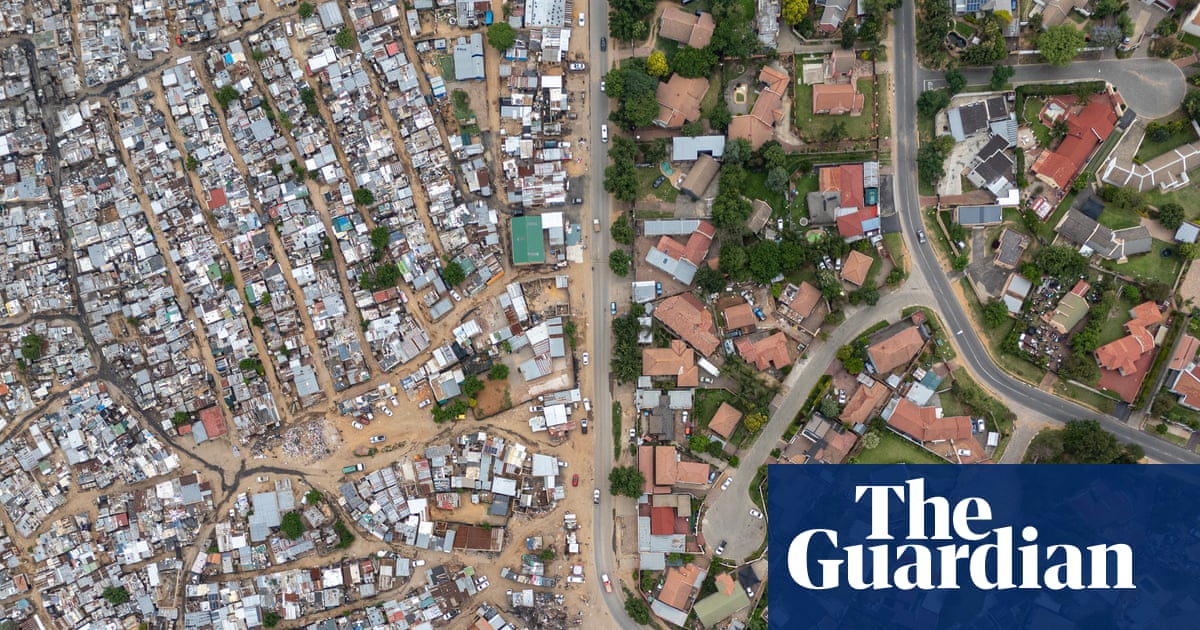
The report is framed as a hopeful alternative to both green-growth illusions and far-right techno-extractivism: use sufficiency, social science and big institutional change to improve life while shrinking the economy's material footprint.
The article says some experts want to measure success by how well people live, not just by how much money an economy makes. It is like judging a school by happy, healthy students instead of only by test scores, but the idea needs big rule changes to work.
Analysis
The pitch
The article says the World Justice Report lays out a way to build a prosperous, equitable world while staying within safe planetary limits. Its core argument is that happiness and progress are not captured by GDP alone, and that quality of life should matter more than the sheer size of material output.
Based on past social gains and future energy shifts, the report claims that by the end of the century most people could work less, earn more and still see better housing, health and living standards. It also puts more weight on ideas such as sufficiency and planetary habitability, meaning the economy should be organised to reduce its material footprint rather than simply keep expanding.
Why the authors think climate policy failed
The article says the report tries to fix a weakness in climate politics that has existed since the 1990s: too much faith that scientific data alone would drive action. Robert Watson, a former chair of the UN IPCC, says more social science should have been included from the start. Thomas Piketty argues that policies built around "green growth" without attention to distribution, sufficiency or sectoral change have become unpopular with lower- and middle-income voters.
The clash of visions
The piece sets this proposal against what it calls a far-right techno-extractivist path, linked to the US president and Silicon Valley supporters. That model prioritises AI and "energy dominance" while using tariffs and military power to expand oil, gas and coal markets.
Piketty says that if the wealthy were actually investing for planetary habitability, higher wages and better public conditions, people would accept their lead. Instead, he argues, the current billionaire project points toward more data centres, a larger material footprint and worse global warming. The report's own weakness is clear in the article too: its promise depends on radical changes to global finance and major wealth taxes, which rich countries have long treated as unrealistic.
Key points
- The World Justice Report argues that prosperity should mean more than GDP growth.
- It envisions a future where most people could work less, earn more and live better within planetary limits.
- The report pushes sufficiency and distribution, not just abstract net-zero targets or decarbonisation slogans.
- Critics are likely to question it because it relies on major global financial reform and wealth taxes.
- The article contrasts this with a fossil-fuel-heavy, AI-first model tied to the US and Silicon Valley.
If the report's vision gains support, it could mean more people working less while still getting better pay, housing and health. The article says that path could also reduce the economy's material footprint and help keep temperatures down while protecting more nature.
The article says the plan may be dismissed as unrealistic because it depends on radical reform of global financial institutions and large wealth taxes. If that fails, the alternative described in the piece is a more fossil-fuel-heavy, inequality-driven path that could worsen warming and weaken support for green policy.