Haut-Katanga Tensions, Cameroon Religious Crackdown, and Mali-Algeria Airspace Reopening Highlight African News
This week's African news highlights political tensions in DRC's Haut-Katanga, Cameroon's government crackdown on 'awakening churches,' and the diplomatic reconciliation between Mali and Algeria, which has reopened their airspaces.
Intelligence analysis by Gemini 2.5 Flash
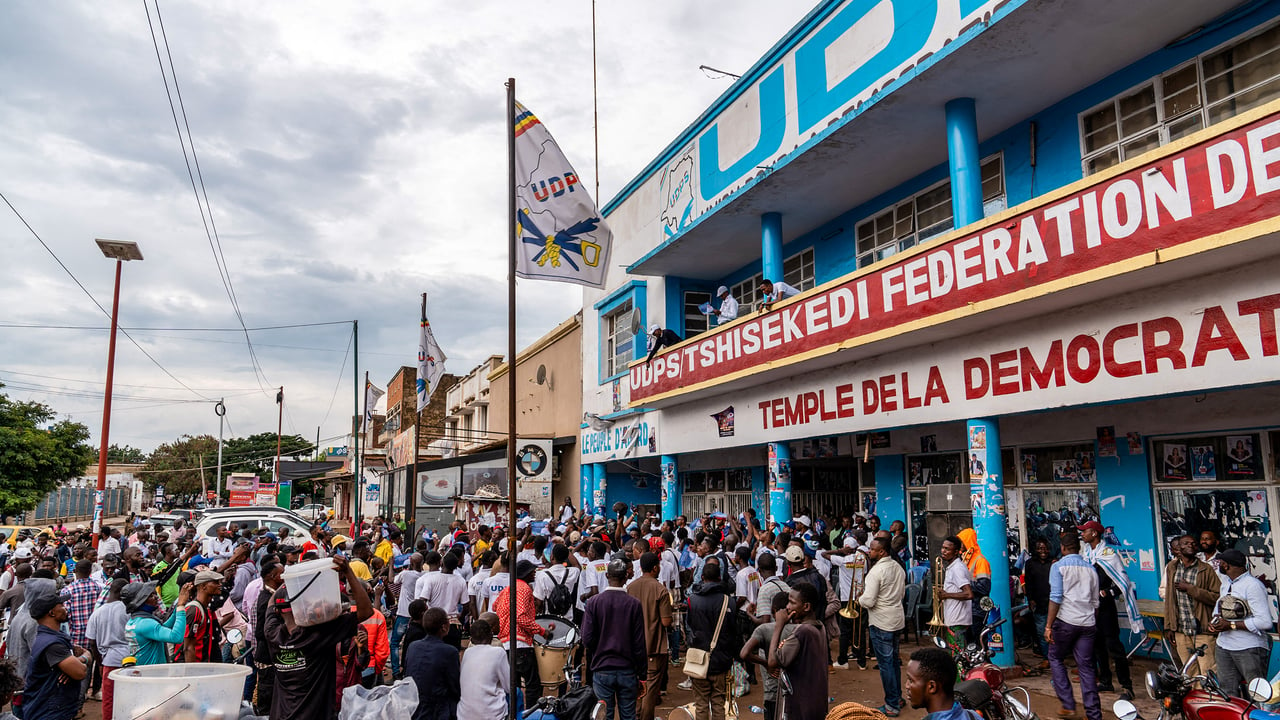
A weekly roundup from Jeune Afrique covers significant developments across Africa, including growing resentment in DRC's Haut-Katanga over perceived Kasaïen dominance in local governance, Cameroon's Minister of Territorial Administration leading a campaign against religious 'deviations,' and the positive impact of renewed Mali-Algeria relations on regional air travel.
Imagine two neighbors, Mali and Algeria, who weren't talking for a long time, so planes had to fly way around their houses. Now they're friends again, so planes can fly straight over, saving time and fuel, like taking a shortcut. But in other places, like a part of Congo called Haut-Katanga, people are upset because the president's friends are getting all the good jobs, even though someone else won more votes there. And in Cameroon, the government is closing down many churches it thinks are tricking people, saying they're doing bad things instead of helping.
Analysis
DRC's Haut-Katanga: A Brewing Political Storm
In the Democratic Republic of Congo's Haut-Katanga province, a palpable sense of anger is simmering against what many perceive as an encroaching central authority. Despite opposition candidate Moïse Katumbi securing a significant 66.41% of the vote in the 2023 presidential election, compared to President Félix Tshisekedi's 31.49%, key communes benefiting from mining royalties are now led by members of Tshisekedi's ruling Union for Democracy and Social Progress (UDPS) party. Critics highlight that these appointees often share the president's Kasaïen ethnic background, fueling accusations of political favoritism and exacerbating long-standing community tensions between the indigenous Katangais and the Kasaïen population, who have historically migrated to the region for economic opportunities in the copper and cobalt industries.
The historical context of Kasaïen migration to Katanga, driven by economic disparities, has intensified with recent waves of workers seeking livelihoods in Lubumbashi. This demographic shift has deepened the communal divide, creating a volatile social landscape. Beyond internal strife, Haut-Katanga faces external threats, with AFC/M23 rebels dangerously approaching Tanganyika province from South Kivu, reportedly with Katanga as their ultimate objective. Furthermore, General John Numbi, a figure close to former President Joseph Kabila, is rumored to be preparing a return to Katanga with armed forces, adding another layer of potential instability to an already fragile region.
Cameroon's Crackdown on "Awakening Churches"
Cameroon's Minister of Territorial Administration, Paul Atanga Nji, a devout Catholic, is spearheading a controversial campaign against what he terms religious "deviations." While a patron of the Roman Church, Atanga Nji asserts that freedom of worship must align with the demands of the Republic. His focus is primarily on the rapidly growing 'awakening churches,' which he accuses of psychological manipulation, engaging in fraudulent activities under the guise of healing promises, and even involvement in criminal enterprises. This interventionist stance has led to significant government action, with nearly 1,400 such churches already closed or in the process of being shut down across the country.
The government's actions extend beyond immediate closures, as it is reportedly preparing a more comprehensive structural reform aimed at regulating religious practices. These measures have not been without controversy, causing considerable turbulence within the highest echelons of the state and sparking debates about religious freedom versus state control. The crackdown reflects a broader concern within the Cameroonian government regarding the proliferation and practices of certain religious groups, aiming to bring them under stricter state oversight to prevent perceived abuses and maintain public order.
Mali-Algeria Thaw: A Boost for African Air Travel
After a protracted fifteen-month diplomatic estrangement, Mali and Algeria officially reconciled on July 10, marking a significant positive shift in regional relations. This rapprochement was immediately evident through the return of their respective ambassadors and, crucially for regional connectivity, the reopening of their airspaces to both civil and military flights. This diplomatic thaw has been met with considerable relief within the aviation sector, which had been forced to reroute flights, incurring additional time and fuel costs due to the previous restrictions.
Algiers promptly lifted its restrictions on Malian-registered aircraft, with Bamako reciprocating by allowing Algerian aircraft to traverse its skies. Since July 12, several major airlines have resumed overflying Mali and Algeria, significantly optimizing their routes. Notably, Air France has reinstated its direct Abidjan-Paris and Cotonou-Paris flights over the region, alongside Air Côte d'Ivoire and Brussels Airlines. This restoration of direct flight paths offers considerable time savings for connections, particularly those linking Europe with West Africa, thereby enhancing efficiency and potentially reducing operational costs for airlines operating in the region.
Key points
- Haut-Katanga in DRC faces growing anger over perceived Kasaïen dominance in local governance despite opposition electoral victories.
- Community tensions between Katangais and Kasaïens are exacerbated by migration and political appointments, alongside external threats from rebels and former military figures.
- Cameroon's Minister Paul Atanga Nji is leading a campaign against 'awakening churches,' accusing them of manipulation and fraud, leading to nearly 1,400 closures.
- Mali and Algeria have officially reconciled after 15 months, reopening their airspaces and allowing airlines like Air France and Brussels Airlines to resume direct routes.
- The reopening of Mali-Algeria airspace offers significant time and cost savings for flights connecting Europe and West Africa.
The reconciliation between Mali and Algeria promises improved regional cooperation and significant economic benefits for the aviation sector, leading to more efficient and potentially cheaper air travel between Europe and West Africa. In Cameroon, the government's efforts could lead to better regulation of religious institutions, protecting citizens from fraudulent practices and ensuring greater accountability.
In DRC's Haut-Katanga, the escalating community tensions and perceived political marginalization could lead to further instability and conflict, exacerbated by external rebel threats. In Cameroon, the crackdown on 'awakening churches' risks infringing on religious freedoms and could be perceived as an overreach of state power, potentially leading to social unrest or political backlash.
Market signals
- AF The reopening of Mali-Algeria airspace allows for shorter, more efficient flight paths, reducing operational costs and travel times for Air France routes between Europe and West Africa.
- LHA As Brussels Airlines is part of Lufthansa Group, the reopening of Mali-Algeria airspace benefits its operations by enabling more direct and cost-effective routes between Europe and West Africa.
AI-generated analysis of potential market relevance. Not financial advice.