Hawaii To Ban Cash Deposits at Crypto ATMs From October
Hawaii will ban cash deposits at crypto ATMs starting October 1, making it unlawful to exchange U.S. currency for digital assets at these kiosks.
Intelligence analysis by Gemini 2.5 Flash
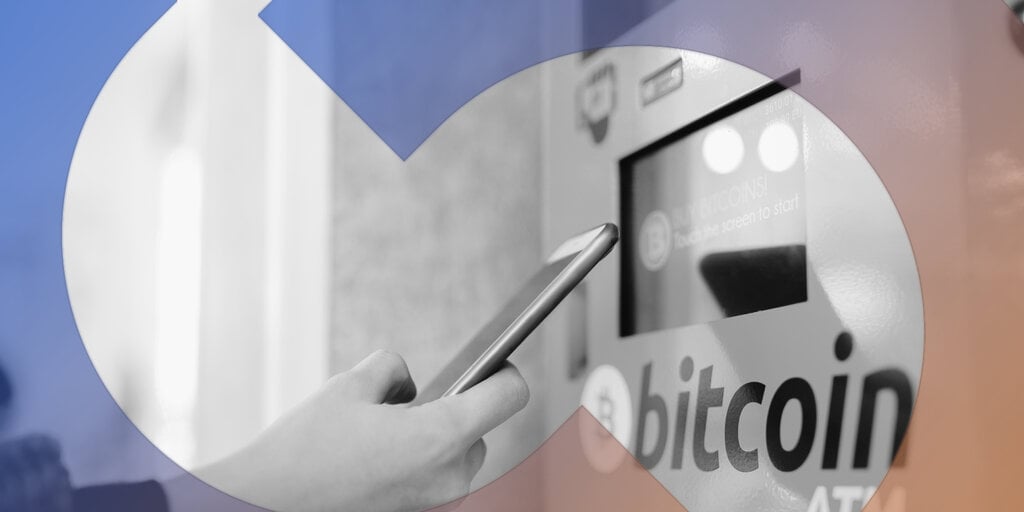
Under a new measure signed by Governor Josh Green, Hawaii is implementing a ban on cash-to-crypto transactions at ATM kiosks from October 1. This regulation aims to enhance consumer protection by preventing the use of these machines for scams, though crypto-to-cash withdrawals and digital asset swaps will still be permitted.
Imagine a special machine, like a fancy vending machine, where you can put in your paper money to get digital money, like Bitcoin. Hawaii is saying that starting in October, you can't put your paper money into these machines anymore to get digital money. This is because some bad guys were tricking people into using these machines for scams. You can still use them to turn your digital money back into paper money, or swap one type of digital money for another, but no more putting cash in.
Analysis
Hawaii's decision to prohibit cash deposits at crypto ATMs from October 1 represents a notable development in the evolving landscape of cryptocurrency regulation within the United States. The move, enacted through Act 224, specifically targets the conversion of physical currency into digital assets at these kiosks, citing consumer protection as the primary driver. This legislative action underscores a growing concern among state authorities regarding the potential for illicit activities and scams facilitated by the anonymity and ease of use offered by some crypto ATM services.
Act 224
Governor Josh Green signed Act 224 on July 9, officially amending the state's consumer protection statute. This new section explicitly makes it an unlawful practice for any operator to own, manage, or operate a kiosk in Hawaii that accepts U.S. currency in exchange for a digital financial asset. The legislation reflects a proactive stance by Hawaii to mitigate risks associated with crypto transactions, particularly those involving cash, which are often harder to trace and thus more susceptible to fraudulent schemes. The focus is clearly on the input side of the transaction, where individuals might be coerced or tricked into depositing cash.
October 1
The effective date of October 1 marks a critical juncture for crypto ATM operators and users in Hawaii. From this date forward, the functionality of these machines will be significantly curtailed, at least concerning cash-to-crypto conversions. However, the law does not impose a blanket ban on all crypto ATM operations. Kiosks will still be permitted to facilitate transactions where users exchange digital assets for cash, or swap one digital asset for another. This distinction suggests a targeted approach, aiming to curb specific vulnerabilities rather than outright banning all forms of crypto ATM usage, acknowledging some legitimate use cases.
Washington, DC and Iowa
The impetus for Hawaii's new law is strongly supported by findings from other jurisdictions. Investigations conducted by the attorneys general of Washington, DC, and Iowa revealed alarming statistics regarding the misuse of crypto ATMs. Their examinations found that over 93% of transactions at the kiosks they scrutinized were linked to scams. This high incidence of fraudulent activity provides a compelling justification for Hawaii's legislative intervention, highlighting a systemic problem that states are increasingly compelled to address. The data from these investigations likely served as a crucial evidentiary basis for Act 224, reinforcing the argument for stricter controls on cash-based crypto transactions.
Key points
- Hawaii will ban cash deposits at crypto ATMs starting October 1, 2020.
- The new law, Act 224, makes it unlawful to exchange U.S. currency for digital assets at these kiosks.
- Crypto ATMs can still facilitate crypto-to-cash withdrawals and digital asset swaps.
- The measure was enacted to protect consumers, following findings that over 93% of transactions at examined kiosks in Washington, DC, and Iowa were scams.
The ban could significantly reduce the accessibility of cryptocurrencies for individuals in Hawaii who rely on cash for transactions or lack traditional banking access, potentially driving some activities to less regulated, peer-to-peer channels. It may also hinder legitimate innovation and adoption of digital assets within the state, creating a more restrictive environment compared to other regions.