Healthcare Abroad: When Algerian Presidents Choose Moscow, Paris, Geneva, or Barcelona
Algerian President Abdelmadjid Tebboune has challenged the nation's healthcare system to improve, aiming to end the long-standing practice of Algerian leaders and citizens seeking medical treatment abroad. This announcement coincided with the inauguration of a new pediatr…
Intelligence analysis by Gemini 2.5 Flash
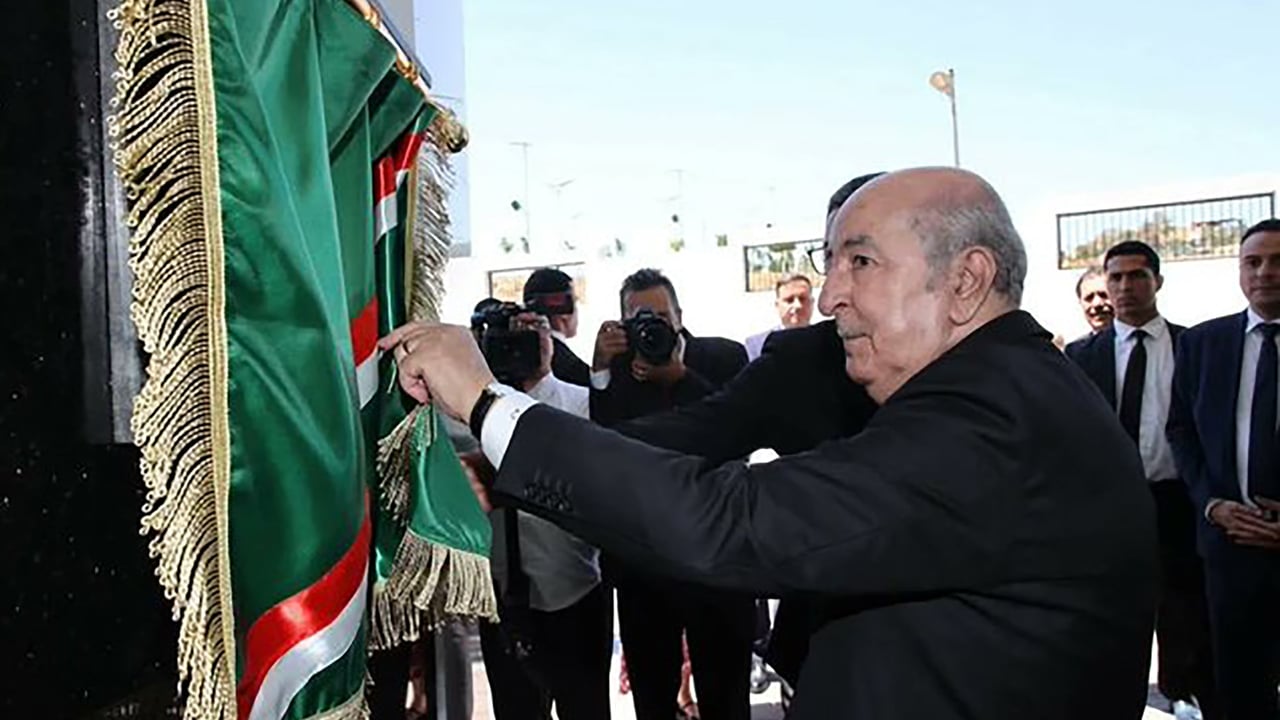
Despite decades of Algerian heads of state preferring European hospitals for their medical needs, President Abdelmadjid Tebboune is pushing for a radical shift. He declared on Independence Day that no Algerian should have to travel abroad for healthcare, emphasizing the need to bolster domestic medical services, marked by the opening of a new specialized hospital.
Imagine if the grown-ups in charge of a country always went to other countries when they got sick, even though they have doctors at home. The new leader of Algeria wants to change that! He just opened a new hospital for kids' hearts and told all the doctors to work super hard so that everyone, even the leaders, can get the best care right there in Algeria, like building a super-strong fort so no one needs to leave for safety.
Analysis
A Call for National Healthcare Self-Sufficiency
Algerian President Abdelmadjid Tebboune has issued a significant challenge to the nation's healthcare sector, declaring his ambition to end the long-standing practice of Algerians, including high-ranking officials, seeking medical treatment abroad. This bold pronouncement was made on Independence Day, underscoring its importance as a matter of national pride and sovereignty. The president's vision is to cultivate a domestic healthcare system so robust and advanced that it negates the need for any citizen to travel overseas for medical care, thereby retaining expertise and resources within Algeria.
This policy shift is not merely a rhetorical flourish; it was accompanied by a tangible step towards its realization. The article notes the inauguration of an 80-bed pediatric cardiology hospital in Mahelma, located southwest of Algiers, on Independence Day, July 5, 2026. This new facility symbolizes the government's commitment to investing in specialized medical infrastructure and improving the quality of care available domestically, particularly for critical areas like pediatric cardiology. The opening serves as a concrete example of the efforts being made to back the president's ambitious declaration.
Addressing a Historical Precedent
For decades, a stark reality has persisted in Algeria: its heads of state and other prominent figures have frequently opted for medical treatment in European cities such as Moscow, Paris, Geneva, or Barcelona, rather than relying on their own country's hospitals. This historical preference has often been seen as an implicit acknowledgment of perceived deficiencies within the national healthcare system, potentially eroding public trust and highlighting a disparity between the care available to the elite and that accessible to the general populace. President Tebboune's current stance directly confronts this entrenched practice.
By publicly challenging this precedent, Tebboune aims to restore faith in Algeria's medical capabilities and foster a sense of national self-reliance. His directive to medical staff to intensify their efforts is a clear signal that the government expects a significant uplift in service quality, technological adoption, and professional expertise across the board. This move could be interpreted as an attempt to bridge the gap between the aspirations of the state and the lived experiences of its citizens regarding healthcare access and quality.
The Path to Domestic Medical Excellence
Achieving the president's goal of healthcare self-sufficiency will require substantial and sustained investment in various facets of the medical sector. This includes not only the construction of new, state-of-the-art facilities like the pediatric cardiology hospital but also a comprehensive overhaul of existing infrastructure. Furthermore, a critical component will be the training and retention of highly skilled medical professionals, from doctors and surgeons to nurses and specialized technicians. Attracting and keeping top talent within Algeria will be crucial to elevating the standard of care to international levels.
The success of this initiative hinges on more than just infrastructure and personnel; it also demands robust governance, efficient resource allocation, and a commitment to transparency within the healthcare system. Overcoming the historical reliance on foreign medical services will necessitate a cultural shift, both among the political elite and the general public, to trust and champion domestic institutions. If successfully implemented, this ambitious plan could transform Algeria's healthcare landscape, making it a model of national medical independence and excellence within the African continent.
Key points
- President Tebboune aims to end Algerians, including leaders, seeking medical care abroad.
- This policy shift was announced during the inauguration of a new pediatric cardiology hospital.
- Historically, Algerian heads of state have preferred European hospitals for treatment.
- The initiative challenges domestic medical staff to elevate the quality of care.
- The goal is to achieve national self-sufficiency in healthcare.
If successful, President Tebboune's initiative could lead to a significant upgrade in Algeria's healthcare system, fostering national self-reliance, improving public health outcomes, and boosting citizen confidence in domestic medical institutions. This could also free up state funds previously spent on overseas treatments for further investment within the country.
The ambitious goal of ending medical tourism for Algerians faces substantial challenges, including the need for massive investment, training, and retention of highly skilled medical professionals. Without sustained political will and effective implementation, the initiative risks falling short, potentially leading to continued reliance on foreign healthcare and public disillusionment.