Heart Aerospace Completes Successful Test Flight of X1 Electric Aircraft
Heart Aerospace has successfully conducted a test flight of its X1 electric aircraft, flying for 27 minutes on battery power. The flight cost approximately $5 in electricity.
Intelligence analysis by Gemini 2.5 Flash Lite
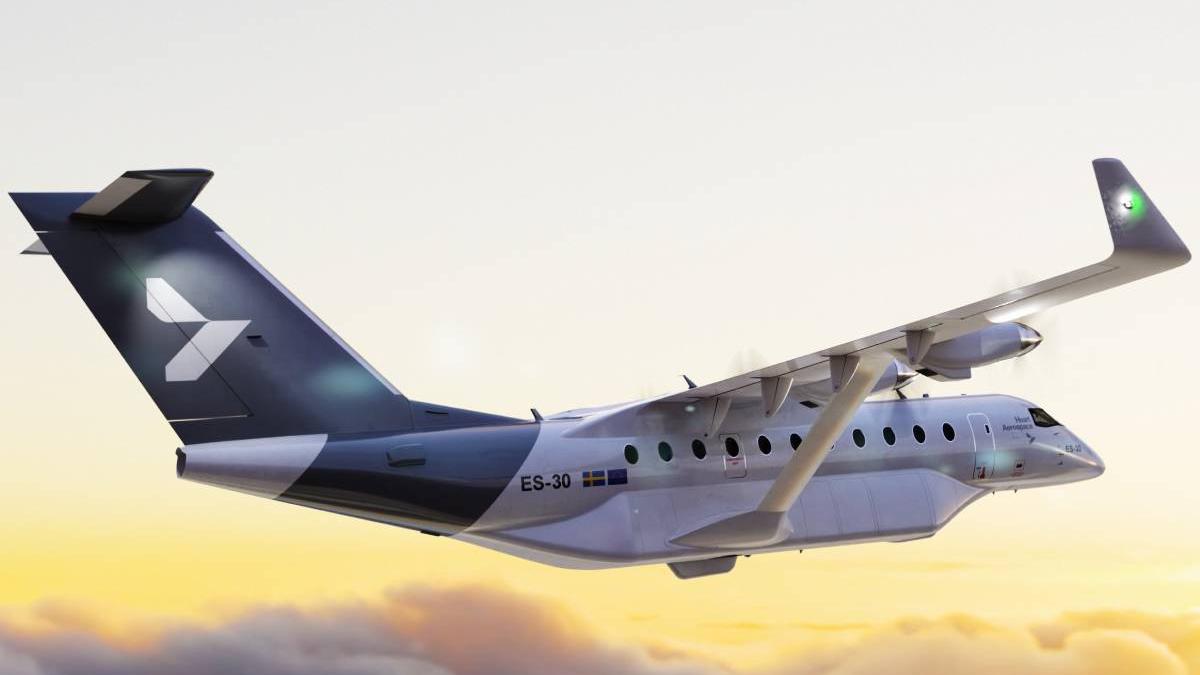
A US aviation company, Heart Aerospace, has successfully tested its X1 electric aircraft, which flew for 27 minutes using only battery power, costing about $5. This marks a significant step towards potentially revolutionizing air travel with lower operating costs.
Imagine a new type of airplane that runs on electricity, like a big toy car! It just flew for almost half an hour using only battery power, and it only cost about $5 for the electricity. This is a big step towards making planes cheaper to fly and better for the air we breathe.
Analysis
Heart Aerospace X1
The Heart Aerospace X1 electric aircraft recently completed a successful 27-minute test flight, demonstrating the viability of battery-powered aviation. During this flight, the aircraft reached an altitude of approximately 1,100 feet (335 meters). Notably, the flight was conducted with only a pilot on board, and the energy consumed for the entire duration was estimated to be around $5 worth of electricity. This experimental flight is crucial as it serves as a testing platform for the company's future ambitions, particularly for their larger, 30-seat hybrid-electric aircraft, the ES-30.
The X1 itself is a substantial aircraft, boasting a wingspan of 106 feet and a length of 76 feet, indicating that this is not merely a small-scale prototype but a significant step towards commercial electric aviation. The company's focus on electric and hybrid-electric technology is driven by the potential to drastically reduce operational costs in the aviation sector. While the $5 cost for 27 minutes of flight is based solely on electricity consumption, it highlights a core advantage of electric propulsion.
ES-30
The company's flagship project, the ES-30, is a 30-seat hybrid-electric aircraft slated for service entry by 2031. Heart Aerospace anticipates that the ES-30 will achieve operating costs more than 40% lower than conventional passenger aircraft. This significant cost reduction is attributed to several factors, including lower energy expenses, reduced maintenance requirements, and enhanced aircraft reliability. The potential for such cost savings has already attracted interest from major airlines like United, Air Canada, and JSX, signaling a strong market appetite for this emerging technology.
The development of the ES-30 represents a strategic move towards decarbonizing regional air travel. By combining electric propulsion with a hybrid system, the aircraft aims to offer a balance of range, capacity, and environmental performance. The success of the X1 test flight provides critical data and validation for the technologies intended for the ES-30, bringing the company closer to its ambitious service entry timeline.
Future of Air Travel
While the prospect of flying for as little as 500 Indian Rupees (approximately $5) for half an hour might seem appealing, it's important to temper expectations regarding immediate fare reductions. The $5 cost only accounts for electricity, excluding numerous other significant expenses such as pilot salaries, maintenance, airport fees, insurance, financing, and battery wear and tear. Therefore, a sudden drop in airfare to such levels is unlikely in the short term.
However, the underlying principle of reduced operating costs for electric aircraft remains a significant advantage. Anders Forslund, founder and CEO of Heart Aerospace, believes that electric commercial aircraft have the potential to fundamentally alter aviation economics and ultimately lower air travel costs. The initial impact of this technology is expected to be most visible on regional routes, where smaller aircraft with lower energy consumption and maintenance needs can offer more competitive pricing. This could make air travel more accessible for shorter, domestic journeys, gradually transforming the landscape of regional connectivity.
Key points
- Heart Aerospace's X1 electric aircraft completed a 27-minute test flight using only battery power.
- The test flight cost approximately $5 in electricity and reached an altitude of 1,100 feet.
- The X1 serves as a testbed for the ES-30, a 30-seat hybrid-electric aircraft planned for 2031.
- Heart Aerospace expects the ES-30 to reduce operating costs by over 40% compared to conventional aircraft.
- Airlines like United, Air Canada, and JSX have shown interest in the ES-30.
The successful test flight of the X1 electric aircraft by Heart Aerospace could herald a new era of more affordable and environmentally friendly air travel. If the ES-30 aircraft meets its projected cost reductions, it could significantly lower regional airfares and increase accessibility to air travel for more people.
Despite the promising test flight, the path to widespread adoption of electric aircraft faces significant hurdles. The $5 electricity cost for the test flight excludes many operational expenses, and achieving substantial fare reductions will depend on overcoming challenges related to battery technology, infrastructure, and regulatory approvals.