Here are the possible outcomes for Clarity right now
The U.S. Senate has not yet indicated whether it will work on the Digital Asset Market Clarity Act, with just two days left in session. The fate of the Clarity Act is up to a number of factors, both tied to the bill itself and as part of the Senate's broader work.
Intelligence analysis by Llama
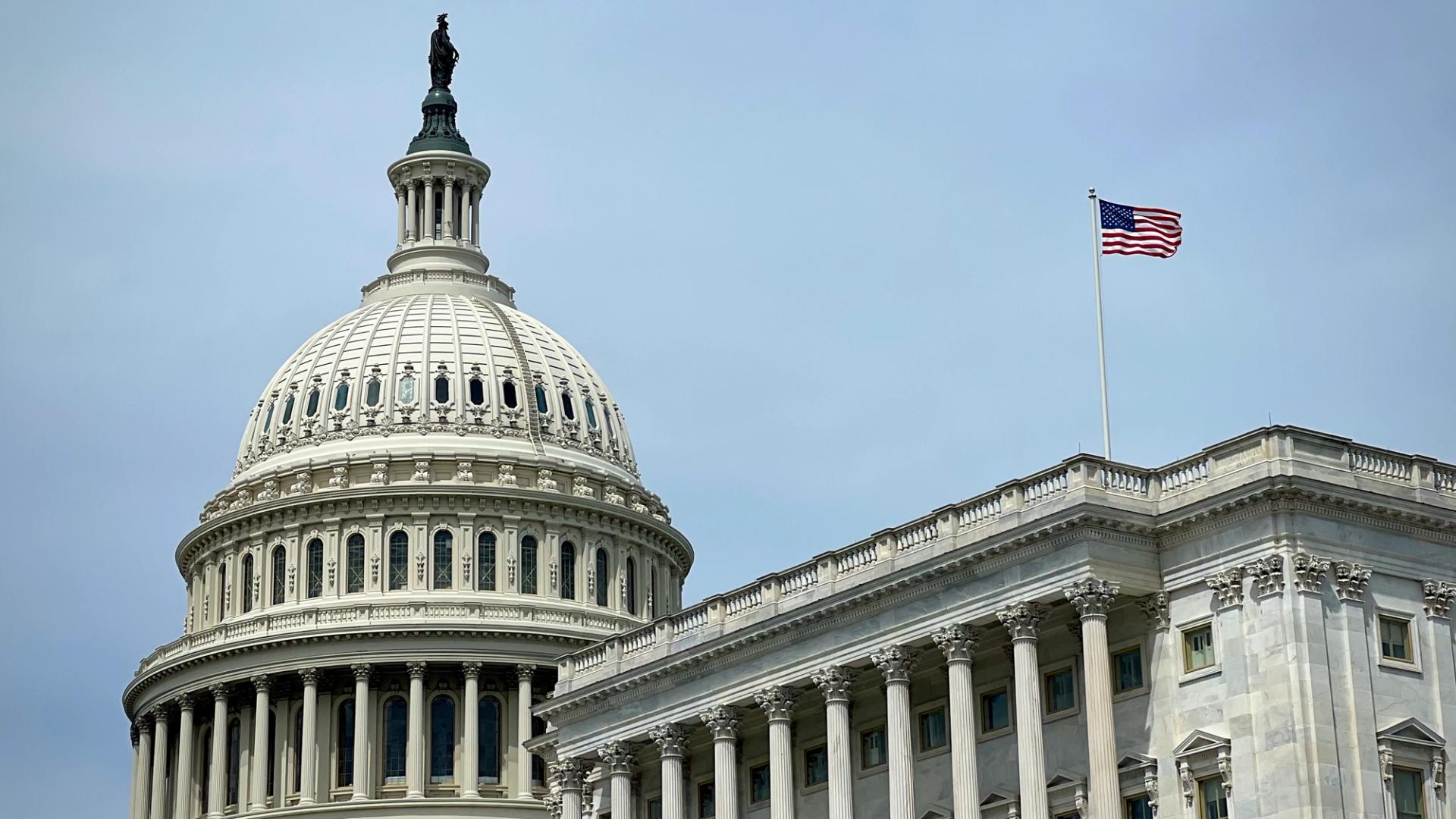
The Senate's decision on the Clarity Act is uncertain, with several factors influencing its fate, including outstanding issues and the Senate's broader work.
Imagine you're playing a game where you have to make a decision before the time runs out. That's what's happening with the Clarity Act in the U.S. Senate. They have to decide whether to work on the bill before they go on summer break. If they don't, it might be too late to pass the bill this year.
Analysis
The Clock is Ticking Down to the Senate's Summer Recess
The U.S. Senate has not yet indicated whether it will work on the Digital Asset Market Clarity Act, with just two days left in session. The fate of the Clarity Act is up to a number of factors, both tied to the bill itself and as part of the Senate's broader work. Some details of the Clarity Act itself are still being negotiated. Provisions addressing illicit finance and agriculture issues are still under discussion, a legislative staffer told CoinDesk on Wednesday, not to mention the ethics provision aiming to block senior government officials like President Donald Trump from profiting off of the crypto industry.
The White House Weighs In
The White House is still pondering a proposal on ethics language from Senators Thom Tillis and Ruben Gallego, which the senators sent to the White House last week. If the White House accepts the proposal, or has feedback on it, that could move the needle for Democrats on the vote. Tillis told reporters on Wednesday that the White House had begun to engage with the proposal, Punchbowl News' Brendan Pedersen reported.
The Senate's Priorities
Outside of the Clarity Act, the Senate is currently grappling with the nomination of Todd Blanche to become the next Attorney General, a continuing resolution to fund the federal government, a Russia sanctions bill and possibly a college sports bill. The Senate will also have to deal with funding the government and other issues at that time, and there are just 14 working days when the Senate is in session in September and October. This means it would likely be difficult to get the Clarity Act through, short of Senators agreeing to push it through.
Key points
- The U.S. Senate has not yet indicated whether it will work on the Digital Asset Market Clarity Act.
- The fate of the Clarity Act is up to a number of factors, both tied to the bill itself and as part of the Senate's broader work.
- The White House is still pondering a proposal on ethics language from Senators Thom Tillis and Ruben Gallego.
- The Senate is currently grappling with the nomination of Todd Blanche to become the next Attorney General and other priorities.
If the Senate can work through their priorities and pass the Clarity Act, it could be a major win for the crypto industry. The bill aims to provide clarity on how the industry operates, which could help to reduce uncertainty and increase confidence in the market.
If the Senate fails to pass the Clarity Act, it could be a major setback for the crypto industry. The bill's delay could lead to further uncertainty and increased regulatory risk, which could negatively impact the market.