Hikers lost in Kosciuszko national park rescued within five hours by AI drone
Two hikers were rescued in Kosciuszko national park using an AI-powered drone. The drone used thermal imaging and a mobile phone's red light to locate the hikers.
Intelligence analysis by Llama 3.3 70B
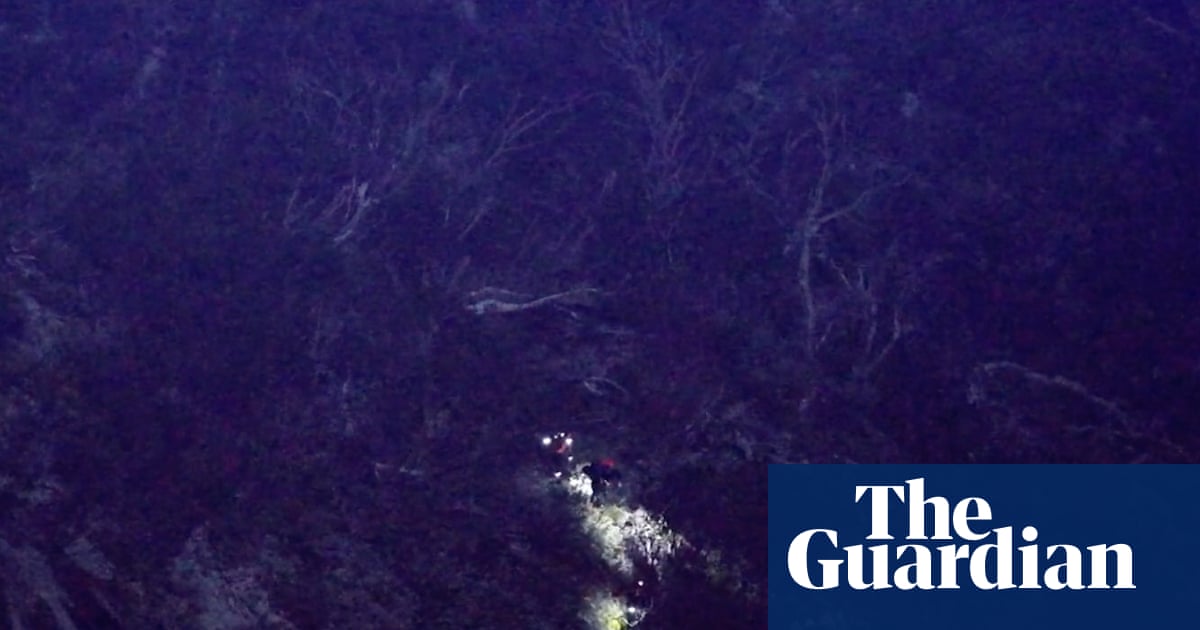
The rescue operation was completed within five hours, with the drone's AI detection system playing a crucial role in locating the missing hikers.
Imagine you're lost in a big park and can't find your way back. A special drone with a brain like a computer can fly around and find you using a special camera that can see heat. It can even talk to you and shine a light to show rescuers where you are.
Analysis
AI-Powered Rescue Operations
The use of AI-powered drones in search and rescue operations is a significant development in the field of emergency response. The recent rescue of two hikers in Kosciuszko national park is a prime example of the potential of this technology. The drone's AI detection system was able to quickly locate the missing hikers, reducing the search time and risk for rescuers.
The AI-powered drone used thermal imaging to locate the hikers, who were walking off the track in a remote area of the park. The drone's built-in speaker was also used to contact the hikers, and its spotlight was used to direct rescuers on the ground to the hikers' location.
Reducing Search Times and Risks
The successful rescue operation highlights the potential of AI technology to reduce search times and risks for rescuers. According to Fire and Rescue Inspector Phillip Eberle, the drone's AI detection system potentially reduced the search time by several days. This is significant, as it means that rescuers can respond more quickly to emergencies, reducing the risk of injury or death for those in need of help.
Future Developments
The use of AI-powered drones in search and rescue operations is likely to become more widespread in the future. Fire and Rescue Commander John Marzol hopes that the technology will progress to the point where drones can drop off emergency supplies and care packages to stranded people while they wait for rescuers. This would further reduce the risk for rescuers and improve outcomes for those in need of help.
Conclusion
The successful rescue of two hikers in Kosciuszko national park using an AI-powered drone is a significant development in the field of emergency response. The use of AI technology has the potential to reduce search times and risks for rescuers, and its application in search and rescue operations is likely to become more widespread in the future.
Key points
- AI-powered drone used in search and rescue operation
- Drone used thermal imaging and mobile phone's red light to locate hikers
- Rescue operation completed within five hours
The use of AI-powered drones in search and rescue operations has the potential to save lives and reduce risks for rescuers. As the technology continues to develop, we can expect to see more successful rescues like the one in Kosciuszko national park.
While the use of AI-powered drones in search and rescue operations is promising, there are also potential risks and challenges to consider. For example, the technology may not always be effective in certain environments or weather conditions, and there may be concerns about privacy and safety.