Home province of DeepSeek, Moonshot founders seeks to retain, attract future AI talent
Guangdong province in China is trying to attract and retain top artificial intelligence talent after losing two of its brightest minds to rivals in Beijing.
Intelligence analysis by Llama
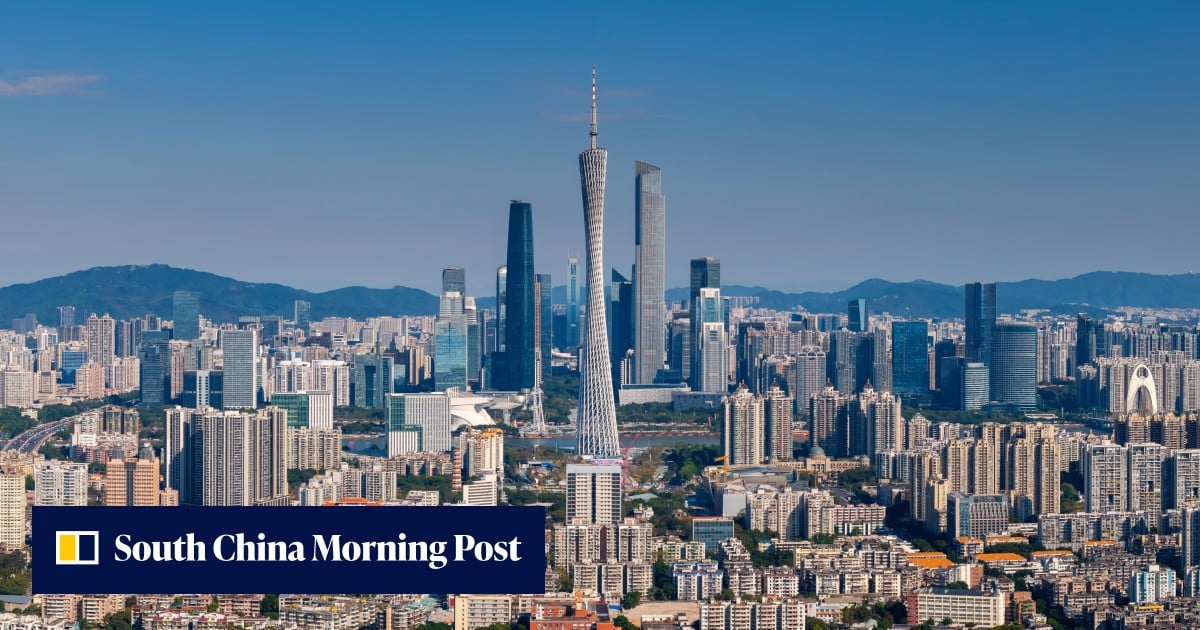
Guangdong province is trying to bridge the gap in China's artificial intelligence race by attracting top-tier talent from Beijing. The province welcomed nearly 40 computer science students from Tsinghua University as part of a targeted push to retain and attract talent.
Imagine you're trying to build a really cool robot, but you can't find the right brain for it. That's what's happening in Guangdong province in China. They want to attract and keep the best brainpower to help them build their own cool robots and stay competitive in the world.
Analysis
Background
Guangdong province in China has been facing a challenge in retaining and attracting top artificial intelligence (AI) talent. Despite being a manufacturing powerhouse, the province has struggled to compete with Beijing, which has become a hub for AI innovation and development. According to the Hurun Research Institute, Beijing leads the country with 19 of China's top 50 AI companies, followed by Shanghai with 14. Guangzhou and Shenzhen, the two biggest cities in Guangdong, hold 10 combined.
The Challenge
Industry experts attribute the disparity in AI talent to the concentration of academic talent in Beijing. Many top universities, including Tsinghua University, are located in Beijing, making it an attractive destination for students and researchers. Additionally, the city's vibrant startup ecosystem and access to funding have made it an ideal location for AI companies to set up shop. In contrast, Guangdong province has struggled to replicate this success, with many of its top AI talent leaving to pursue opportunities in Beijing.
The Solution
To address this challenge, Guangdong province has launched a targeted initiative to attract and retain top AI talent. The province welcomed nearly 40 computer science students from Tsinghua University as part of a push to bridge the gap in China's AI race. The students will be working on various AI-related projects, including natural language processing and computer vision. This move is seen as a step in the right direction, but experts caution that it will take time and effort to build a robust AI ecosystem in Guangdong province.
Implications
The implications of Guangdong's efforts to attract and retain AI talent are significant. If successful, the province could become a major player in China's AI development, creating new opportunities for innovation and growth. However, if the province fails to retain its top talent, it could continue to lag behind Beijing and Shanghai, further exacerbating the gap in China's AI race.
Key points
- Guangdong province is trying to attract and retain top AI talent to bridge the gap in China's AI race.
- The province welcomed nearly 40 computer science students from Tsinghua University as part of a targeted push to retain and attract talent.
- Industry experts attribute the disparity in AI talent to the concentration of academic talent in Beijing.
- Guangdong province has launched a targeted initiative to attract and retain top AI talent, including welcoming students from Tsinghua University.
If Guangdong province is successful in attracting and retaining top AI talent, it could become a major player in China's AI development, creating new opportunities for innovation and growth.
If Guangdong province fails to retain its top talent, it could continue to lag behind Beijing and Shanghai, further exacerbating the gap in China's AI race.


