Hong Kong 5-year plan should have Northern Metropolis tax breaks, listing reforms: HKICPA
The Hong Kong Institute of Certified Public Accountants (HKICPA) has urged the government to introduce tax incentives for the Northern Metropolis and improve the stock exchange's listing regime.
Intelligence analysis by Gemini 2.5 Flash
The HKICPA submitted proposals for Hong Kong's inaugural five-year plan, advocating for tax breaks to attract investment into start-ups within the Northern Metropolis and lower tax rates for its workers. Additionally, the body called for reforms to the city's listing rules to bolster its position as an international financial hub, aligning with mainland China's 2026-2030 development b…
Imagine Hong Kong is making a big plan for the next five years, like a school project. A group of accountants, the HKICPA, is telling the government to give special money-saving deals (tax breaks) to people who build new businesses in a big new area called the Northern Metropolis, which is like a new town for smart ideas. They also want to make it easier for big companies to list their shares on the Hong Kong stock market, so more businesses come to the city and make it a super important place for money all over the world.
Analysis
The Hong Kong Institute of Certified Public Accountants (HKICPA) has put forward a series of recommendations to the government, intended to shape the city's first five-year plan. These proposals are designed to enhance Hong Kong's economic competitiveness and reinforce its role as a leading international financial center, particularly in the context of broader national development goals. The suggestions focus on two primary areas: fostering growth in the Northern Metropolis and refining the stock exchange's listing framework.
Northern Metropolis
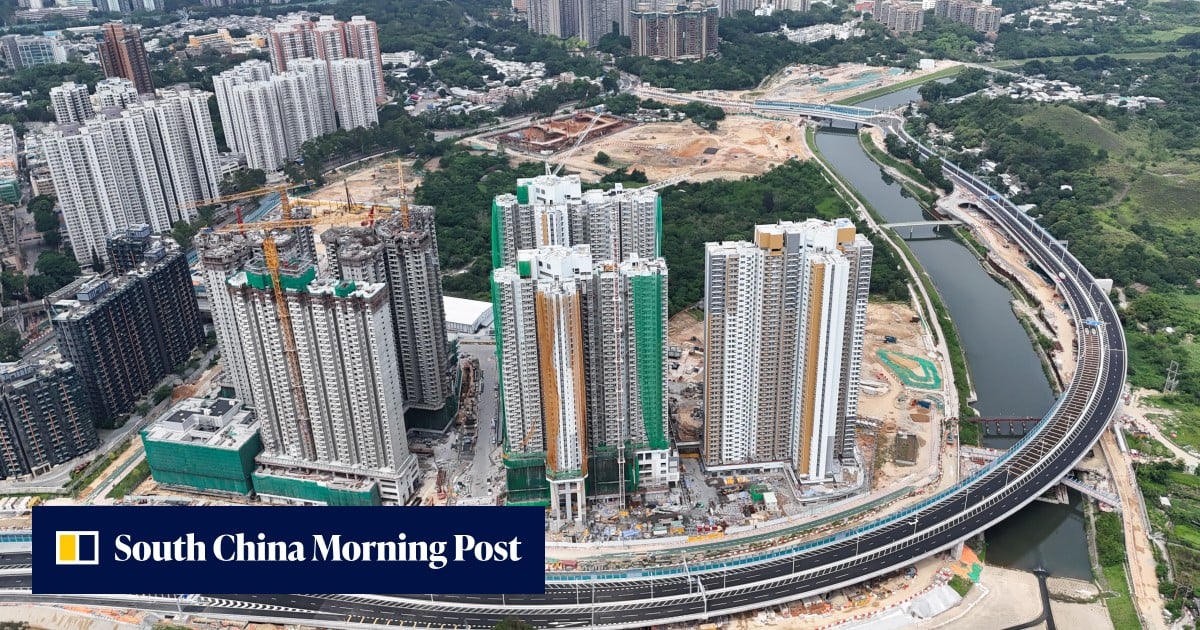
The HKICPA's submission specifically highlights the Northern Metropolis project as a key area for government support. This ambitious initiative aims to transform 30,000 hectares of land adjacent to mainland China into a vibrant technological and economic hub. To achieve this, the HKICPA proposes targeted tax incentives for investors who commit capital to start-ups located within this new development zone. The rationale behind this is to mitigate the significant financial risks associated with early-stage ventures, allowing investors to offset losses from these investments against other profits, thereby encouraging long-term commitment.
Beyond attracting investment, the HKICPA also suggests offering reduced tax rates for individuals who choose to work in the Northern Metropolis. This measure is intended to draw a skilled workforce to the area, ensuring that the new hub has the human capital necessary for its technological and economic aspirations. By making the region more financially attractive for both businesses and employees, Hong Kong hopes to accelerate the development of this strategic area and integrate it more closely with the Greater Bay Area.
Listing Regime
In parallel with the Northern Metropolis initiatives, the HKICPA has also called for significant improvements to the Hong Kong stock exchange's listing regime. The goal is to make the city's capital markets more appealing to a wider range of companies, thereby strengthening Hong Kong's standing as an international financial hub. While the article does not detail specific reforms, the general thrust is towards modernizing and streamlining the listing process to attract more diverse and innovative enterprises.
Enhancing the listing regime is critical for Hong Kong to maintain its competitive edge against other global financial centers. By adapting its rules and regulations, the city can ensure it remains a preferred destination for companies seeking to raise capital, particularly those with a strong growth trajectory or unique business models. This strategic move is essential for the continuous evolution of Hong Kong's financial services sector and its ability to attract global investment flows.
Five-year plan
The context for these proposals is Hong Kong's upcoming first-ever five-year plan, which is slated for unveiling in September. This plan is significant as it will align Hong Kong's development priorities with mainland China's overarching 2026-2030 national development blueprint. The HKICPA's recommendations are therefore not just about local economic growth but also about ensuring Hong Kong's strategic integration into the broader national economic framework.
This alignment underscores a concerted effort to leverage Hong Kong's unique position and strengths in finance and professional services to contribute to national goals, while simultaneously securing its own long-term prosperity. The five-year plan represents a structured approach to economic development, providing a clear roadmap for policy implementation and resource allocation over the medium term. The HKICPA's input aims to ensure that this roadmap includes robust measures for innovation, investment, and financial market enhancement.
Key points
- HKICPA urges tax incentives for investors funding start-ups in the Northern Metropolis.
- Proposals include lower tax rates for individuals working in the Northern Metropolis.
- The accounting body also recommends reforms to Hong Kong's stock exchange listing regime.
- These suggestions are part of HKICPA's submission for Hong Kong's first five-year plan.
- The five-year plan aims to align Hong Kong's development with mainland China's 2026-2030 blueprint.
If implemented, these proposals could significantly boost Hong Kong's economy by attracting substantial investment into the Northern Metropolis, fostering innovation, and creating new job opportunities. Improved listing reforms could also enhance the city's appeal to global companies, solidifying its status as a premier international financial hub.
The success of these initiatives hinges on effective implementation and strong investor confidence, which could be challenging if global economic conditions worsen or if the proposed incentives are not sufficiently attractive. Delays or insufficient uptake in the Northern Metropolis could lead to underutilization of resources and slower economic diversification.